Recognizing the Telltale Signs of a Leaky Heart Valve
Your heart has four valves that act like one-way gates, ensuring blood flows in the correct direction through its chambers. When one of these valves doesn't close tightly, blood can leak backward, a condition known as heart valve regurgitation. Understanding the potential signs of this condition is the first step toward seeking appropriate medical evaluation and care.
What is a Leaky Heart Valve?
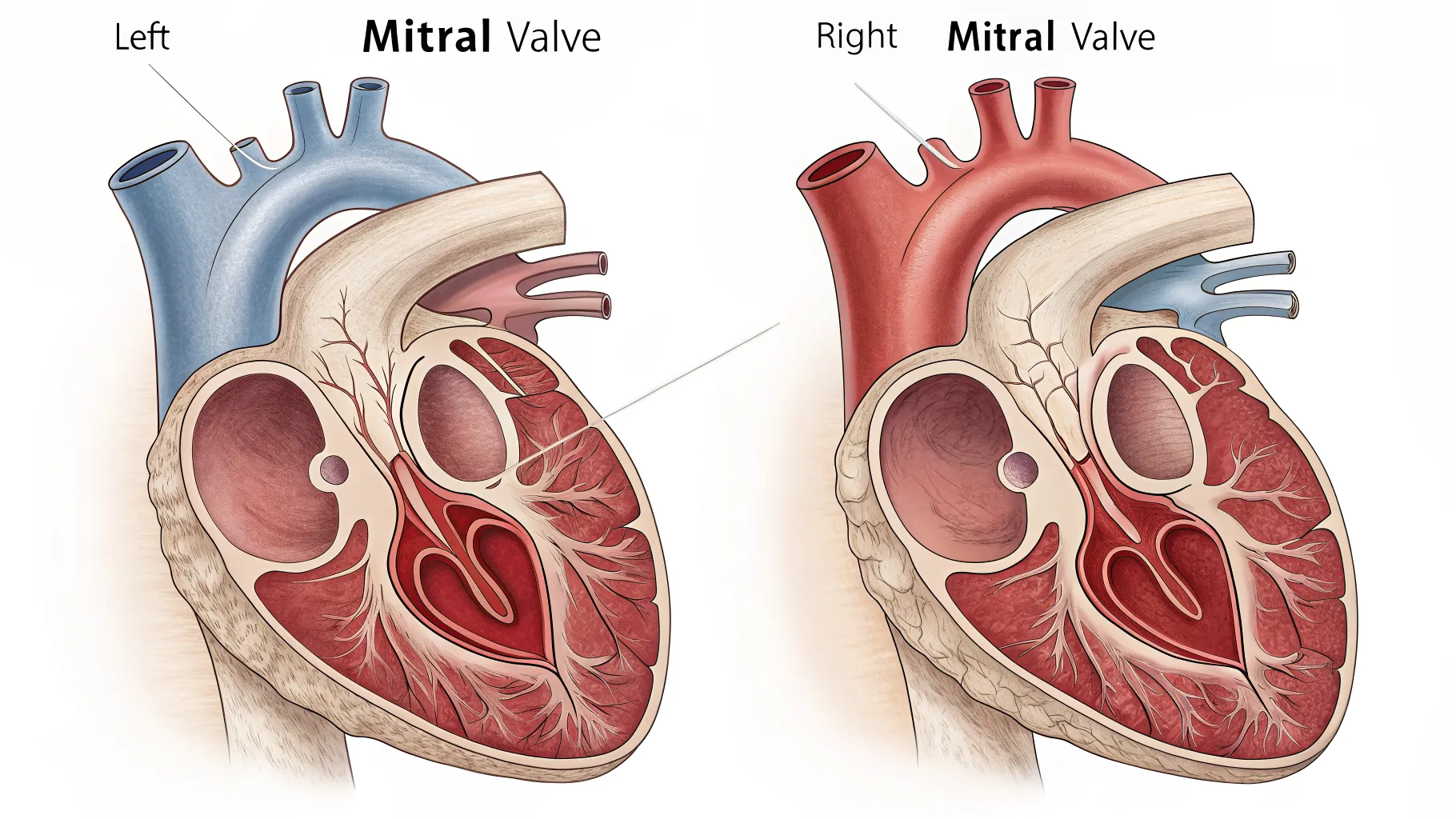
The human heart is a powerful pump with four distinct chambers and four valves: the mitral, tricuspid, aortic, and pulmonary valves. Their job is to open and close with each heartbeat, directing blood flow efficiently through the heart and out to the rest of the body. A leaky valve fails to form a complete seal when it closes. This allows a certain amount of blood to flow back in the wrong direction, forcing the heart to work harder to circulate the same amount of blood.
This condition can develop gradually over many years or appear suddenly. Causes vary widely and can include age-related changes to the valve tissue, congenital defects present from birth, infections that affect the heart such as rheumatic fever, or damage resulting from other cardiovascular conditions. Over time, the extra strain on the heart can lead to more significant health issues if left unaddressed.
Common Symptoms of Heart Valve Regurgitation
When a heart valve first begins to leak, you may not notice any symptoms. The body is often able to compensate for mild regurgitation for a long time. However, as the condition progresses and the heart has to work harder, a range of symptoms can emerge. It's important to pay attention to these signs, as they indicate the heart is under increasing strain.
Some of the most frequently reported symptoms include:
- Shortness of breath, particularly during physical activity or when you are lying down flat.
- Fatigue and a noticeable decrease in your energy levels or ability to exercise.
- Heart palpitations, which can feel like a rapid, fluttering, or pounding heartbeat.
- Swelling in the ankles, feet, or abdomen, known as edema.
- Lightheadedness, dizziness, or fainting spells.
- A persistent cough, especially when lying down at night.
Early Warning Signs and Red Flags
Beyond the more common symptoms, there are subtle warnings that could point to a developing issue with a heart valve. These early signs are often easy to dismiss as part of getting older or being out of shape. For example, you might find yourself needing to prop your head up with extra pillows at night to breathe comfortably, or you might develop a dry cough that doesn't seem to have another cause. These can be related to fluid building up in the lungs due to the heart's inefficiency.
Certain symptoms should be considered red flags that require more urgent medical attention. If you experience sudden, severe shortness of breath that doesn't resolve with rest, chest pain or tightness, or fainting, it is important to seek an immediate medical evaluation. These can be signs that the heart is struggling significantly and needs prompt assessment.
Understanding Heart Murmurs
Often, the first indication of a leaky heart valve is discovered during a routine physical examination when a healthcare provider listens to the heart with a stethoscope. A leaky valve can create a distinctive whooshing sound as blood flows backward, which is known as a heart murmur. This sound is a key diagnostic clue that prompts further investigation.
It is crucial to understand that not all heart murmurs signify a problem. Many people, especially children, have 'innocent' heart murmurs, which are harmless sounds made by blood flowing normally through the heart. A doctor can typically distinguish between an innocent murmur and one that suggests an underlying valve issue based on its timing, loudness, and location. If a murmur is deemed suspicious, diagnostic tests will be recommended to get a clear picture of the heart's structure and function.
How a Leaky Heart Valve is Diagnosed
If a leaky heart valve is suspected, several diagnostic tests can confirm the diagnosis and determine its severity. The primary tool used is an echocardiogram. This is an ultrasound test that uses sound waves to create detailed, moving images of your heart. It allows doctors to see the heart's chambers and valves in action, measure the amount of blood leaking backward, and assess the overall function of the heart muscle.
Other cardiac screening options may also be employed. An electrocardiogram (ECG) records the heart's electrical activity and can detect enlarged heart chambers or abnormal rhythms. A chest X-ray can show if the heart is enlarged or if there is fluid buildup in the lungs. In some cases, a cardiac MRI may be used to get even more detailed images of the heart valves and measure the severity of the leak with high precision.
Managing and Monitoring the Condition
The approach to managing a leaky heart valve depends entirely on the specific valve affected, the severity of the leak, and the presence of symptoms. For individuals with mild regurgitation and no symptoms, the typical course of action is regular monitoring. This involves periodic checkups and echocardiograms to track any changes in the valve or heart function over time.
For those with moderate to severe regurgitation or who are experiencing symptoms, management may involve lifestyle changes, such as a low-sodium diet and regular physical activity as advised by a doctor. Medications may be prescribed to manage symptoms like swelling or high blood pressure, reducing the strain on the heart. In more advanced cases, a procedure to repair or replace the faulty valve may be necessary to restore normal heart function and prevent long-term damage.