Recognizing the Symptoms of Mitral Valve Regurgitation
The heart is a complex organ with four valves that work tirelessly to keep blood flowing in the right direction. When one of these valves, the mitral valve, fails to close properly, it can lead to a condition known as mitral valve regurgitation. Understanding the signs and symptoms of this condition is the first step toward managing it effectively.
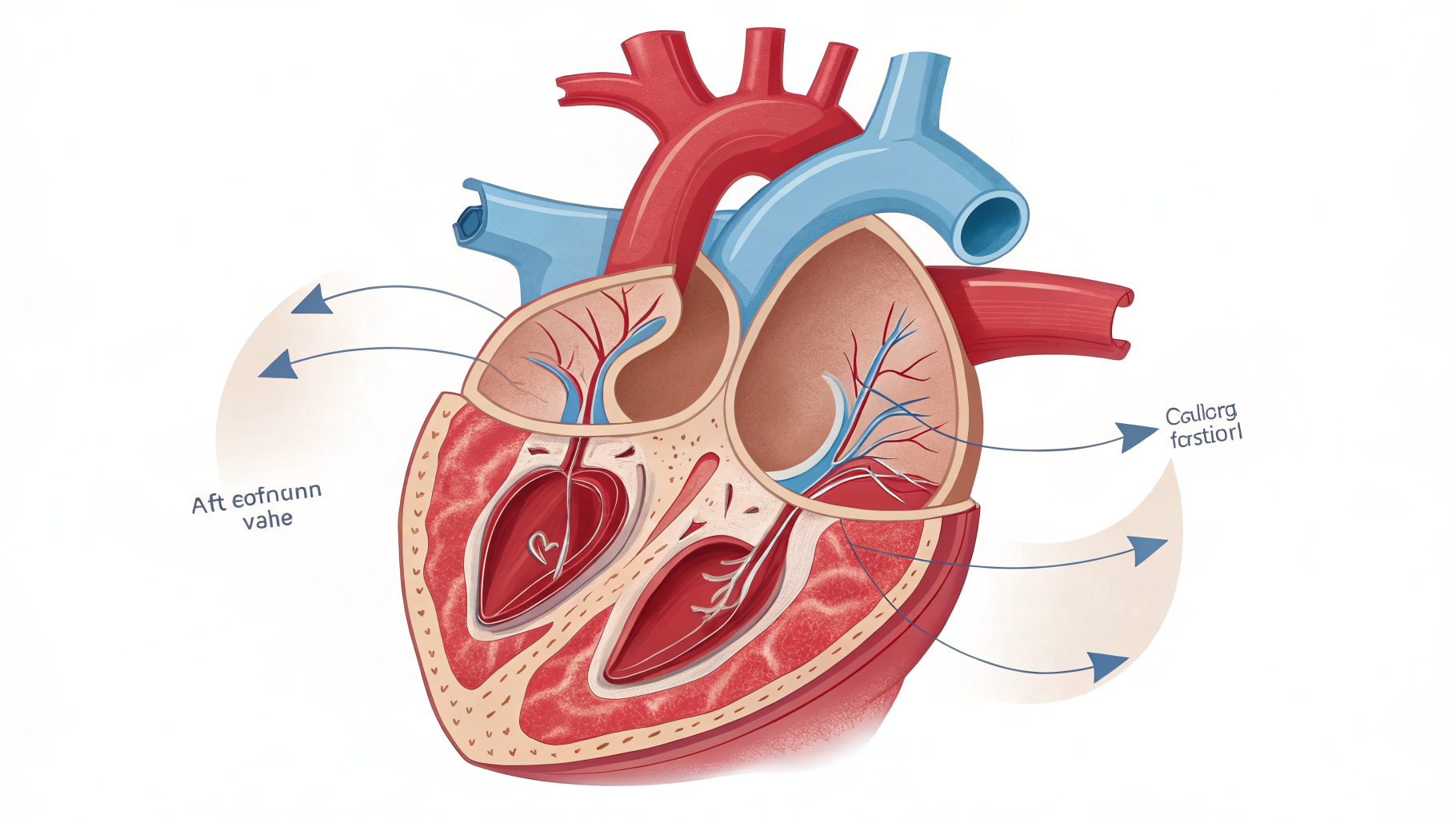
What is Mitral Valve Regurgitation?
Mitral valve regurgitation, often called mitral insufficiency, occurs when the leaflets of the mitral valve do not seal completely when the left ventricle contracts. This allows blood to leak backward from the left ventricle into the left atrium. Over time, this backward flow increases the volume of blood in the atrium and forces the heart to work harder to pump blood to the rest of the body.
This condition can develop suddenly (acute) or over a long period (chronic). Chronic mitral regurgitation may not cause noticeable symptoms for years, as the heart initially compensates for the leak. However, as the condition progresses, the strain on the heart can lead to significant health issues and a variety of recognizable symptoms.
Early and Mild Symptoms
In the early stages of chronic mitral valve regurgitation, many people have no symptoms at all. The condition might only be discovered when a doctor listens to the heart with a stethoscope and hears a heart murmur, which is the sound of turbulent blood flow. As the condition slowly progresses, the first signs are often subtle and may be dismissed as normal signs of aging or being out of shape.
These initial symptoms often appear during physical activity and can include:
- Shortness of breath (dyspnea): Feeling breathless during exertion or when you lie down flat.
- Fatigue: A general feeling of tiredness or weakness, especially with increased activity.
- Reduced exercise capacity: Finding it harder to perform physical activities that were once easy.
Progressive Symptoms to Watch For
As mitral regurgitation becomes more significant, the heart struggles to keep up with the body's demands for oxygenated blood. This increased strain leads to more noticeable and persistent symptoms that can occur even during periods of rest. The heart may begin to enlarge to handle the extra blood volume, which can contribute to these developing signs.
Symptoms of moderate to severe mitral regurgitation include heart palpitations, which can feel like a rapid, fluttering, or pounding heartbeat. You might also experience a persistent cough, particularly at night or when lying down. This is often caused by fluid building up in the lungs due to the heart's inefficiency. Some individuals may also report feeling lightheaded or dizzy.
Signs of Advanced Mitral Regurgitation
When the condition is left unmanaged and becomes severe, the heart can no longer compensate for the leaky valve. This can lead to heart failure, a serious condition where the heart cannot pump enough blood to meet the body's needs. The symptoms at this stage are more pronounced and can significantly impact daily life.
Key indicators of advanced mitral regurgitation include swelling, known as edema, in the legs, ankles, and feet. This is caused by fluid retention. Another significant sign is excessive urination, especially at night, as the body tries to get rid of excess fluid. The shortness of breath may become severe, making it difficult to breathe even while sitting still.
Symptoms of Acute Mitral Regurgitation
While chronic mitral regurgitation develops over years, acute mitral regurgitation happens suddenly and is a medical emergency. It is often caused by a sudden event like a heart attack that damages the structures of the mitral valve, or a ruptured chordae tendineae (the 'heart strings' that support the valve). The heart has no time to adapt to the sudden, severe leak.
The symptoms of acute mitral regurgitation are severe and appear abruptly. They include sudden and intense shortness of breath that makes breathing extremely difficult, a rapid heart rate, and low blood pressure. A person experiencing these symptoms requires immediate medical attention to prevent life-threatening complications.
When to Consult a Healthcare Professional
It is important to see a healthcare provider if you experience any potential symptoms of heart valve disease. While fatigue or shortness of breath can have many causes, they should not be ignored, especially if they are new or worsening. A doctor can perform a physical exam and order tests like an echocardiogram to evaluate your heart's structure and function.
Specifically, you should schedule an appointment if you notice a persistent cough when lying down, palpitations, unexplained swelling in your limbs, or a significant decrease in your ability to exercise. Early diagnosis and monitoring are key to managing mitral valve regurgitation and preventing more serious complications from developing.