Recognizing Symptoms of Dementia and Early Signs to Know
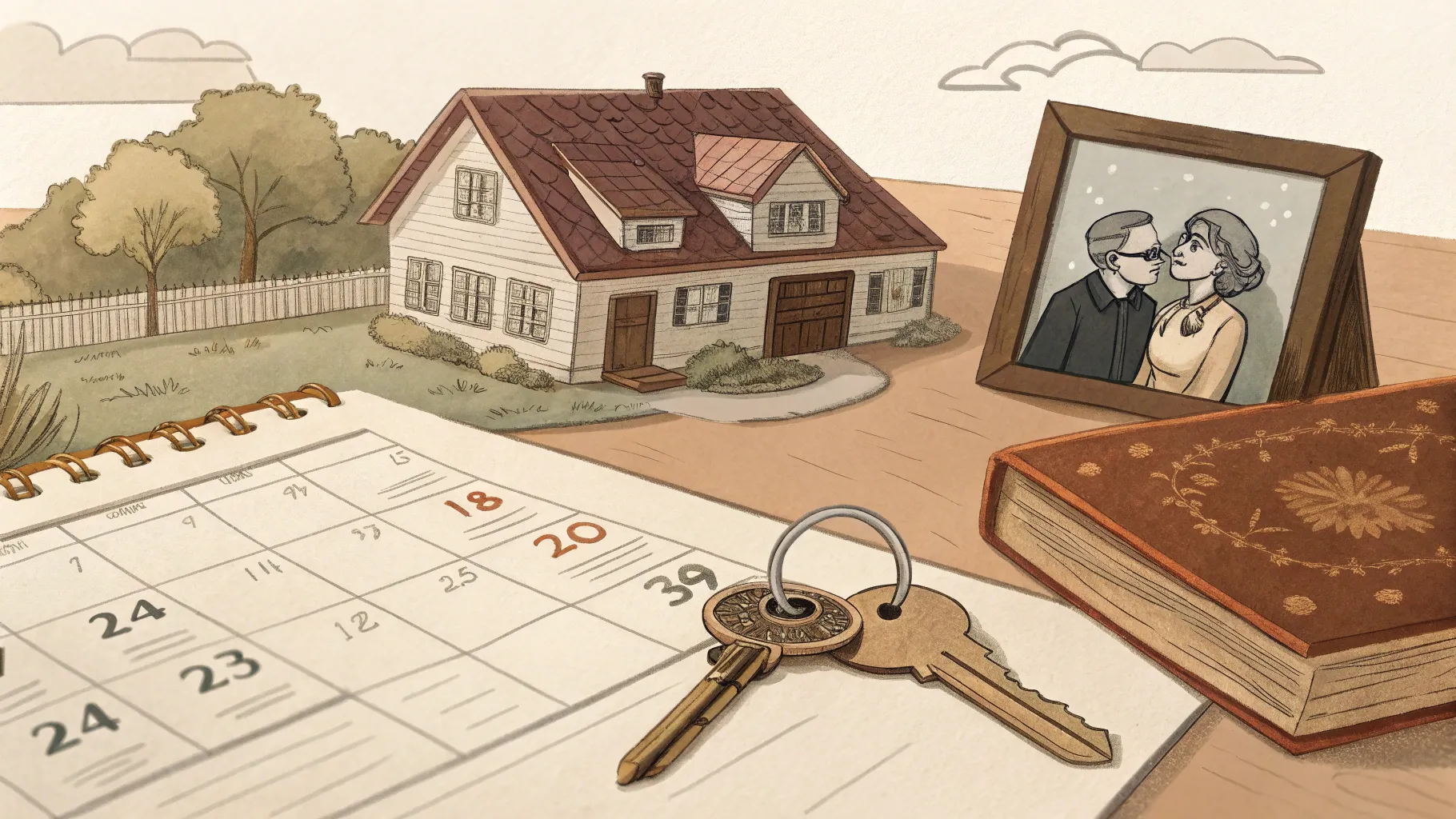
Understanding Symptoms of Dementia
Dementia is not a single disease but rather a term that encompasses various symptoms affecting memory, thinking, and social abilities severely enough to interfere with daily life. As we delve into the realms of dementia health information, it becomes crucial to understand the symptoms of dementia, particularly its early signs that can help in early detection and intervention. With recent studies showing that approximately 10 million new cases of dementia are reported annually, awareness of its symptoms is more important than ever.
What Are the Early Signs of Dementia?
Identifying the early signs of dementia can be challenging, as the symptoms often mimic the normal aging process. However, there are distinct memory loss symptoms and cognitive changes to watch out for. If you or a loved one starts experiencing any of the following, it's essential to consult a healthcare professional:
- Memory Loss: Forgetting recently learned information or important dates can be one of the earliest indications. This might progress to forgetting names or personal items.
- Difficulty Completing Familiar Tasks: Challenges with daily activities, like cooking a familiar recipe or managing finances, can also signify cognitive decline.
- Language Problems: Struggling to follow or join conversations, finding it hard to recall words, or calling things by the wrong name, can affect communication.
- Disorientation: Individuals may become confused about time, place, or the people around them, losing their sense of direction even in familiar settings.
- Judgment Issues: An obvious decline in judgment can manifest in poor decision-making. For example, giving away large sums of money to telemarketers may indicate a significant problem.
- Changes in Mood and Personality: Sudden shifts in mood or behavior, such as unusual irritability, anxiety, or depression, can accompany cognitive decline, impacting relationships.
- Withdrawal from Social Activities: A noticeable loss of interest in hobbies or social engagements can be a sign that something deeper is happening.
Each of these symptoms does not mean a diagnosis of dementia, but rather are memory loss symptoms that warrant a further evaluation by a healthcare provider. In recent surveys, 55% of individuals diagnosed with early-stage dementia reported having experienced noticeable memory issues for several months prior to their diagnosis, emphasizing the need for vigilance.
Understanding Cognitive Decline Through Real-life Examples
Recognizing symptoms of dementia can be more relatable through the lens of real-life case studies. For instance, a 67-year-old retired teacher, Mrs. Johnson, began misplacing objects around her house – her glasses would turn up in the refrigerator, and her keys would be found in the garden. Initially dismissed as normal forgetfulness, her family eventually sought help after she failed to recognize her own grandchildren during a family visit, a troubling observation that prompted a formal assessment by a neurologist.
Post evaluation, it turned out Mrs. Johnson was experiencing early-stage Alzheimer's disease, a common form of dementia. Interventions were put in place to help her manage her symptoms effectively. This story echoes a broader truth: early detection can significantly improve the quality of life for those affected.
Community Support and Resources
In 2025, numerous community resources are available to support individuals with dementia and their families. From support groups to educational workshops, local organizations play a crucial role in providing necessary information and emotional backing. Many communities are now integrating programs that aim to raise awareness about dementia symptoms, seeking to demystify the stigmas associated with the condition.
- Local Support Groups: These offer emotional support and practical advice for caregivers and families dealing with dementia.
- Online Platforms: Websites and apps provide resources, forums, and articles to help families navigate through the challenges of dementia.
- Health Care Networks: Many healthcare providers now offer specialized memory clinics equipped to assess cognitive health and manage symptoms effectively.
Accessing these resources can empower families, ensuring that they do not navigate the complexities of dementia alone. With an increased understanding of symptoms of dementia, discussions around caregiving, and available support networks, families can face the reality of dementia with better preparedness.
Embracing a Holistic Approach to Dementia Care
Dementia is a multifaceted condition that not only affects individuals but also impacts families and communities. Engaging in meaningful activities can have a profound impact on quality of life. Holistic approaches, including music therapy, art therapy, and memory exercises, have gained traction as viable options for enhancing cognitive functions and improving emotional well-being.
Utilizing approaches that focus on the individual, rather than the disease, reflects a shift in understanding cognitive decline today. For example, memory care facilities are incorporating life-history programs that allow residents to engage in storytelling and reminiscence therapy, helping them connect with their past and find joy in their daily lives. As noted by recent studies, activities that foster engagement and connection can significantly delay cognitive decline.
This understanding fosters a more compassionate view toward those experiencing these symptoms, reinforcing the notion that early intervention and support can significantly alter life trajectories. Thus, when recognizing the symptoms of dementia, it is essential to approach the situation with sensitivity and an openness to seek help. Every symptom is a call for understanding, patience, and action, which can lead to a more fulfilling life despite the challenges presented by dementia.