Recognizing Symptoms of Colitis for Better Digestive Health
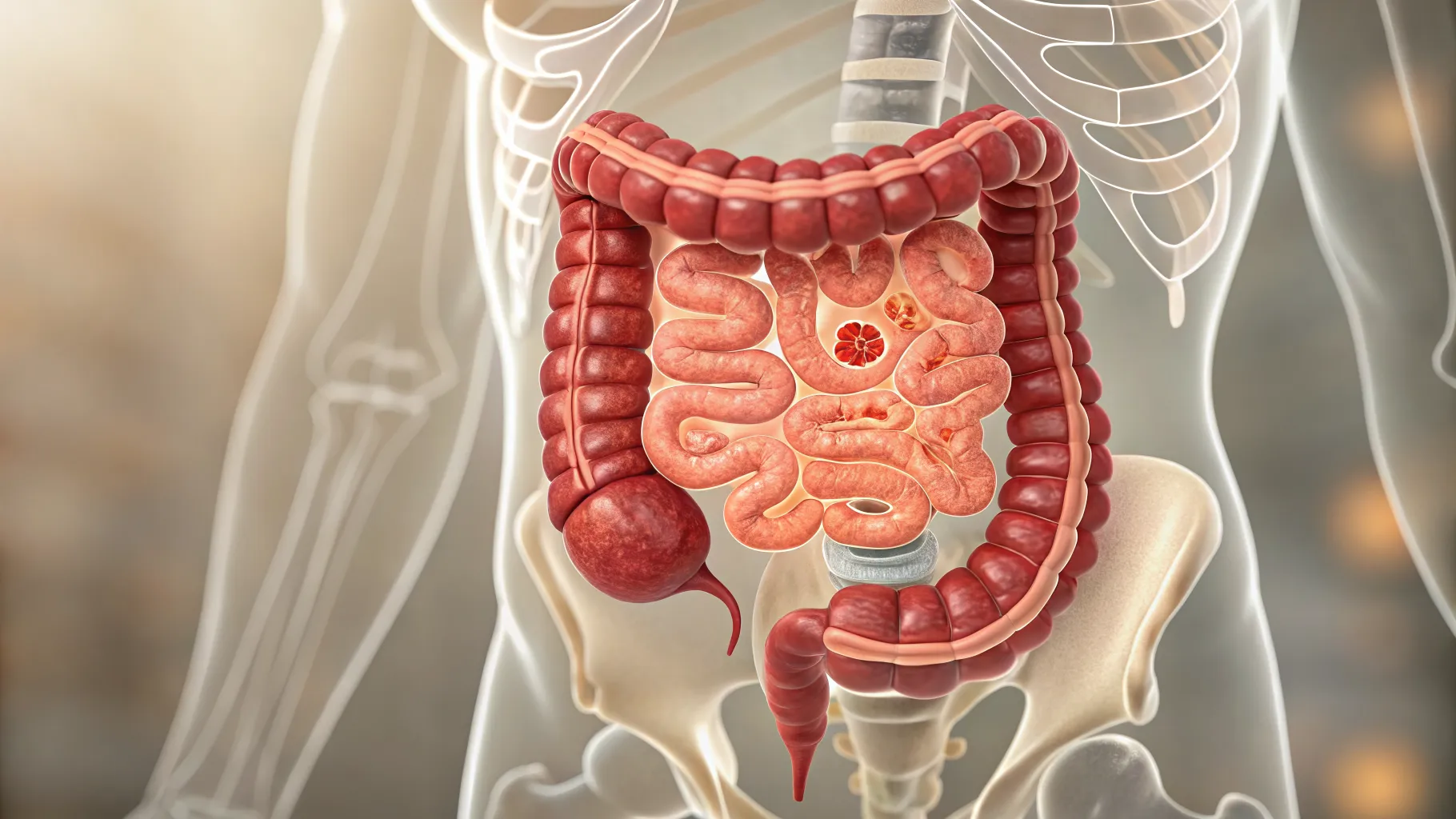
Understanding the Symptoms of Colitis in 2025
Colitis, the inflammation of the inner lining of the colon, affects millions globally and its prevalence continues to rise in 2025. This condition can lead to various symptoms that significantly impact a person's digestive health and quality of life. Recognizing the signs of colitis is essential for timely intervention and effective management, allowing individuals to lead fuller lives despite the challenges posed by this illness.
Identifying Early Symptoms of Colitis
Often, the initial symptoms of colitis develop gradually, making them easy to overlook. However, being proactive about your health can make a substantial difference. The following early signs merit attention:
- Abdominal Pain: Many individuals describe this discomfort as cramping or a sensation of fullness, which can vary in severity. It's not uncommon for this pain to worsen before a bowel movement, signaling a potential issue.
- Diarrhea: Frequent episodes of loose or watery stools are perhaps the most well-known symptom of colitis. Those affected often experience an urgent need to use the restroom, sometimes coping with accidents that can be quite distressing.
- Bloating and Gas: Individuals may often feel an uncomfortable fullness in their abdomen, accompanied by excessive gas, as the digestive system struggles to process food and waste effectively.
Recent studies from early 2025 reveal that nearly 50% of colitis patients report experiencing persistent diarrhea as a key symptom. Recognizing these early indicators can allow for better management strategies, potentially preventing more severe complications down the line.
Managing Digestive Health with Colitis
Colitis not only causes direct symptoms but can also influence overall digestive health. Understanding this interconnectedness is crucial for informed management. For instance, studies indicate that patients with milder cases of colitis may benefit from high-fiber diets, which can regulate bowel movements and reduce inflammation. On the flip side, individuals with more severe symptoms often find relief by sticking to a low-residue diet, which minimizes irritation of the colon.
Fluid intake is another vital aspect of managing colitis. Since diarrhea can lead to dehydration and electrolyte imbalances, it’s crucial for patients to stay hydrated. Recent research stresses the importance of electrolyte-rich fluids, particularly for those experiencing frequent bouts of diarrhea.
For anyone living with colitis, recognizing and understanding these symptoms can significantly impact overall wellness, helping to maintain hydration levels and manage other potential complications.
Daily Life with Colitis: Real-World Implications
Living with colitis poses remarkable challenges in daily life. Many individuals find that their routines revolve around their symptoms, leading to heightened anxiety and stress. Here are some common challenges faced by those with colitis:
- Work and Social Environments: Frequent trips to the restroom can be uncomfortable and anxiety-inducing, especially in public or professional settings. Many individuals report declining social invitations due to fear of experiencing symptoms in public.
- Travel Logistics: For those who wish to travel, preparation becomes vital. This might include mapping out restroom locations along the route and ensuring necessary medications are packed and easily accessible.
- Mental Health Impact: The stress of managing colitis symptoms often takes a toll on mental health, leading to heightened levels of anxiety and depression. This complex interplay emphasizes the need for comprehensive treatment approaches that address both physical and emotional well-being.
A recent survey conducted in late 2024 highlighted that approximately 60% of colitis patients report mental health concerns linked to their digestive symptoms. This finding underscores the importance of holistic treatment options that encompass both physical health and mental wellness.
Colitis as an Inflammatory Bowel Disease
Colitis is often classified as a type of inflammatory bowel disease (IBD), alongside Crohn's disease and other related conditions. Symptoms can vary significantly across these different diseases, but several key signs are particularly prevalent in those with colitis:
- Rectal Bleeding: This symptom often surfaces as bright red blood in the stool, indicating possible inflammation or ulcers in the colon. It’s a critical indicator that should never be ignored.
- Mucus in Stool: Many individuals report noticing mucus accompanying their stools, which serves as an indicator of inflammation within the colonic lining.
- Chronic Fatigue: Related to ongoing inflammation, chronic fatigue is a pervasive issue for many facing colitis. Patients often experience high levels of fatigue that can affect general day-to-day functioning.
Recent findings suggest that about 20% of individuals initially diagnosed with IBD report rectal bleeding as their first identifiable symptom of colitis, emphasizing the necessity for early detection and intervention.
The Path Forward in Understanding Colitis Symptoms
As we immerse ourselves in 2025, the dialogue surrounding colitis and its symptoms remains vital. With advancements in medical research and increased awareness regarding digestive health, individuals are better equipped to recognize symptoms early and seek appropriate treatment. Innovations in pharmaceuticals, dietary approaches, and surgical options mark significant strides in effectively managing colitis and enhancing patient quality of life.
Anyone who suspects they are experiencing symptoms of colitis should not hesitate to consult healthcare professionals. A thorough diagnosis and a tailored treatment plan can make a world of difference, allowing individuals to take control and manage their condition effectively.
Staying informed and proactive about digestive health, in conjunction with recognizing colitis symptoms, is essential for improved health outcomes. Whether you are newly diagnosed or have been living with colitis for years, understanding how these symptoms interact with your overall health is key. Keep advocating for your health and connecting with supportive communities for shared experiences and encouragement.