Recognizing Symptoms of Hand Osteoarthritis Signs and Pain
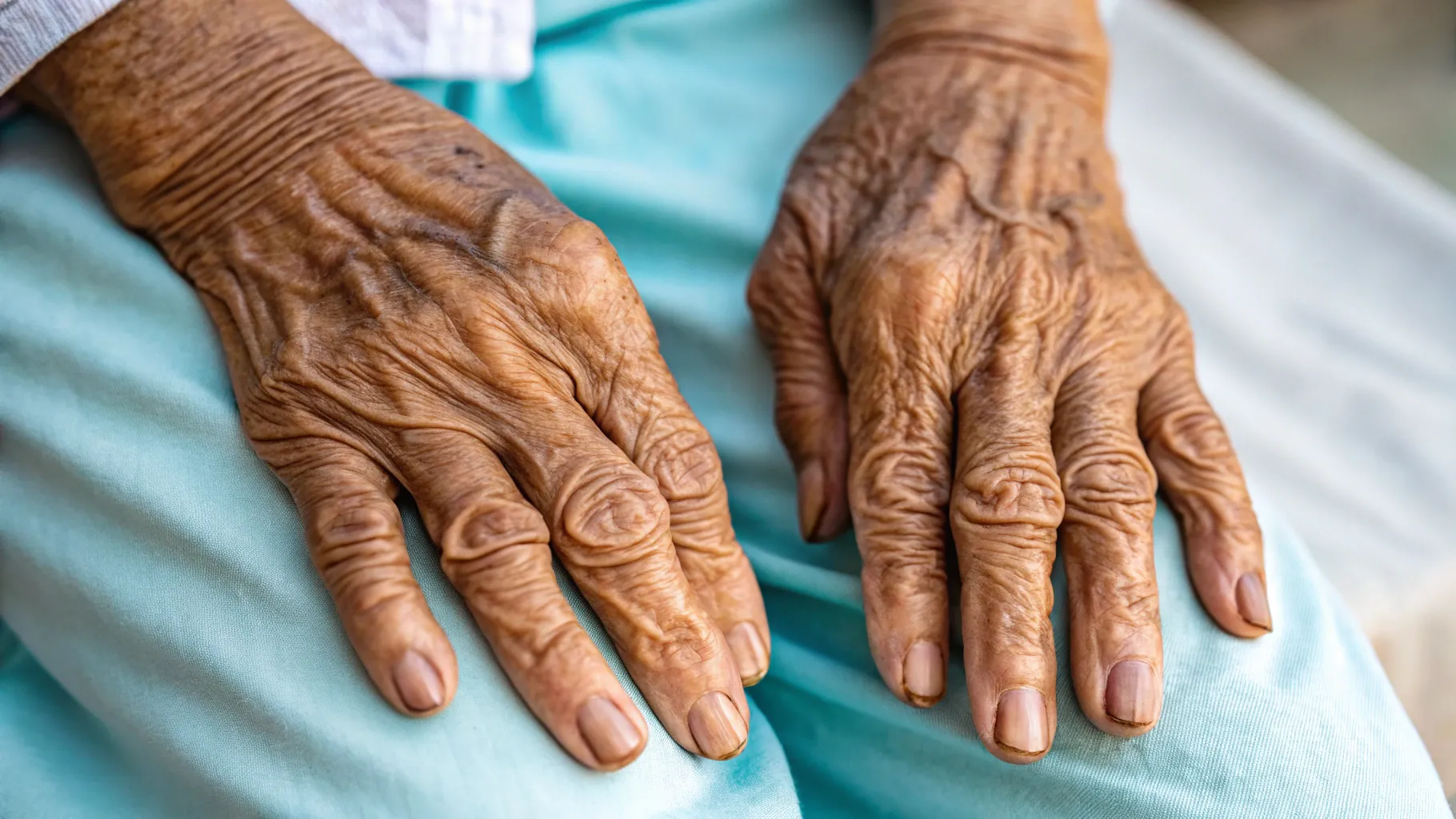
Understanding the Symptoms of Hand Osteoarthritis
Osteoarthritis is a common degenerative joint disease that frequently impacts the hands, causing significant discomfort and affecting daily life. With the rising number of diagnoses in recent years, awareness of the symptoms of hand osteoarthritis has never been more crucial. Understanding the signs of this condition can lead to timely treatment and improved quality of life. In this article, we will explore hand osteoarthritis signs explained, discuss joint pain and its implications, and provide a comprehensive guide to recognizing osteoarthritis in your hands.
Recognizing the Signs of Hand Osteoarthritis
Hand osteoarthritis primarily affects the small joints of the fingers and the base of the thumb. While the symptoms can vary from person to person, the most common signs include:
- Joint Pain: The most prevalent symptom, joint pain often worsens with activity but can experience relief with rest. Patients frequently describe the pain as aching or throbbing.
- Stiffness: Morning stiffness is often reported, with symptoms easing as the day goes on. This tightness can make it difficult to perform tasks, especially after periods of inactivity.
- Swelling: Joints may swell due to inflammation and fluid retention, leading to visible changes in the fingers and hands.
- Deformities: Over time, the joints may become misshapen. Bony growths, known as osteophytes, often form on the affected joints, leading to decreased mobility.
- Reduced Range of Motion: As the cartilage wears away, patients may notice difficulty bending or straightening their fingers. This limitation can significantly affect daily tasks like gripping or typing.
- Crunching Sensation: A grating sensation or sound, medically known as crepitus, may occur when moving the affected joints. This symptom can often accompany joint movement as cartilage degrades.
Recent studies indicate that nearly 30% of adults aged over 65 experience osteoarthritis symptoms in their hands, highlighting the substantial impact this disease has on the aging population. Awareness of these signs is essential for early diagnosis and intervention.
The Impact of Joint Pain and Hand Osteoarthritis
Joint pain often stands out as the most disruptive aspect of hand osteoarthritis to patients. The experience of persistent pain can affect not only the physical capacity to perform everyday tasks but also the emotional and psychological aspects of life. Tasks that were once automatic—like opening jars, turning keys, or typing—may become challenging, leading to frustration and reduced independence.
Many individuals find it particularly disheartening when they struggle with activities they loved, such as cooking, knitting, or playing musical instruments. In fact, a recent survey showed that over 40% of individuals with hand osteoarthritis report a decline in their overall quality of life due to limitations imposed by joint pain.
Additionally, with the changes in joint structure that accompany osteoarthritis, many patients face increased risks of additional joint injuries. For instance, altered hand mechanics not only lead to more strain on the affected joints but also can place unexpected stress on neighboring joints in the fingers and wrists.
Current Treatments and Management Strategies
While there is no definitive cure for hand osteoarthritis, several management strategies can help alleviate symptoms and improve patients' ability to function. Treatment plans often include:
- Physical Therapy: Engaging with a qualified physical therapist can provide exercises tailored to strengthen the muscles around the joints and enhance flexibility. This targeted therapy aids in maintaining joint function and alleviating pain.
- Pain Medications: Over-the-counter pain relievers, such as NSAIDs, can provide temporary relief for mild discomfort. For more severe pain, physicians may prescribe stronger medications.
- Topical Treatments: Creams and ointments containing anti-inflammatory ingredients can be applied directly to the skin over painful joints, providing localized relief.
- Assistive Devices: Utilizing braces, splints, or adaptive tools can relieve strain on the joints during daily activities. Simple adjustments like using ergonomic kitchen tools or adaptive clothing can make a significant difference.
- Injections: Corticosteroid injections can help reduce inflammation and pain in the affected joints, providing temporary relief for some patients.
- Surgery: For advanced cases of hand osteoarthritis where conservative treatments fail to offer relief, surgical options, such as joint replacement or fusion, may be considered.
In recent months, research has continued to explore innovative treatment pathways, including emerging therapies that focus on regenerative medicine, such as stem cell therapy. These advancements demonstrate promise in potentially repairing damaged cartilage and restoring function.
Raising Hand Osteoarthritis Awareness
As the incidence of hand osteoarthritis continues to rise, public awareness becomes increasingly important. Individuals experiencing joint pain should not dismiss their symptoms as part of the aging process. Recognizing early signs can lead to timely diagnosis and intervention.
Organizations and healthcare providers are encouraged to raise awareness through educational campaigns. Community engagement, including workshops and support groups, can also empower individuals with knowledge and practical coping strategies, ultimately fostering resilience and hope in managing hand osteoarthritis.
In summary, understanding the symptoms of hand osteoarthritis is crucial for early detection and management. By recognizing the signs such as joint pain, stiffness, and swelling, individuals can seek appropriate treatment and support. Remaining informed about available therapeutic options can significantly enhance one’s quality of life amidst the challenges posed by hand osteoarthritis.