Understanding Signs of Liver Disease: Early Symptoms
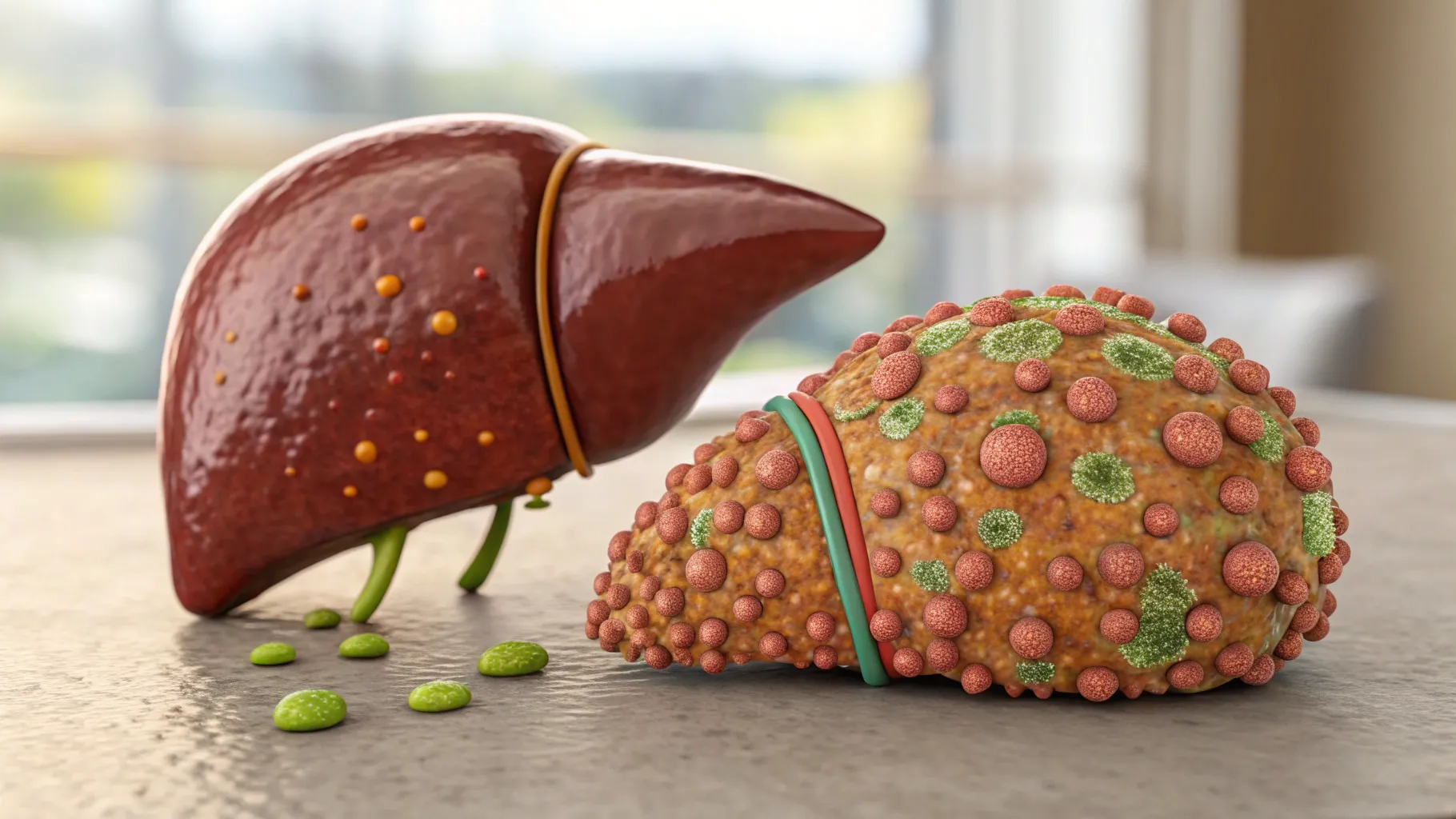
Understanding the Signs of Liver Disease
The liver is an essential organ, playing a crucial role in our body’s overall functionality. It helps with detoxification, processes nutrients, and produces vital biochemicals for digestion. Given its importance, being vigilant about the signs of liver disease is paramount. Liver conditions, often developing without noticeable symptoms, require early detection for effective intervention.
Spotting Early Symptoms of Liver Disease
When it comes to early symptoms of liver disease, many people may not recognize these subtle indicators initially. Commonly reported early symptoms include:
- Fatigue: If you're experiencing persistent tiredness that seems unrelieved by rest, this may indicate a malfunctioning liver.
- Jaundice: A noticeable yellowing of your skin and the whites of your eyes can signal an issue with bile processing.
- Dark Urine: This condition suggests a bilirubin buildup, an important indicator of liver health.
- Pale Stools: Light-colored stools can indicate a blockage in the bile ducts and should never be ignored.
- Abdominal Swelling: The accumulation of fluid in the abdomen, known as ascites, can indicate advanced liver disease.
A recent survey highlighted that a large percentage of adults remain unaware of these critical warning signs. This emphasizes the importance of regular health check-ups, particularly for those who are at heightened risk, such as individuals with obesity, those who consume alcohol heavily, or those with a family history of liver issues.
Key Signs of Liver Disease Not to Overlook
The common signs of liver disease can manifest in various forms and intensities. Besides the early symptoms, individuals should also be alert to the following symptoms, which often indicate a need for immediate medical attention:
- Itchy Skin: A build-up of bile salts in the blood can lead to uncomfortable itchiness.
- Nausea or Vomiting: Experiencing frequent nausea or sudden vomiting can signal severe liver complications.
- Loss of Appetite: A noticeable drop in your desire to eat can reflect underlying liver issues.
- Easy Bruising: If you find yourself bruising easily, it may indicate that your liver is struggling to produce clotting factors.
Recognizing these signs early on can play a critical role in effectively managing liver diseases. A study from last year noted that patients with liver conditions significantly improved when they sought medical assistance promptly. For example, individuals suffering from cyclic vomiting syndrome related to liver issues saw a 25% increase in survival rates with early treatment interventions.
Understanding the Causes of Liver Disease
Understanding what causes liver disease is pivotal for prevention and management. A multitude of factors contribute to liver health, including lifestyle choices and viral infections. Notable causes of liver disease include:
- Alcohol Abuse: Chronic heavy drinking can lead to conditions such as alcoholic hepatitis and cirrhosis over time.
- Obesity: The growing prevalence of obesity has sparked an increase in liver conditions linked to non-alcoholic fatty liver disease (NAFLD).
- Viral Hepatitis: Infections with hepatitis B and C can result in long-lasting damage to the liver.
- Genetic Conditions: Disorders such as Wilson’s disease disrupt normal copper metabolism, negatively affecting liver function.
A striking report from July 2025 revealed that liver disease now ranks among the top ten causes of death worldwide. This underscores the urgent need for comprehensive awareness, education, and preventive measures.
Exploring Treatment Options for Liver Disease
If diagnosed with liver disease, various treatment avenues can be considered. The treatment approach often hinges on the specific type and stage of the disease. Here are some prevalent treatment strategies:
- Medications: Physicians might prescribe medications to combat infections like hepatitis, address symptoms, or reduce liver inflammation.
- Lifestyle Changes: Adopting healthier habits—like ceasing alcohol consumption, embracing a balanced diet, and engaging in regular exercise—can significantly improve liver function.
- Hepatitis Vaccinations: Vaccines against hepatitis A and B are vital in reducing the risk of liver diseases and complications.
- Liver Transplant: Advanced liver disease may necessitate a transplant, a life-saving option for many individuals.
Patients often find success through a combination of lifestyle changes and medical treatments. Recent case studies have highlighted remarkable recoveries: individuals improved their liver function dramatically within six months, attributing their progress to a commitment to lifestyle adjustments paired with appropriate medical care.
Enhancing Liver Health with Natural Supplements
In addition to conventional treatments, many individuals are turning to liver health supplements as a complementary strategy. Several popular supplements known for their potential liver benefits include:
- Milk Thistle: This herb contains silymarin, believed to offer protective effects on liver cells.
- Turmeric: Renowned for its anti-inflammatory properties, turmeric can support the detoxification processes of the liver.
- Artichoke Extract: This supplement may enhance bile production, critical for digestion and optimal liver function.
- Alpha-Lipoic Acid: As an antioxidant, it helps mitigate oxidative stress within liver cells.
Consulting with healthcare professionals before introducing any supplements is crucial, as there might be potential interactions with existing medications. Ongoing research continues to evaluate the safety and efficacy of these supplements in supporting liver health.
Being aware of the signs and symptoms associated with liver disease is fundamental to protecting your health. By identifying these indicators early and understanding available treatment options, you can better manage liver disease. Don't take your liver health for granted; prioritize it today! It could mean the difference between recovery and serious health consequences.