Recognizing the Early Warning Signs of Stroke: A Critical Guide
Fast Facts:
- Immediate Action: Calling emergency services immediately can drastically improve outcomes.
- A growing focus on brain health signs is leading to better preventative care for adults over 40.
Decoding Your Body's Neurological SOS Signals
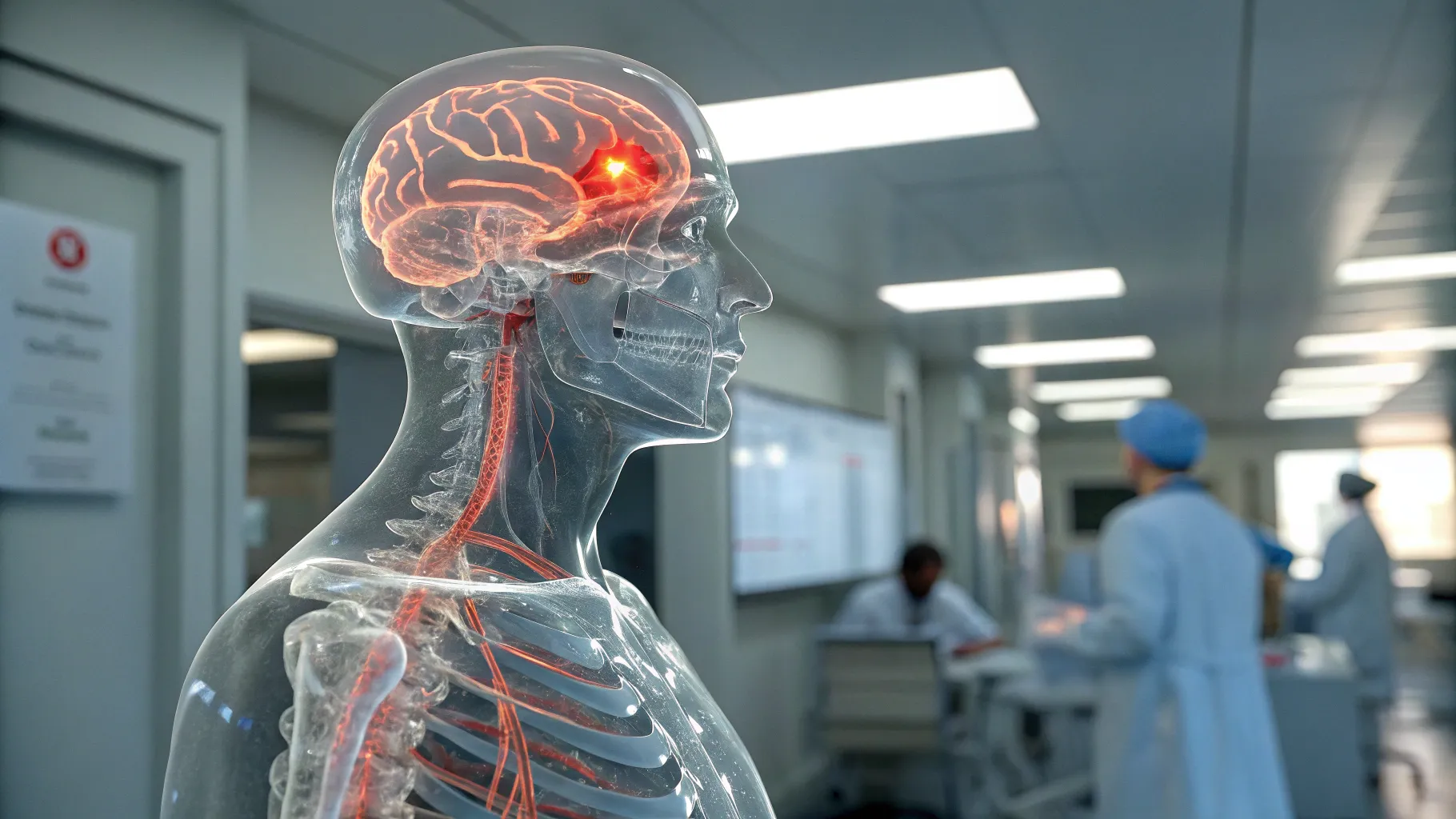
Understanding the early stroke signs is one of the most powerful steps you can take to protect yourself and your loved ones. A stroke, often called a 'brain attack,' occurs when blood flow to an area of the brain is cut off. When this happens, brain cells are deprived of oxygen and begin to die. Recognizing the symptoms quickly and seeking immediate medical attention is paramount. This guide provides essential stroke awareness information to help you identify the critical indicators before it's too late, empowering you with the knowledge to act decisively in a medical emergency.
The F.A.S.T. Acronym: Your First Line of Defense
The F.A.S.T. acronym is a globally recognized tool to help people quickly identify the most common stroke symptoms. Memorizing it can be life-saving.
F — Face Drooping
One side of the face may droop or feel numb. The easiest way to check is to ask the person to smile. If the smile is uneven or lopsided, it's a significant warning sign.
A — Arm Weakness
One arm may feel weak or numb. Ask the person to raise both arms. If one arm drifts downward or cannot be raised at all, it indicates a potential stroke.
S — Speech Difficulty
Speech may be slurred, or the person may be unable to speak or hard to understand. Ask them to repeat a simple sentence, like 'The sky is blue.' If they struggle, it's a critical symptom.
T — Time to Call Emergency Services
If you see any of these signs, even if the symptoms go away, it's time to call emergency medical services immediately. Note the time when the first symptoms appeared, as this information is crucial for treatment.
Beyond F.A.S.T.: Other Critical Stroke Warning Symptoms
While F.A.S.T. covers the most common indicators, other stroke warning symptoms can appear suddenly and should not be ignored. This crucial neurological symptom information includes a sudden, severe headache with no known cause, sudden trouble seeing in one or both eyes, sudden dizziness or loss of balance, and sudden confusion or trouble understanding. Paying attention to these additional brain health signs is vital for a comprehensive approach to stroke awareness.
Actionable Steps for Stroke Prevention
While recognizing signs is crucial, prevention is key. Here are practical steps you can take to lower your risk:
- Manage Blood Pressure: High blood pressure is a leading cause of stroke. Work with your doctor to keep it within a healthy range.
- Control Cholesterol: High levels of LDL ('bad') cholesterol can lead to plaque buildup in arteries, increasing stroke risk.
- Maintain a Healthy Diet: Focus on a diet rich in fruits, vegetables, and whole grains while limiting saturated fats and sodium.
- Engage in Regular Physical Activity: Aim for at least 150 minutes of moderate-intensity exercise per week.
- Avoid Smoking: Smoking thickens your blood and increases the amount of plaque buildup in the arteries.
Frequently Asked Questions
Can stroke symptoms come and go?
Yes. Symptoms that appear and then resolve within a few minutes or hours could be a Transient Ischemic Attack (TIA), often called a 'mini-stroke.' A TIA is a serious warning sign of a future stroke and requires immediate medical evaluation.
What is the difference between an ischemic and hemorrhagic stroke?
An ischemic stroke, the most common type, is caused by a blood clot that blocks a vessel in the brain. A hemorrhagic stroke is caused by a blood vessel that breaks and bleeds into the brain. Both are medical emergencies.
Who is most at risk for a stroke?
While a stroke can happen to anyone, risk factors include high blood pressure, diabetes, heart disease, smoking, and a family history of stroke. Age is also a significant factor, with risk increasing as you get older.
References
- World Stroke Organization (WSO)
- American Stroke Association
- National Institute of Neurological Disorders and Stroke (NINDS)