Recognizing Early Warning Signs of Stroke Symptoms
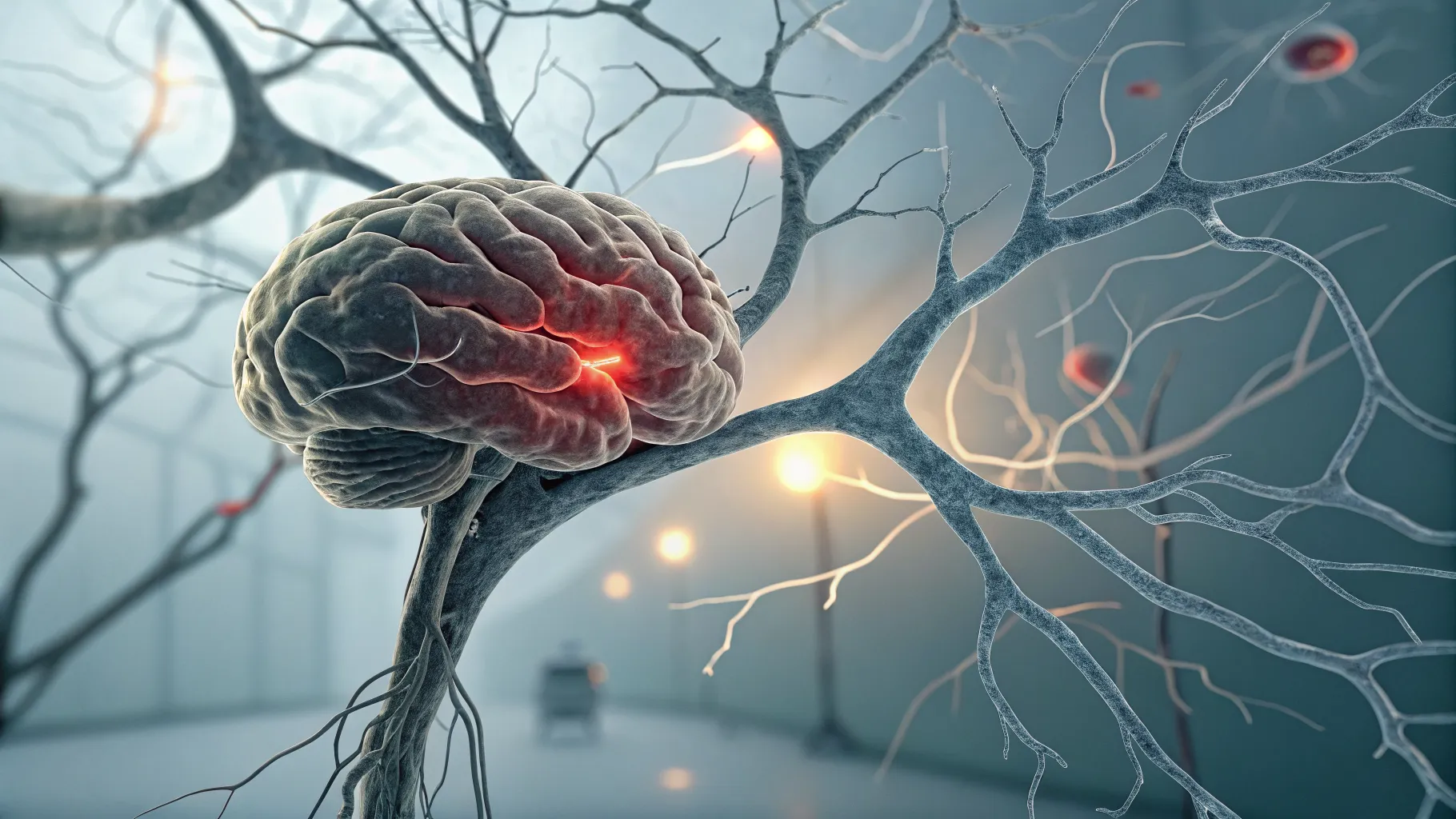
Understanding the Early Warning Signs of Stroke
Stroke is a leading cause of death and serious long-term disability around the globe, with the most recent statistics from 2025 indicating that over 795,000 people in the U.S. experience a stroke each year. Recognizing early warning signs of stroke can be vital for prompt medical intervention, which can significantly impact recovery chances. In this article, we explore the key symptoms of stroke and why understanding them is crucial for maintaining brain health.
What Are the Main Stroke Symptoms?
The symptoms of stroke appear suddenly and can vary widely depending on the type of stroke—ischemic or hemorrhagic. Here are some common indicators to watch for:
- Sudden numbness or weakness: This is often one of the first signs, typically occurring on one side of the body. Pay attention to the face, arm, or leg.
- Confusion or trouble speaking: A person may have difficulty speaking, understanding, or even forming coherent sentences when experiencing a stroke.
- Vision problems: Blurred or blackened vision in one or both eyes can be an early warning. Patients may also experience visual disturbances.
- Dizziness or loss of balance: A sudden loss of coordination or difficulty walking is often reported among stroke patients.
Recognizing these stroke indicators early is crucial for receiving timely treatment. Studies have shown that the prompt administration of treatment within the first three hours can drastically reduce long-term disabilities.
Acting FAST: The Importance of Quick Response
One of the best ways to remember the signs of stroke is to use the acronym FAST:
- F (Face): Ask the person to smile. Does one side of their face droop?
- A (Arms): Ask them to raise both arms. Does one arm drift downward?
- S (Speech): Ask them to repeat a simple sentence. Is their speech slurred or strange?
- T (Time): If you see any of these signs, it's time to call emergency services immediately.
Research published in 2025 indicates that awareness of the FAST method has increased early stroke identification rates by over 25%. The quicker the reaction, the better the outcome, as brain cells can begin to die from lack of oxygen within minutes of a stroke.
Other Early Warning Signs Not to Ignore
While the FAST method highlights the most common symptoms, it is essential to understand that some strokes can present differently. Other early warning signs can include:
- Severe headaches: Especially if they come on suddenly and are unlike any headaches previously experienced.
- Nausea or vomiting: This can occur in the context of a stroke, particularly in hemorrhagic strokes.
- Seizures: An unexpected seizure may indicate a stroke or other severe brain issue.
Even if these symptoms are brief or transient, they should always be taken seriously. Transient ischemic attacks (TIAs), often called "mini-strokes," can serve as critical warning signals that further stroke occurrences may be imminent.
The Impact of Lifestyle on Stroke Risk
Understanding early warning signs of stroke is not only about recognizing symptoms but also about proactive management of risk factors. Lifestyle choices play a significant role in preventing strokes. In 2025, statistics show that more than 80% of strokes can be prevented through healthier living. Essential tips for maintaining brain health include:
- Eating a balanced diet: Incorporate plenty of fruits, vegetables, and whole grains while reducing salt and unhealthy fats.
- Regular physical activity: Aim for at least 150 minutes of moderate aerobic exercise weekly to maintain cardiovascular health.
- Avoiding smoking: Smoking is one of the most significant risk factors, as it increases blood pressure and cholesterol.
- Monitoring blood pressure: Keeping blood pressure at healthy levels is crucial for reducing stroke risk.
Incorporating these changes into daily life can help reduce the likelihood of experiencing a stroke while enhancing overall brain health. The last six months have seen significant discussions in health circles about how lifestyle changes can have profound implications on stroke rates.
The Role of Community Awareness in Stroke Prevention
Community awareness programs have shown to be effective in educating the public about the early warning signs of stroke. Health departments across regions are actively conducting outreach programs that involve:
- Workshops on recognizing stroke symptoms.
- Training for bystanders on how to respond in case of a stroke.
- Engagement in local events focused on heart and brain health.
These community initiatives not only increase awareness but also foster supportive environments for individuals at risk. Recent case studies highlight communities where stroke awareness has led to early identification and significant reductions in stroke-related fatalities. For example, cities that implemented training programs in schools and workplaces have reported a sharp increase in timely emergency responses, demonstrating how effective outreach can save lives.
As we strive to improve brain health and reduce the impact of strokes, it’s essential to spread knowledge about the early signs and the actions that can be taken. Lifesaving recognition begins with education and community effort, making awareness one of our best tools in combating stroke incidences.