Recognizing Early Warning Signs of Eczema Symptoms
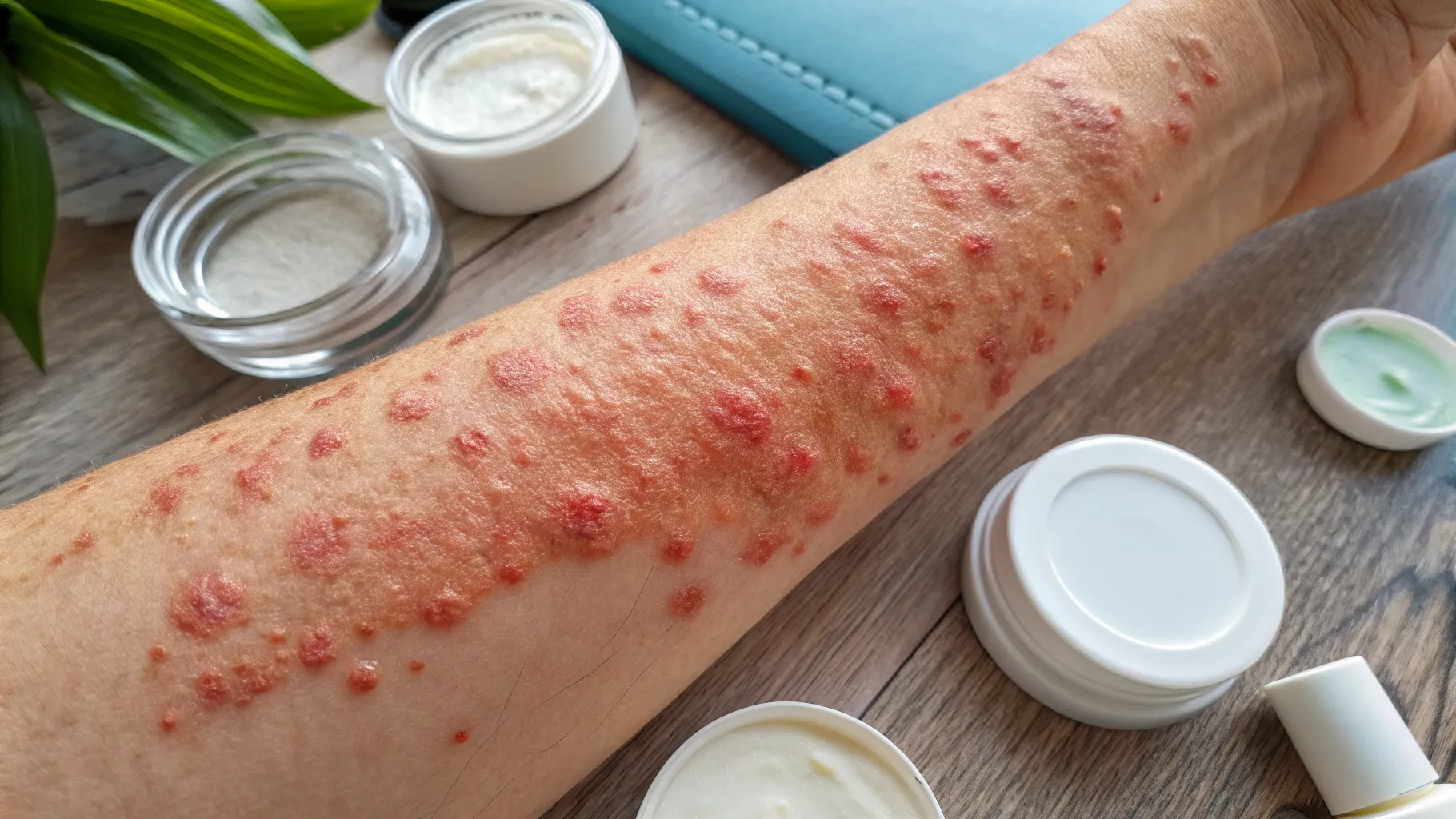
Warning Signs of Eczema Understanding the Symptoms and Early Indicators
Eczema, often referred to as atopic dermatitis, continues to be a significant concern for countless individuals today. This prevalent skin condition can impact anyone, from young children to older adults, leading to a diverse range of symptoms and severity levels. Recognizing the warning signs of eczema is crucial because early intervention can lead to more effective management and reduced flare-ups.
Identifying Eczema Symptoms Early
One of the most vital steps in managing eczema is recognizing its symptoms as early as possible. Symptoms can vary significantly between individuals, which complicates timely diagnosis and treatment. Therefore, increased awareness is vital. Here, we outline some of the most common eczema symptoms to watch for:
- Dry and Cracked Skin: A hallmark sign of eczema is excessively dry skin. This can lead to painful fissures, which may become a gateway for infections if not treated promptly.
- Intense Itching: Not just a minor inconvenience, the severe itchiness often associated with eczema can significantly hinder daily activities and disrupt sleep.
- Red or Brownish Gray Patches: These patches frequently show up on typical areas like the neck, face, hands, and the inner bends of elbows and knees.
- Thickened, Scaly Skin: With ongoing scratching, skin can thicken and develop a rough texture, often darker than surrounding areas.
- Small, Raised Bumps: These can be very itchy and might leak fluid when scratched, leading to crusted areas that are vulnerable to infections.
It is essential to note that individuals may encounter only some of these symptoms, making each case of eczema unique. As a result, a thorough evaluation by a dermatologist can help formulate a personal treatment plan.
Recognizing the Early Signs of Eczema
Being alert to the early signs of eczema can significantly enhance the outcome of treatment. Here are some initial signs to monitor:
- Increased Sensitivity: Have you noticed that your skin reacts more strongly to everyday items like soaps and skincare products? This sensitivity may indicate an early sign of eczema.
- Emergence of Small Bumps: Initially appearing as tiny, raised bumps, these can multiply and lead to escalating itch, making it critical to seek medical advice sooner rather than later.
- Frequent Skin Irritation: If regular household items, like laundry detergents or certain fabrics, seem to irritate your skin consistently, eczema might be the underlying cause.
- Changes in Skin Color: Noticeable alterations in pigmentation, particularly in itchy regions, can signal the onset of a flare-up.
Recent findings indicate that approximately 31.6% of children in the U.S. are currently affected by eczema, establishing a compelling need for education and awareness surrounding this skin condition. The alarming increase in cases highlights the importance of vigilance and swift action associated with skin health management.
Understanding Skin Irritation Related to Eczema
Skin irritation plays a pivotal role in the overall experience of managing eczema. Understanding potential triggers can significantly assist in reducing flare-ups. Common irritants include:
- Environmental Factors: Weather conditions, including extreme heat, humidity, and cold, can all aggravate eczema symptoms. For instance, abrupt temperature changes can lead to dryness and heightened itchiness.
- Personal Care Products: Many individuals with eczema find that certain ingredients in soaps, shampoos, or even household cleaners can provoke flare-ups. Fragrance-free and dye-free products are often recommended.
- Food Allergies: There is a strong connection between diet and eczema in certain individuals, particularly in children. Common allergens, such as nuts, dairy, and eggs, have been known to trigger symptoms.
- Stress: Psychological stress is recognized as a significant trigger that can worsen eczema symptoms. Hence, managing stress through techniques like yoga or mindfulness meditation can prove beneficial.
By being informed about these irritants, individuals with eczema can adapt their lifestyle to limit exposure to triggers, ultimately tiptoeing towards a better quality of life.
Managing Eczema Effectively
If you suspect that you or a loved one is dealing with eczema, it's crucial to seek the advice of a healthcare provider. A comprehensive evaluation can lead to tailored treatment options. Here are some effective management strategies available:
- Topical Treatments: Corticosteroid creams are often prescribed to mitigate inflammation, alongside other topical medications designed to alleviate symptoms.
- Moisturizers: Keeping the skin well-hydrated is essential. Regularly applying emollients can play a key role in managing symptoms and preventing flare-ups.
- Antihistamines: When itching becomes unbearable, antihistamines can provide relief and improve sleep quality.
- Phototherapy: For chronic cases that do not respond well to conventional methods, phototherapy has emerged as a promising option to reduce flare-ups.
- Systemic Medications: In more severe situations, healthcare professionals might prescribe oral or injectable medications to effectively control eczema symptoms.
Understanding the warning signs of eczema and the various management strategies available is an empowering step for those affected. Awareness, education, and proactive monitoring of symptoms are fundamental in maintaining skin health and mitigating the chances of severe flare-ups. Whether for yourself or someone you care about, the journey toward managing eczema begins with informed decisions today.