Recognizing Early Signs and Symptoms of Blood Clots
Understanding Early Signs and Symptoms of Blood Clots
In the landscape of health, few issues demand as much attention as blood clots. These occurrences, medically termed as thrombus, can formulate in various areas of the body, often resulting in severe health complications if they go unnoticed. In 2025, awareness surrounding this medical concern remains crucial; recent studies confirm that blood clots continue to represent a significant risk factor for both morbidity and mortality around the globe. This calls for a heightened awareness to help in early detection and treatment.
Common Sites for Blood Clots
Blood clots can emerge in numerous bodily locations, with some areas being more susceptible than others. Being aware of these common sites may help individuals recognize the risks:
- Deep Veins: The most prevalent type of blood clot, known as deep vein thrombosis (DVT), often forms in the legs or thighs.
- Lungs: A form of embolism, specifically pulmonary embolism, arises when a clot resides in the lungs, potentially leading to life-threatening complications.
- Heart: Clots that obstruct blood flow to the heart muscle can trigger heart attacks, representing a significant concern for cardiac health.
- Brain: Clogs in blood flow to the brain can lead to strokes, a major cause of disability and death.
Awareness of these locations helps individuals take proactive measures. Regular health monitoring, particularly for those with risk factors, can save lives.
Identifying Early Signs of Blood Clots
Detecting blood clots early is vital as timely treatment significantly improves outcomes. Here are some of the warning signs to monitor:
- Swelling: An unexpected swell in one leg or arm can be one of the first signs indicating the presence of a blood clot.
- Pain or Tenderness: This may feel like soreness or cramping in the area where the clot is forming, often manifesting in the extremity affected.
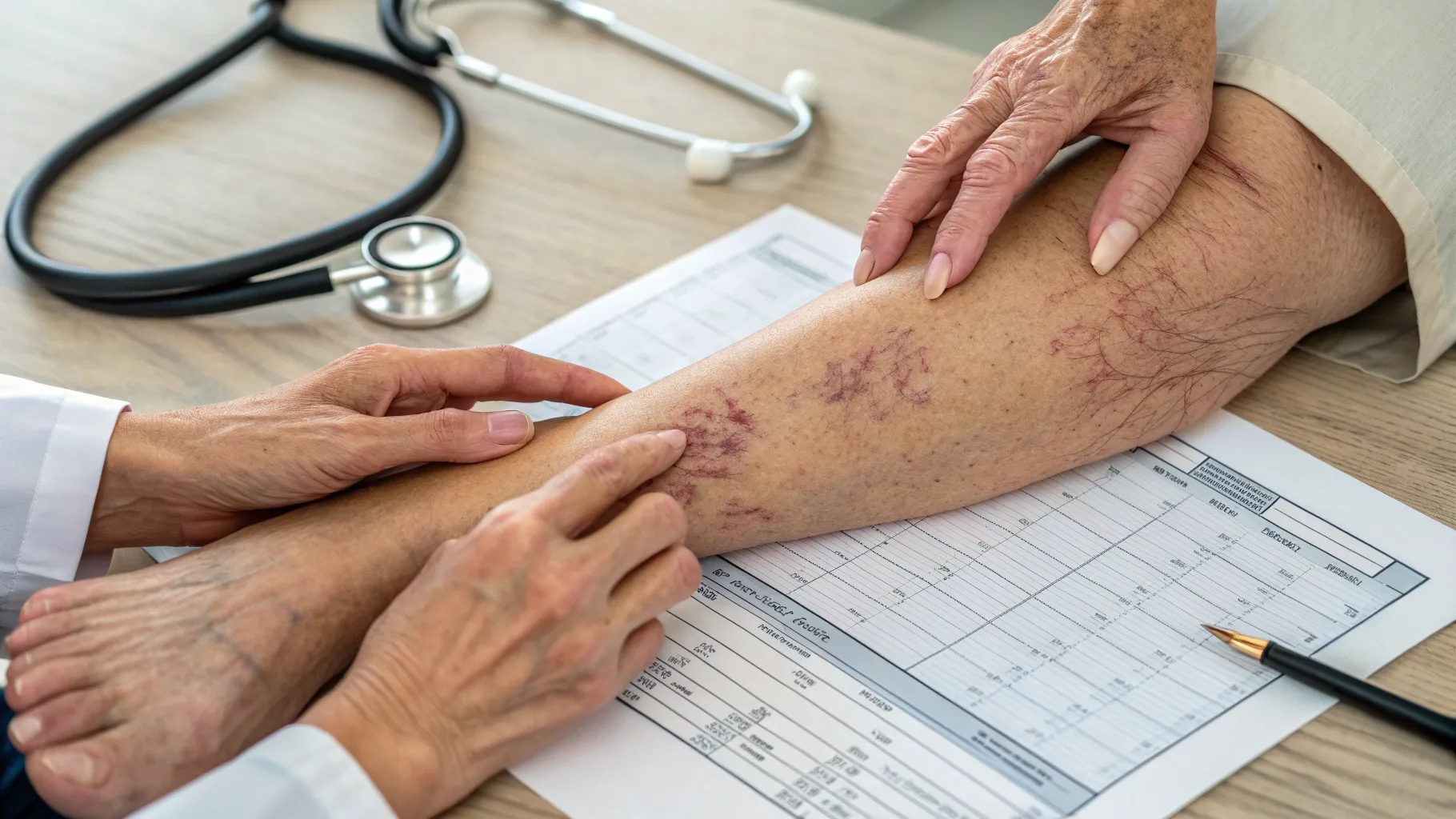
- Skin Discoloration: The impacted area may show signs of redness or a bluish tint and could feel warm to the touch.
- Difficult Breathing: If a clot travels to the lungs, symptoms can manifest as sudden shortness of breath or chest pain, a potentially life-threatening situation.
- Rapid Heart Rate: An increased heartbeat may signal that the body is in distress due to a clot.
Individual symptoms vary widely; some people might not show any signs at all, complicating the challenge of early identification.
Enhancing Awareness of Blood Clot Symptoms
Being vigilant about blood clot signs can be challenging but achievable with certain strategies:
- Understand Your Risk Factors: Those with prolonged immobility, such as long flights or extended periods of sitting, obesity, recent surgeries, or a family history of clotting disorders may have an increased risk.
- Regular Health Monitoring: If at risk, examine your extremities for signs of swelling, warmth, or discoloration regularly.
- Stay Active: Engage in physical activities to improve blood circulation; avoid remaining sedentary for long stretches.
- Hydration Matters: Drinking sufficient water keeps the blood less viscous and lowers the likelihood of clot formation.
By staying informed and proactive, individuals improve their chances of recognizing potential blood clot symptoms and seeking necessary medical help.
Vital Insights on Sudden Blood Clot Symptoms
As the healthcare industry emphasizes awareness, the statistics are alarming yet enlightening. Roughly 300,000 to 600,000 cases of DVT and pulmonary embolism are diagnosed annually across the United States. Current studies reveal an undeniable connection between public understanding of risk factors and symptom recognition, leading to decreased rates of complications related to blood clots.
Case Studies Reflecting the Importance of Awareness
To highlight the critical impact of recognizing blood clot symptoms, consider the following real-world examples from the last six months:
- Case Study 1: A 32-year-old woman flying for hours developed sudden swelling in her leg accompanied by sharp chest pain. Acknowledging the signs, she quickly sought medical assistance where imaging confirmed a pulmonary embolism obstructing blood flow to her lungs.
- Case Study 2: An elderly man recovering from knee surgery experienced unusual leg pain, initially dismissed as normal. Upon further consultation, he learned he had DVT, showcasing heightened risks post-surgery.
Both of these individuals benefitted from swift action, emphasizing the importance of awareness and quick response. When medical professionals can intervene early, the likelihood of favorable outcomes increases significantly.
Initiatives Promoting Blood Clot Awareness
In 2025, a variety of initiatives are underway to bolster public awareness regarding blood clots. Healthcare providers actively employ technology and mobile apps designed to educate patients about symptoms and risks. Additionally, targeted awareness campaigns focus on communities with higher risk factors for DVT and pulmonary embolism, advocating a proactive health stance.
Recognizing the early symptoms of blood clots is both a personal responsibility and a collective effort. Enhanced awareness can empower individuals to advocate for their health, potentially averting dire consequences. With knowledge, the ability to address health concerns like blood clots improves significantly, paving the way for a healthier future.
By promoting holistic understanding and vigilance, society can combat what could be life-threatening conditions and foster healthier communities.