Recognizing Early Warning Signs of Stroke Symptoms
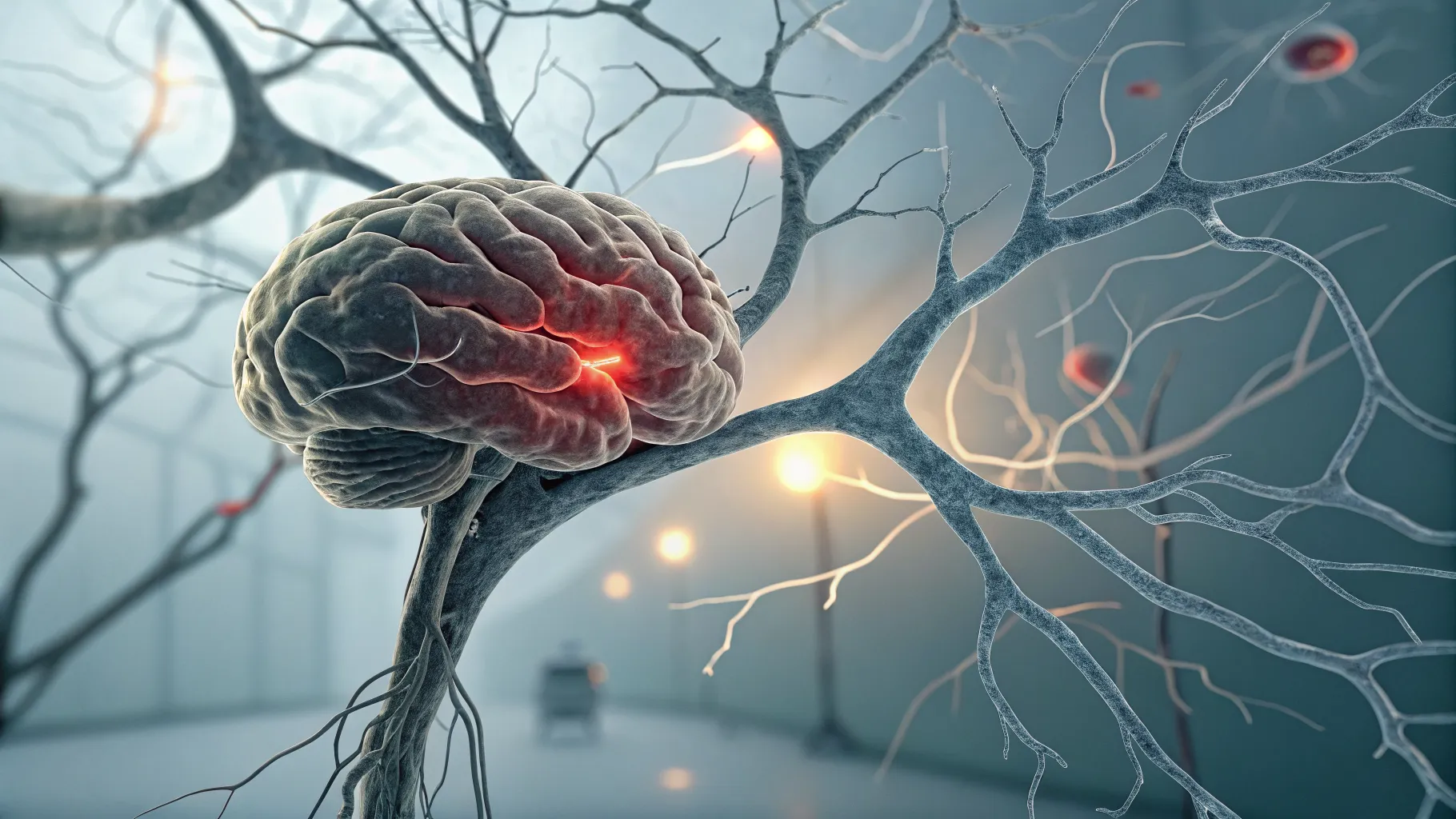
Recognizing Early Warning Signs of Stroke
Stroke remains one of the leading causes of serious long-term disability around the world, with millions affected each year. As we navigate through 2025, the greater emphasis on stroke awareness is more critical than ever. Recognizing the early warning signs of stroke can mean the difference between life and death. Understanding these vital symptoms can not only prompt timely medical intervention but can also significantly improve recovery outcomes for stroke victims.
Understanding Stroke Symptoms Explained
Strokes primarily occur when blood flow to the brain is interrupted, which can happen due to a clot or a ruptured blood vessel. There are two dominant types: ischemic strokes, which constitute about 87% of cases, and hemorrhagic strokes, resulting from bleeding within the brain. Although the triggers differ, the early warning signs often appear remarkably similar and are crucial for prompt recognition.
According to recent data, about 795,000 individuals in the United States will experience a stroke annually. Alarmingly, many of these strokes are preventable, underscoring the necessity of public education regarding the warning signs and the appropriate responses.
- Sudden Numbness or Weakness: This symptom typically manifests on one side of the body, affecting the face, arm, or leg. For example, if a person struggles to lift one arm or exhibits an uneven smile, these could be dangerous indicators of a stroke.
- Confusion or Difficulty Speaking: Be on the lookout for sudden trouble comprehending speech or slurred words. A person may struggle to follow a conversation or articulate thoughts clearly.
- Trouble Seeing: Vision problems during a stroke may present as blurry or double vision or even the inability to see out of one or both eyes.
- Loss of Balance or Coordination: In such situations, the affected individual might have issues with walking, experience dizziness, or lose their overall sense of balance.
- Severe Headache: A sudden headache, unique in its intensity and with no discernible cause, could indicate a hemorrhagic stroke and must be taken seriously.
Stroke Awareness Guide for Everyone
To facilitate the identification of these critical signs, the FAST acronym serves as an essential memory aid:
- F - Face: Encourage the person to smile. Observe closely for any drooping on one side of the face.
- A - Arms: Request that they raise both arms. If one arm drifts downward, it's a warning sign.
- S - Speech: Ask them to repeat a simple phrase. If their speech seems slurred or odd, this is concerning.
- T - Time: Should any of these signs be present, it's vital to call emergency services right away.
Statistics show that every minute a stroke victim goes untreated, they can lose roughly 1.9 million neurons. This fact highlights why getting immediate medical attention is crucial for the best recovery odds. Quick recognition and response can literally save lives.
To enhance stroke awareness, it’s essential not only to understand these signs individually but to also spread this knowledge within communities. When friends and family are informed, they can act swiftly in emergencies, potentially preventing devastating outcomes.
Neurological Health and Stroke: What You Should Know
Maintaining optimal neurological health plays a key role in preventing strokes. As of 2025, experts recommend several lifestyle modifications aimed at mitigating stroke risks:
- Control Blood Pressure: High blood pressure is one of the most significant risk factors. Regular monitoring can contribute to effective management.
- Diabetes Management: Keeping blood sugar levels within a healthy range is critical, as poorly managed diabetes significantly increases stroke risk.
- Healthy Diet: Emphasizing a diet rich in fruits, vegetables, whole grains, and lean proteins strengthens cardiovascular health and lowers stroke risk.
- Exercise Regularly: Engaging in even moderate physical activities, such as walking or cycling, can greatly reduce the likelihood of a stroke.
- Avoid Smoking and Limit Alcohol: Both smoking and excessive alcohol consumption dramatically raise stroke risks.
Recent research underscores that inactivity correlates strongly with cardiovascular disease and an elevated stroke risk. Promoting active lifestyles has become increasingly crucial as healthcare professionals advocate for regular movement throughout each day.
No matter your age, understanding stroke's early warning signs is paramount—not just for your own health but for the well-being of those around you. As we learn more about how lifestyle choices influence neurological health, the message remains urgent: acting promptly when symptoms arise can be life-saving.
Awareness campaigns throughout 2025 are ramping up efforts to raise public consciousness about strokes and their signs. Schools and community organizations are pivotal in spreading vital information, as recognition of stroke symptoms often dictates immediate action.
By promoting stroke awareness, we arm ourselves with essential knowledge that empowers swift responses during emergencies. In the context of a possible stroke, remember, time lost equals brain lost. Learning, sharing, and taking action can change lives. Make it your mission to stay informed and educate others, for you never know whose life may depend on that valuable knowledge.