Recognizing Early Signs of Amyloidosis Symptoms
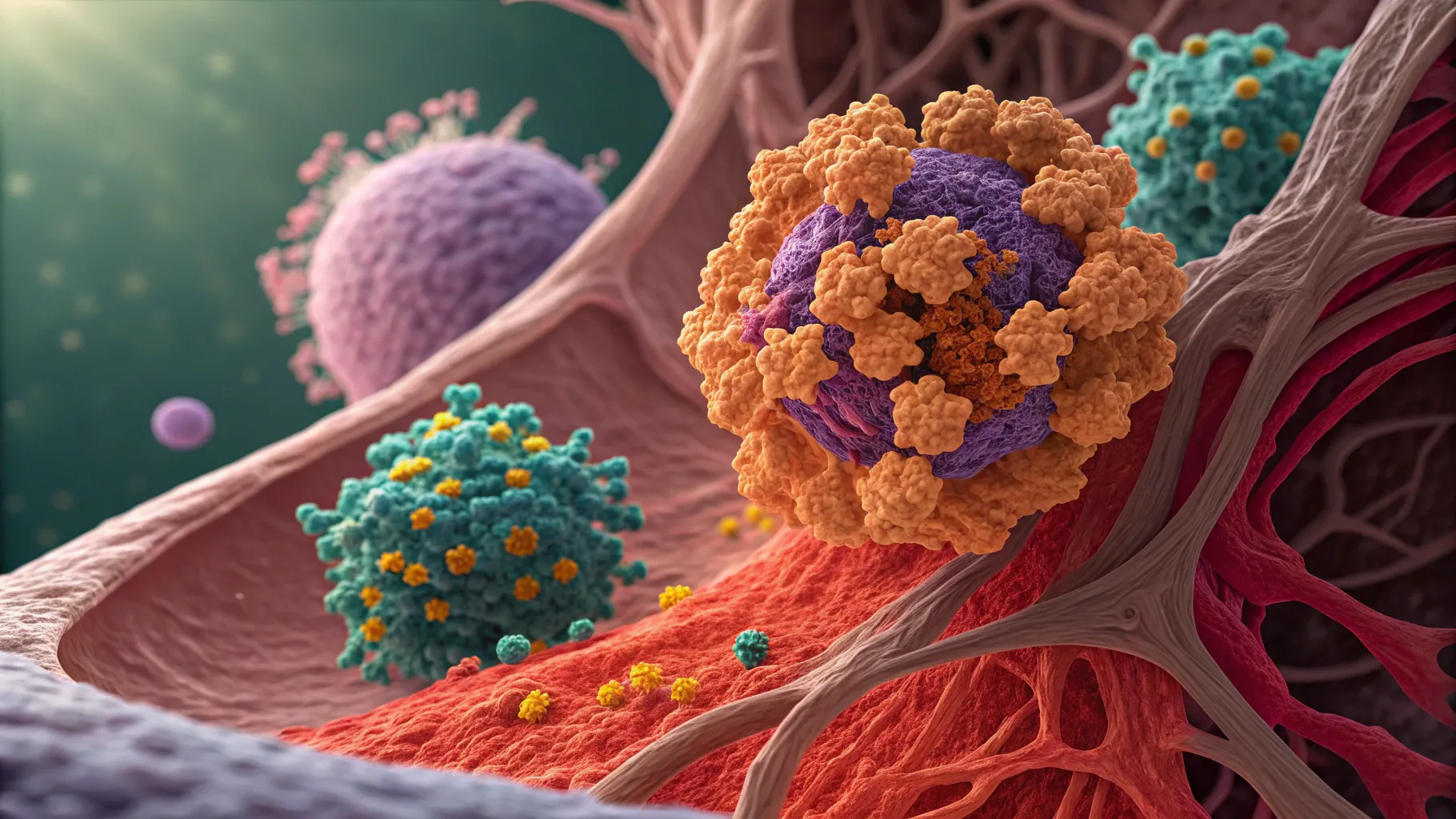
Amyloidosis Early Signs: Understanding and Recognizing Symptoms
Amyloidosis is a rare but serious condition that arises when amyloid proteins accumulate in the organs and tissues of the body. This buildup can cause various health issues, making early detection critical for effective management. Understanding amyloidosis early signs is essential, as early intervention can significantly improve outcomes. In this article, we will delve into the early signs of amyloidosis, explore how it affects the body, and provide insights on recognizing these symptoms sooner rather than later.
Early Signs of Amyloidosis
Diagnosing amyloidosis early can prove challenging due to its insidious onset and nonspecific symptoms. However, being vigilant about the signs can facilitate prompt medical attention. Here are some of the key early symptoms you should not overlook:
- Unexplained Fatigue: Persistent fatigue, even after a night of good sleep, is often one of the first signs of amyloidosis. This debilitating tiredness can arise from the body's struggles as amyloid proteins interfere with normal tissue and organ function.
- Swelling in Extremities: Many individuals report swelling in their ankles and legs, known as edema. This excess fluid retention frequently occurs due to amyloid deposits affecting the kidneys, impairing their ability to filter and regulate fluid.
- Unintentional Weight Loss: A notable decrease in weight without any dietary changes can be a critical red flag. Amyloid deposits in the gastrointestinal tract may disrupt nutrient absorption, leading to weight loss.
- Numbness or Tingling: Peripheral neuropathy is common in amyloidosis patients. Damage to peripheral nerves can result in sensations like numbness, tingling, or pain, particularly in the hands and feet.
While each of these symptoms may appear harmless individually, their presence together may warrant further investigation by a healthcare professional.
How Amyloidosis May Affect the Body
Amyloidosis can impact various organs, with the repercussions determined by the specific type and extent of amyloid deposition. Understanding these effects can help in early recognition and management:
- Heart: When amyloid proteins accumulate in the heart muscle, this can lead to amyloid cardiomyopathy, which poses symptoms such as shortness of breath, palpitations, and even chest pain. The heart's ability to pump effectively can be severely compromised.
- Kidneys: Renal involvement is a serious complication, where amyloid deposits can lead to conditions like proteinuria—excess proteins in the urine—potentially resulting in kidney failure if not managed appropriately.
- Gastrointestinal Tract: Amyloidosis can hinder proper digestion, causing various gastrointestinal symptoms. Patients may experience diarrhea, constipation, or a feeling of fullness despite eating small amounts.
- Liver: Amyloid deposits may cause hepatomegaly, or liver enlargement, leading to the organ functioning less effectively, which could disrupt metabolism and nutrient processing.
The impact of amyloidosis is considerable. Take, for instance, the recent case of a 60-year-old woman who reported chronic fatigue and mild swelling in her legs. By the time she was diagnosed with AL amyloidosis, assessments revealed her heart and kidneys had already begun to show signs of compromise.
Recognizing Symptoms Earlier
Identifying those early signs of amyloidosis is vital for timely diagnosis and treatment. Here are some practical tips to help spot these symptoms sooner:
- Monitor Symptoms: Keeping a daily journal can be immensely helpful. Document fluctuations in energy levels, visible swelling, or any unusual sensations. These records can be pivotal during consultations with healthcare providers.
- Stay Informed: Knowledge is power. Familiarize yourself with the symptoms of amyloidosis and related conditions by exploring reputable resources, attending symposiums, or joining support groups.
- Seek Regular Check-Ups: Regular medical examinations can catch potential issues before they escalate. This is particularly crucial for individuals with a family history of amyloidosis or auto-immune conditions.
Open communication with healthcare professionals is crucial. Recent advancements highlight that doctors today are equipped with more tools to detect amyloidosis earlier and more accurately than in previous years.
Real-World Impact of Early Detection
Consider the real-world scenario of Robert, a vibrant 58-year-old man with no significant medical history. He started noticing a progressive decrease in his energy levels, which he initially attributed to aging. However, after attending a community health fair focusing on amyloidosis, he became aware of his symptoms' potential implications. Seeking further medical advice led to a swift diagnosis, and treatment interventions commenced promptly. His proactive approach not only improved his health trajectory but also allowed him to maintain his active lifestyle.
Similar situations are becoming more common as awareness rises, emphasizing the critical role of recognizing and addressing symptoms early on.
Innovation in Amyloidosis Treatment
The landscape of amyloidosis treatment is rapidly evolving, offering hope to those affected. Recent breakthroughs in targeted therapies have shown promising outcomes. In fact, a study published just last month indicated a significant increase in survival rates for patients diagnosed with amyloidosis showing substantial organ involvement.
The researchers reported that early intervention and tailored treatment plans are crucial. They underscore the importance of ongoing monitoring and adjustments in therapy to optimize patient outcomes. Additionally, educational initiatives are being developed to ensure patients and healthcare providers are equipped with critical information to tackle this complex condition.
The world of amyloidosis research remains vibrant, with numerous clinical trials investigating potential treatments and examining genetic factors that might contribute to the disease. The ongoing studies are not only enhancing treatment protocols but also fostering a deeper understanding of the condition, setting the stage for improved awareness and management of early signs.
As we advance further into 2025, it is essential to maintain awareness of the early signs of amyloidosis. By recognizing these symptoms, individuals can take essential steps toward proactive care, ultimately leading to better health outcomes and a renewed sense of hope.