Recognizing 10 Signs of Kidney Disease for Early Detection
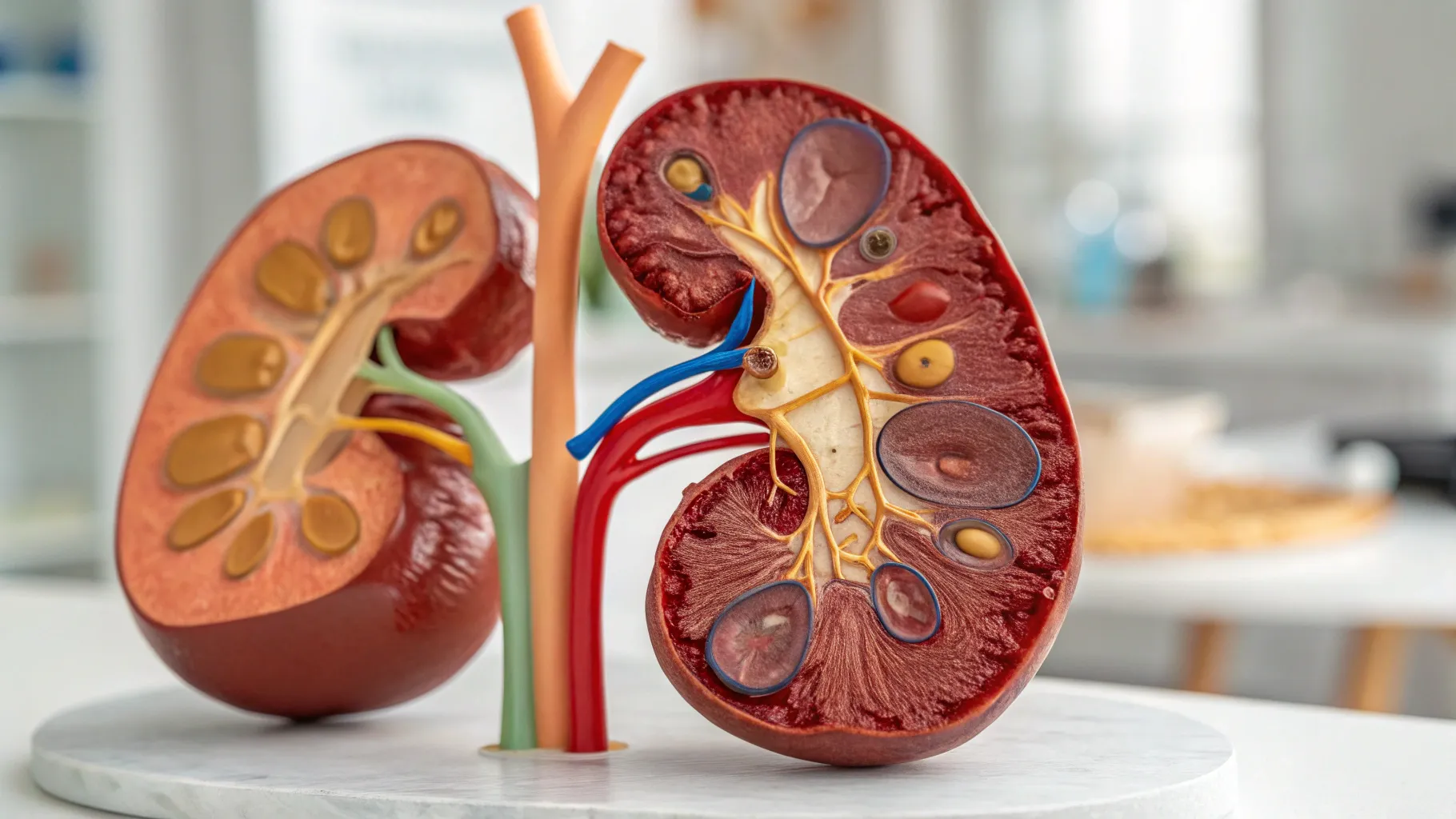
10 Signs of Kidney Disease
Kidney disease is a silent condition that can gradually worsen without noticeable symptoms, making it essential for everyone to understand the 10 kidney problem signs. According to recent studies, millions of people globally are affected by kidney issues, yet many remain undiagnosed. In this article, we will discuss the key signs and symptoms associated with kidney disease and what you should watch for to maintain healthy kidneys.
Understanding Kidney Problems
The kidneys play a vital role in filtering waste products and excess fluid from the blood, balancing electrolytes, regulating blood pressure, and producing hormones that are essential for red blood cell production. When the kidneys start to fail, these functions are compromised, which can lead to serious health complications. Recent statistics indicate that around 15% of adults in the United States have some form of kidney disease, many of whom are unaware of their condition.
Common Kidney Issues to Look Out For
Being vigilant about potential kidney issues can lead to early detection and better management of the disease. Here are 10 kidney symptoms you should pay close attention to:
- Frequent Urination: If you're finding yourself running to the restroom more often than usual, especially at night (nocturia), it may indicate a problem with your kidneys.
- Changes in Urine Color: Dark, cloudy, or blood-tinged urine can be a sign of kidney issues. Healthy urine is typically light yellow.
- Swelling in the Body: If you notice swelling in your hands, feet, or around your eyes, this could mean your kidneys are not adequately removing excess fluid.
- Fatigue and Weakness: Feeling unusually tired or weak can be associated with kidney disease, as the kidneys are less able to produce erythropoietin, leading to anemia.
- Shortness of Breath: Fluid buildup in the lungs due to kidney problems can lead to breathing difficulties, which may be mistaken for other conditions.
- High Blood Pressure: Kidneys help regulate blood pressure and can be both a cause and effect of kidney disease.
- Back Pain: Persistent pain in the back or sides, especially underneath the ribs, might signal kidney stones or other kidney issues.
- Skin Rash and Itching: The buildup of waste products in the blood can result in itchy skin and rashes, which are uncomfortable.
- Metallic Taste in Mouth: Some individuals experience a change in taste due to waste buildup, leading to a metallic taste and loss of appetite.
- Nausea and Vomiting: As toxins build up, it can lead to gastrointestinal upset, causing nausea and vomiting, especially in advanced kidney disease.
Early Kidney Signs: What Should You Do?
Recognizing these early kidney signs is crucial for timely intervention. If you identify any of these symptoms, it’s important to schedule an appointment with your healthcare provider as soon as possible. They may perform a combination of blood tests, urine tests, and imaging studies to evaluate your kidney function.
In recent months, healthcare providers have focused on increasing awareness and education surrounding kidney health. New guidelines recommend regular screening for at-risk populations, especially those with diabetes or high blood pressure, to detect kidney disease early.
Moreover, staying proactive about kidney health involves understanding risk factors. Diabetes and high blood pressure are the two leading causes of kidney disease, but conditions like heart disease, age, obesity, and a family history of kidney problems can significantly increase your risk.
Real-Life Case Study
Just last year, a 45-year-old woman diagnosed with type 2 diabetes discovered she had chronic kidney disease (CKD) during a routine checkup. Despite having no overt signs of kidney issues, regular screenings revealed slowly declining kidney function. Thanks to early detection, she was able to implement lifestyle changes, including a healthier diet and increased physical activity, which helped manage both her diabetes and kidney health effectively.
Her case emphasizes the importance of regular screenings, particularly for individuals with existing health conditions that can contribute to kidney disease.
Being Proactive About Kidney Health
Staying informed about the common kidney issues and understanding the signs of kidney problems can truly make a difference in how we manage our health. Lifestyle choices play a significant role in maintaining kidney health. Here are several proactive steps you can take:
- Stay Hydrated: Drink plenty of water to help your kidneys function efficiently.
- Eat a Balanced Diet: Focus on nutrient-rich foods, such as fruits, vegetables, low-fat dairy, and lean proteins while limiting salt and processed foods.
- Exercise Regularly: Aim for at least 150 minutes of moderate exercise weekly to help manage your weight and blood pressure.
- Avoid Smoking and Limit Alcohol Intake: These substances can harm your kidneys and overall health.
- Manage Chronic Conditions: Keep your diabetes, blood pressure, and cholesterol under control with the help of your healthcare provider.
It is essential to listen to your body and communicate any changes in your health to your doctor. With growing awareness and education surrounding kidney disease in recent months, more individuals are recognizing the importance of early detection and intervention in managing kidney health effectively.
Remember, your kidneys are crucial to your entire body’s well-being. By paying close attention to the signs of kidney disease and making proactive lifestyle choices, you can ensure that your kidneys remain healthy and functional for years to come.