Recognize Warning Signs of a Leaky Heart Valve Today
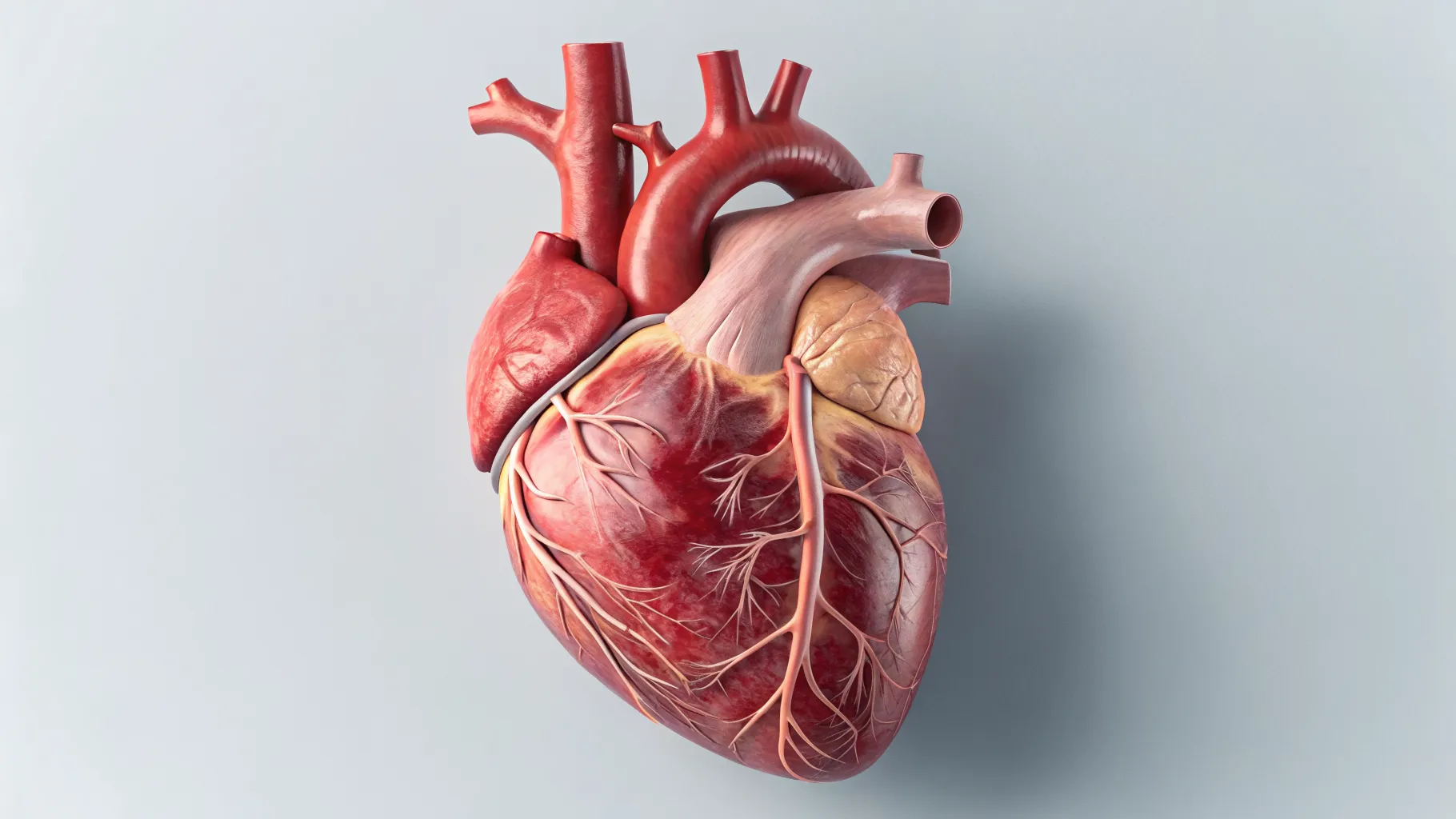
Warning Signs of Leaky Heart Valve What You Should Know
Leaky heart valves, also known as valvular insufficiency, occur when the valves in your heart fail to close completely. This condition causes blood to flow backward into the heart chambers, leading to increased workload for the heart. If left untreated, leaky valves can cause serious complications like heart failure and heart rhythm problems. Being aware of the warning signs of a leaky heart valve is essential for early diagnosis and treatment. Symptoms often develop gradually, sometimes being mistaken for less serious ailments, which is why vigilance is crucial.
Identifying the Symptoms of Heart Valve Problems
Recognizing the symptoms of heart valve problems is vital for initiating timely medical intervention. Here are some common indicators that might suggest a leaky heart valve:
- Shortness of Breath: Feeling breathless during routine activities or even at rest can be a sign of valve dysfunction. This symptom may intensify with exertion or when lying down.
- Fatigue: If you find yourself inexplicably tired after minimal activity, it could be related to a leaky valve. This fatigue often stems from the heart’s inability to pump effectively.
- Heart Palpitations: Experiencing irregular heartbeats or a racing heart can indicate that the heart is struggling, usually due to improper valve closure or leakage.
- Swelling: Unexplained swelling in the legs, ankles, or abdomen is often a sign that fluid is being retained because the heart isn’t functioning as it should.
- Dizziness or Fainting: Frequent dizziness or episodes of fainting may suggest that the heart isn’t supplying enough blood to the brain, a potential consequence of valvular issues.
A recent study published in early 2025 found that nearly 30% of older adults experience some form of valvular heart disease. Among them, shortness of breath and persistent fatigue were noted as primary complaints, underscoring the need for awareness of symptoms.
How to Detect a Leaky Heart Valve
Understanding how to notice a leaky heart valve involves being proactive about your health. Here are some additional steps for detection:
- Regular Checkups: Annual medical checkups should include cardiovascular evaluations. Physicians often check for abnormal heart sounds using a stethoscope, which can reveal potential valve problems.
- Echocardiogram: This ultrasound technology provides detailed images of the heart’s structure, helping healthcare professionals to assess both the heart valves and their function accurately.
- Electrocardiogram (ECG): An ECG records the heart's electrical activity and can highlight rhythm issues possibly caused by valvular concerns.
- Chest X-ray: A chest X-ray can show heart enlargement, a common sign of underlying valve issues, helping to confirm suspicions raised during checkups.
One remarkable case surfaced in late 2024 involving a 67-year-old man who applied a wait-and-see approach regarding his fatigue. Fortunately, during a routine assessment, doctors discovered he had severe aortic regurgitation, a severe form of a leaky valve. Prompt intervention saved his life, dramatically improving his overall health and stamina.
Early Signs of Heart Valve Disease to Watch For
Heart valve disease can develop without noticeable symptoms for an extended time, so being aware of early signals is critical. Keep an eye out for:
- Unusual Feelings: If you regularly experience an uncomfortable heaviness in your chest or a feeling of pressure, don’t disregard these sensations. They could signal a valve issue.
- Persistent Cough: A cough that lasts for weeks or feels progressively worse can be a sign of fluid accumulating in the lungs, often due to inefficient heart function.
- Cold Extremities: If your arms and legs often feel cold or numb, it may indicate that blood is not circulating efficiently due to valve dysfunction.
According to the latest data from the American Heart Association, only about 50% of people with moderate to severe valve leakage recognize their symptoms. This alarming statistic emphasizes the importance of increased awareness and proactive health measures.
Diagnosis of Heart Valve Leakage
Diagnosing heart valve leakage typically encompasses a comprehensive approach:
- Medical History: Discussing your health background and any symptoms with your healthcare provider is crucial for forming a preliminary diagnosis.
- Physical Examination: During a physical exam, healthcare professionals will assess your pulse and blood pressure while listening carefully for unusual heart sounds that could indicate valve problems.
- Advanced Imaging: In complex or unclear cases, specialists may recommend advanced imaging techniques such as CT scans or MRIs, which provide deeper insights into both heart function and structure.
Additionally, the advancements in monitoring technology in recent months have brought about the introduction of wearable heart monitors. These devices can notify users of irregular heart rhythms, which may indicate underlying valve issues even before any physical symptoms appear.
Awareness of the warning signs of leaky heart valves, combined with a commitment to regular health evaluations, plays a critical role in maintaining cardiovascular health. If you or someone close to you is displaying the symptoms outlined above, consulting a healthcare professional promptly for assessment and diagnosis is vital. Ignoring potential signs could lead to significant health complications, including heart failure. Stay vigilant about your health and continue to educate yourself about your heart's well-being!