Recognize Stroke Symptoms Early for Better Recovery
Understanding the Symptoms of Stroke
Stroke is one of the leading causes of death and disability worldwide, impacting millions of lives every year. Recognizing the symptoms of stroke quickly can be the difference between recovery and long-term disability, or even death. It’s crucial to understand the early signs of stroke so that immediate action can be taken.
In fact, as of 2025, studies show that approximately 795,000 people in the United States alone suffer a stroke each year. Out of these, nearly 610,000 are first or new strokes, highlighting the urgency for public awareness on recognizing stroke symptoms.
Common Stroke Warning Signs
The symptoms of stroke typically occur suddenly and can vary based on what part of the brain is affected. Various organizations emphasize remembering the acronym FAST to identify stroke symptoms:
- F - Face Drooping: One side of the face may droop or feel numb. Ask the person to smile; if they smile unevenly, it’s a warning sign.
- A - Arm Weakness: The person may experience weakness or numbness in one arm. Ask them to raise both arms; if one drifts down, this is concerning.
- S - Speech Difficulty: Slurred speech or difficulty speaking can occur. If they cannot speak clearly or seem illogical, this is alarming.
- T - Time to Call Emergency Services: If any of these symptoms are present, call 911 or your local emergency number immediately.
In addition to the FAST symptoms, there are other indications that can signify a stroke:
- Sudden confusion or trouble understanding
- Sudden trouble seeing in one or both eyes
- Sudden dizziness, loss of balance, or lack of coordination
Recognizing these symptoms swiftly can significantly improve the chances of a favorable outcome.
Statistics and Case Studies
As of late 2024, recent findings by the American Heart Association emphasize how stroke treatment within the first hour can save lives. For instance, a case in New York last fall involved a 67-year-old woman who exhibited classic stroke symptoms while gardening. Thanks to her neighbors recognizing the signs and calling for help immediately, she received timely medical intervention. This quick action allowed for a more successful recovery with minimal side effects.
According to the CDC, more than 75% of strokes occur in people aged 65 or older, but younger individuals can also be affected, especially those with risk factors like high blood pressure or diabetes. A significant number of strokes involve lifestyle choices; in young adults, excessive alcohol consumption and smoking are notable contributors.
Risk Factors Associated with Stroke
Understanding the risk factors associated with stroke is essential for both prevention and management. Here’s a breakdown of key factors:
- High Blood Pressure: Often regarded as the leading cause of strokes, managing your blood pressure can significantly decrease stroke risk.
- Heart Disease: Conditions like coronary artery disease or atrial fibrillation can lead to strokes due to weakened fibers in the arteries.
- Obesity: A higher body mass index (BMI) is associated with increased stroke risk, particularly in combination with other factors like high cholesterol.
- Diabetes: Diabetes can increase stroke risk as high blood glucose levels can damage arteries over time.
Moreover, lifestyle factors play a pivotal role. Regular exercise and a balanced diet low in saturated fats and sugars can mitigate these risk factors. The American College of Cardiology asserts that eating a Mediterranean diet can reduce stroke risk effectively.
What to Do If You Spot the Symptoms
If you notice someone experiencing stroke symptoms, don’t hesitate. Every minute counts when it comes to stroke treatment. The three main treatments often administered include clot-busting medications, surgical interventions, and supportive care in a hospital setting. The sooner treatment begins, the better the chances of recovery with minimal complications.
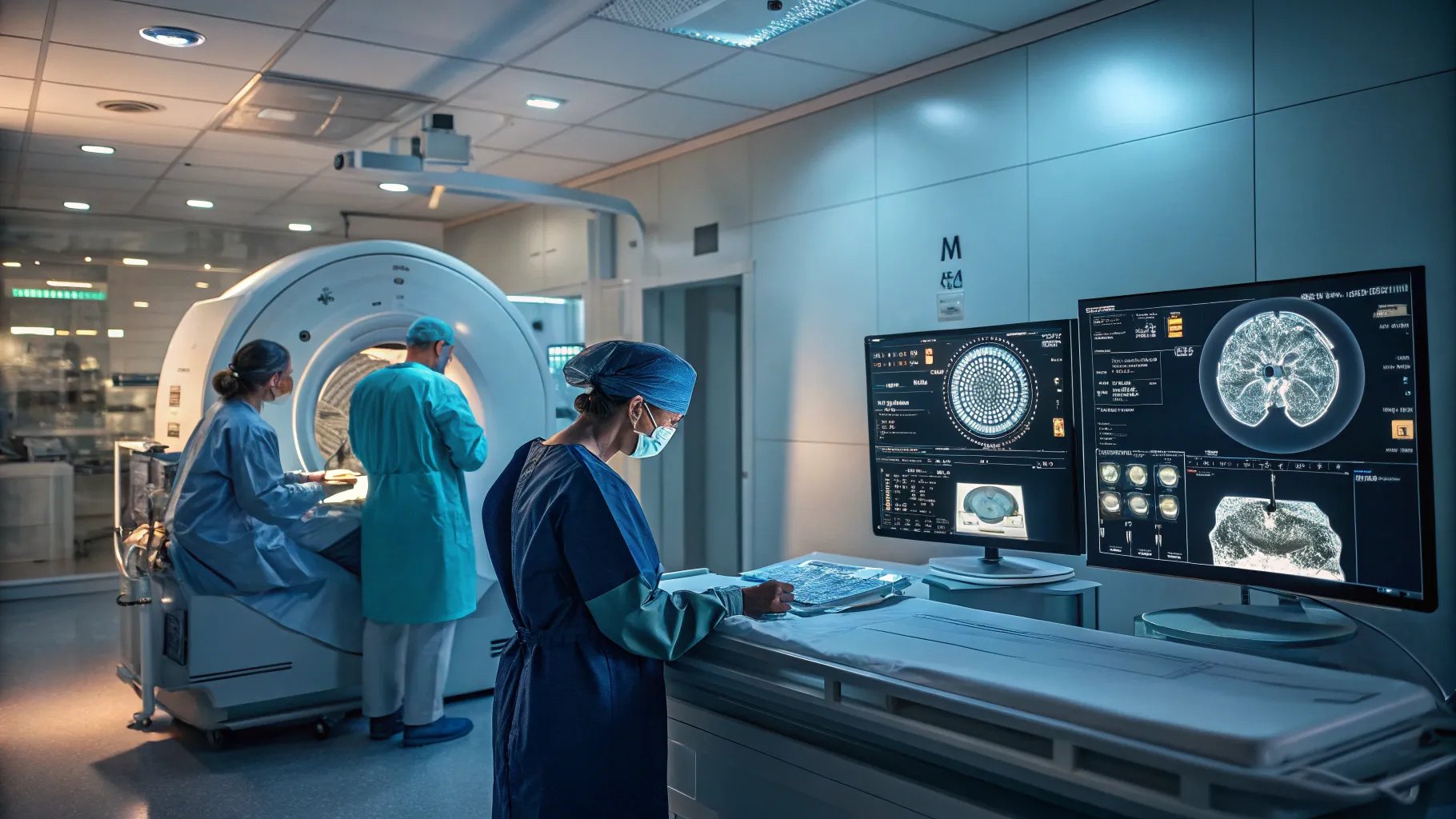
Emergency rooms prioritize stroke evaluations using advanced imaging techniques like CT scans or MRIs to delineate the stroke type—whether it is ischemic (caused by a blockage) or hemorrhagic (caused by bleeding). These evaluations lead to appropriate treatment plans that can significantly reduce the impact of the stroke's aftermath.
Long-Term Effects of Stroke
The aftermath of a stroke can lead to a variety of long-term effects, including physical and cognitive impairments. While some individuals may recover fully, others may face challenges in mobility, speech, and daily activities. The National Stroke Association highlights that many stroke survivors benefit from rehabilitation services that include physical, occupational, and speech therapies.
As we move through 2025, ongoing research continues to shed light on the best practices in stroke recovery and rehabilitation. Innovations in telemedicine have made it easier for patients to access their care teams, which can help maintain an essential connection for effective recovery.
As awareness of the symptoms of stroke continues to grow, we must all stay vigilant and informed. Understanding the early signs of stroke not only empowers individuals but can also save lives. Stay educated, stay healthy, and remember that when it comes to stroke, time is brain.