Recognize Early Signs and Symptoms of Blood Clots
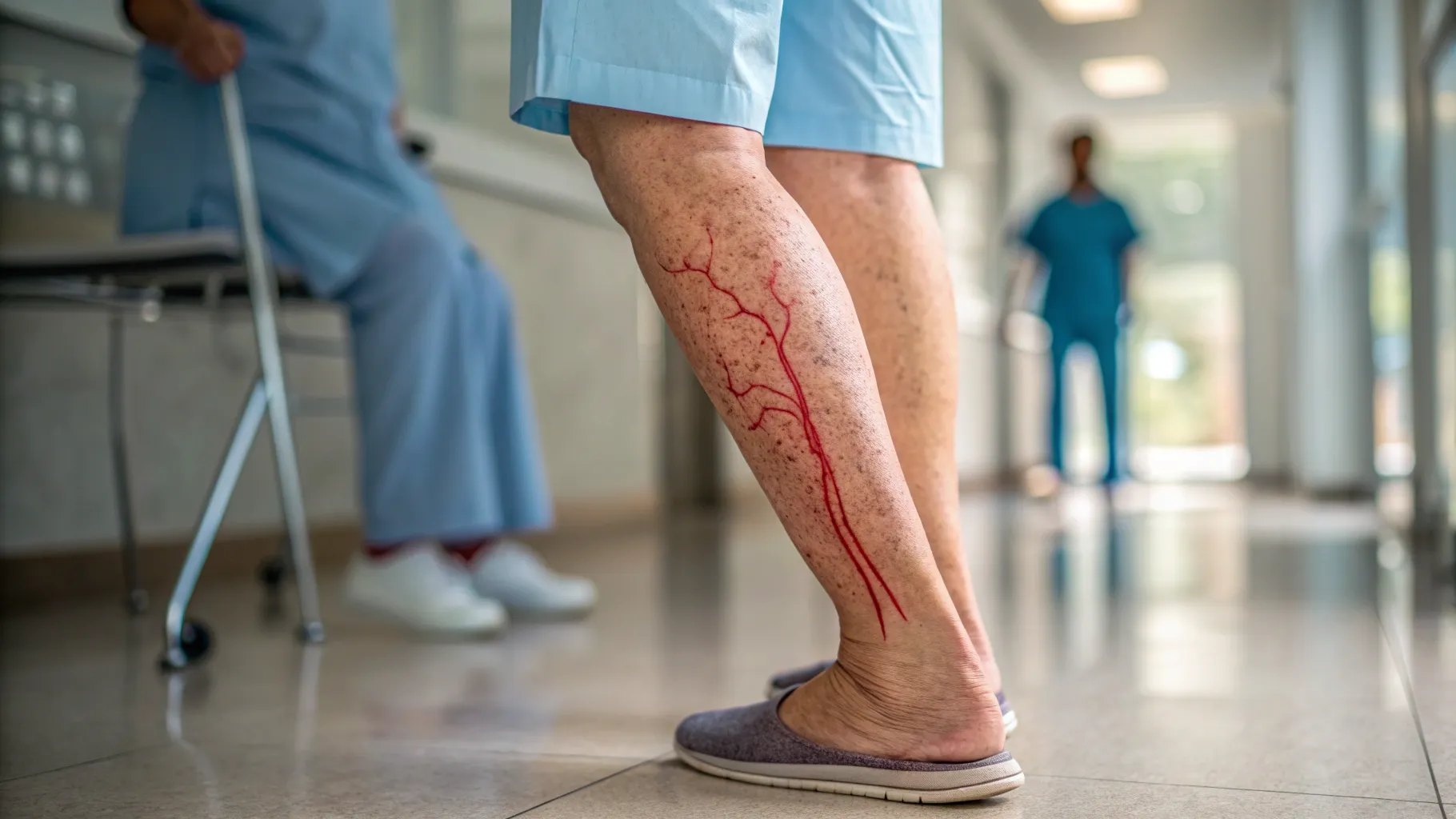
Understanding Early Signs and Symptoms of Blood Clots
Blood clots can be serious health concerns that require immediate attention. They occur when blood thickens and clumps together, forming a gel-like mass that can obstruct normal blood flow. In 2025, awareness around the early signs and symptoms of blood clots is more critical than ever, as more individuals are recognizing the importance of prompt medical intervention. Knowing how to recognize potential signs of blood clots can save lives.
Early Warning Signs of Blood Clots in the Body
Identifying the early warning signs of blood clots is essential for effective treatment and prevention of complications, such as pulmonary embolism. Common areas where blood clots may form include the deep veins of the legs, which leads to a condition called Deep Vein Thrombosis (DVT). Here are several key symptoms to be aware of:
- Pain or tenderness: One of the first signs of blood clots in the legs is a sudden pain, often described as cramping or soreness, particularly in the calf or thigh.
- Swelling: Unexplained swelling in one leg (or arm) can indicate the presence of a clot, usually noticeable around the ankle or foot.
- Warmth or redness: The area around the clot may feel warmer than surrounding skin and might display a reddish or bluish hue.
- Unexplained shortness of breath: This can be a sign of a clot that has traveled to the lungs, leading to a serious condition known as a pulmonary embolism.
- Rapid heart rate: An increased heart rate can accompany shortness of breath or chest pain, warranting immediate medical evaluation.
Common Areas Where Blood Clots May Form
It's crucial to note that while DVT most commonly affects the legs, blood clots can also form in other parts of the body. For instance, clots can develop in the arms, abdomen, or even in larger arteries, leading to severe outcomes. The following factors can increase your risk of developing blood clots:
- Immobilization: Remaining inactive for prolonged periods, such as during long flights or after surgery, can increase the likelihood of clot formation.
- Obesity: Excess body weight places additional pressure on veins, increasing the risk of clots.
- Certain medical conditions: Conditions such as cancer, heart disease, or a history of clotting disorders elevate a person’s risk.
- Hormonal changes: Use of certain hormone replacement therapies or birth control pills may also raise the risk.
- Age: Individuals over the age of 60 are at higher risk, although younger patients may also experience clots due to underlying conditions.
Being informed about these risk factors is vital for anyone who wants to take proactive steps in managing their health. For example, a recent report in mid-2025 noted that hospitalization rates related to blood clots have increased, highlighting the need for increased public awareness about awareness of symptoms.
How to Recognize Potential Signs of Blood Clots
To enhance awareness, understanding how to recognize the potential signs of blood clots can empower individuals to seek medical help sooner. Here are some practical tips for vigilance:
- Self-checks: Regularly assess your legs and arms for any unusual swelling or discoloration, especially after long periods of sitting or standing.
- Prioritize movement: If you have a sedentary lifestyle, committing to regular physical activity is essential. Even a simple stretch or walk every hour can significantly reduce your risk.
- Educate yourself: Familiarize yourself and your family with the symptoms and risks associated with blood clots. Shared knowledge leads to better awareness within communities.
- Check your medications: If you are on hormone therapies, discuss with your healthcare provider about the risks involved. Awareness of your medication’s potential side effects can aid in early detection.
In real-world examples, individuals sharing their personal stories about swift identification of their symptoms have led them to receive timely interventions. For instance, a 35-year-old woman recognized pain and swelling in her leg after a long flight, prompting her to seek medical attention. Doctors identified a DVT, which, if left untreated, could have escalated into life-threatening complications.
General Information on Blood Clot Symptoms and Awareness
Awareness campaigns continue to stress the importance of recognizing blood clot symptoms. In recent months, healthcare organizations have reported that public understanding of DVT and its symptoms has improved, contributing to reduced hospitalization rates among targeted populations. This increase in knowledge is crucial as health experts assert that early diagnosis can dramatically affect treatment outcomes.
Beyond DVT, secondary conditions such as Pulmonary Embolism (PE) should also be understood. PE occurs when a clot travels from the vein through the heart and into the lungs, potentially leading to sudden death if not addressed. The symptoms can include sharp chest pain, rapid breathing, and anxiety.
Certain lifestyle changes can contribute significantly to reducing the risk of blood clots. Maintaining a balanced diet, staying hydrated, and following prescribed treatment plans for chronic conditions are all integral to prevention. Regular check-ups can also provide opportunities for healthcare providers to discuss any potential clotting disorders that could be impacting your health.
Ultimately, gaining knowledge about early signs and symptoms of blood clots isn't just personal - it's a community effort to promote overall health and safety. Join the conversation, share experiences, and encourage those around you to stay vigilant, as the awareness is pivotal in combating this silent but serious health issue.