Proteinuria Causes: A Deep Dive into What Causes Protein in Urine
Facts:
- Proteinuria affects up to 10% of the general population.
- Early detection is trending for managing kidney disease.
Unraveling the Primary Drivers Behind Proteinuria
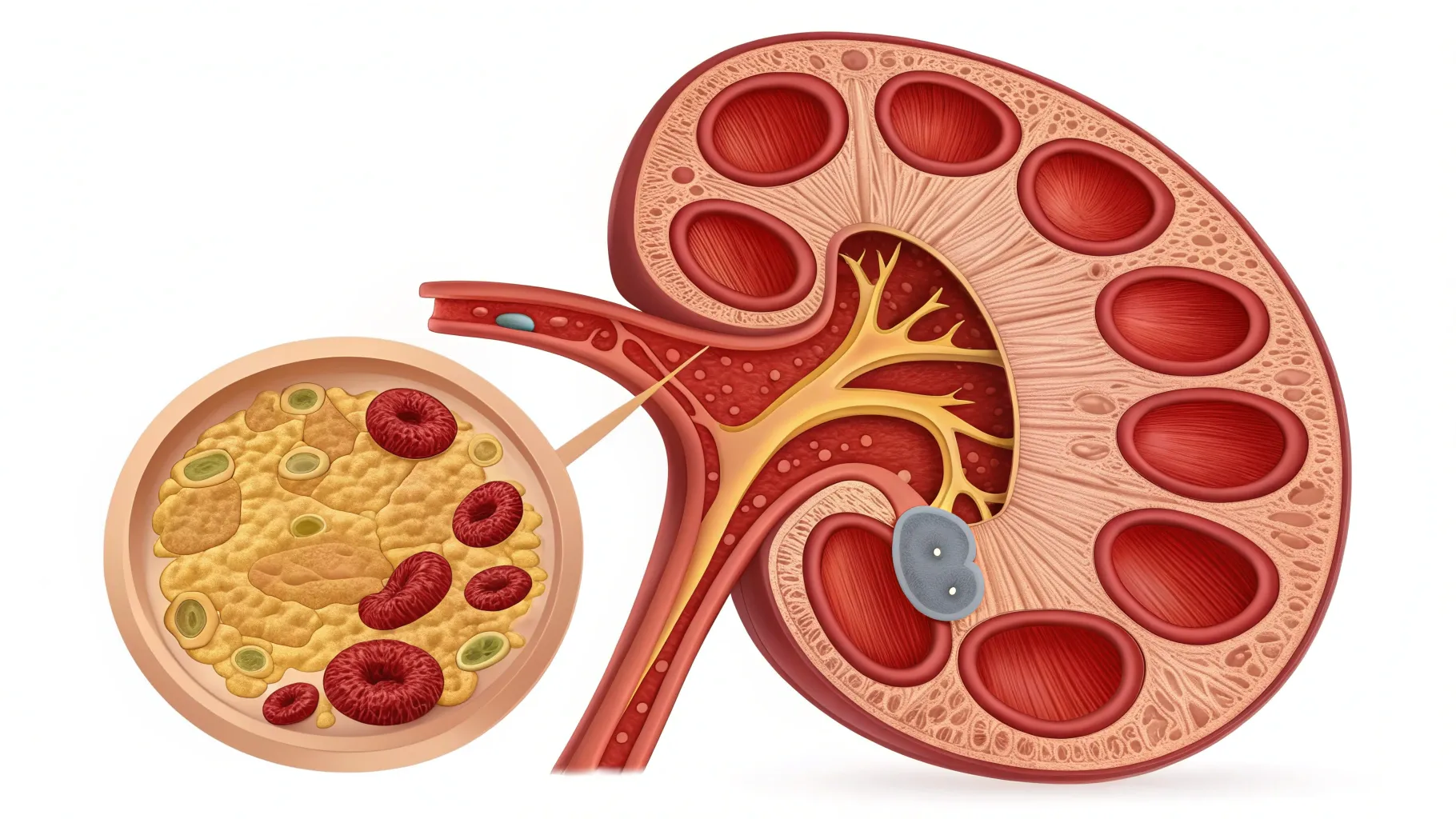
Protein in the urine, a condition known as proteinuria, is often a key indicator of underlying kidney issues. Healthy kidneys act as sophisticated filters, removing waste from the blood while retaining essential components like proteins, primarily albumin. When these filters, called glomeruli, are damaged, they can become too permeable, allowing protein to leak into the urine. A thorough understanding proteinuria causes is the first step toward effective diagnosis and management. The question of what causes protein in urine is complex, with reasons ranging from temporary physiological stress to chronic, progressive diseases. This guide will delve into the various factors, providing a comprehensive overview of the condition and exploring the link between proteinuria symptoms and causes, helping you identify potential red flags and understand when to seek medical advice.
Common Systemic Conditions Leading to High Protein in Urine
Often, proteinuria is not an isolated kidney problem but a symptom of a systemic disease affecting the entire body. Two of the most significant high protein in urine causes are diabetes and high blood pressure (hypertension). In diabetic nephropathy, high blood sugar levels over time damage the small blood vessels in the kidneys, impairing their filtering ability. Similarly, hypertension exerts excessive force on the arteries throughout the body, including those within the kidneys, leading to damage and protein leakage. Other systemic conditions include autoimmune diseases like lupus and vasculitis, where the body's immune system mistakenly attacks its own tissues, including the glomeruli. Identifying these systemic protein in urine reasons is crucial because managing the underlying condition is paramount to protecting kidney function and reducing proteinuria.
Kidney-Specific Protein in Urine Reasons
Beyond systemic diseases, many conditions directly originate within the kidneys themselves. Glomerulonephritis, which is inflammation of the glomeruli, is a significant cause. This inflammation can be triggered by infections, certain drugs, or genetic conditions, and it directly compromises the kidney's filtering membrane. Another primary renal issue is nephrotic syndrome, a disorder characterized by a group of symptoms including very high levels of protein in the urine, low protein levels in the blood, swelling (edema), and high cholesterol. Investigating these specific protein in urine reasons requires targeted diagnostic tests, such as kidney biopsies and specialized urine analyses, to determine the exact nature of the kidney damage. An accurate diagnosis is fundamental for developing an effective treatment plan aimed at preserving long-term kidney health.
Temporary vs. Chronic: Understanding Proteinuria Causes
It's important to differentiate between temporary (transient) and persistent proteinuria, as the implications are vastly different. A complete understanding proteinuria causes involves recognizing that not all instances of protein in urine signal chronic disease. Temporary proteinuria can be triggered by factors such as intense physical exercise, emotional stress, fever, or exposure to extreme cold. This type of proteinuria, often called orthostatic proteinuria, typically resolves on its own once the stressor is removed and is generally not a cause for concern. In contrast, persistent proteinuria is a consistent finding over multiple tests and almost always indicates an underlying medical condition, most often related to kidney damage. Distinguishing between these two is a critical diagnostic step for healthcare providers to avoid unnecessary alarm while ensuring that chronic conditions receive prompt attention.
Recognizing Proteinuria Symptoms and Causes
In its early stages, proteinuria may not present any noticeable symptoms. However, as the protein loss becomes more significant, certain signs may appear. One of the most common indicators is foamy or bubbly urine, caused by the excess protein interacting with air. As the condition progresses and large amounts of protein are lost from the blood, fluid can accumulate in the body, leading to swelling (edema) in the hands, feet, abdomen, and face. This link between proteinuria symptoms and causes is vital. The symptoms are a direct result of the underlying issue causing the protein leak. Other related symptoms can include frequent urination, shortness of breath, fatigue, and loss of appetite. If you experience any of these signs, especially foamy urine or swelling, consulting a doctor to investigate what causes protein in urine in your specific case is essential for early diagnosis and intervention.
Actionable Steps for Managing Proteinuria
Once proteinuria is diagnosed, the focus shifts to managing the underlying cause to protect the kidneys from further damage. The treatment strategy is highly dependent on the specific diagnosis. Here are some key actionable steps typically recommended:
- Control Blood Pressure: Medications such as ACE inhibitors and ARBs are commonly prescribed. They not only lower blood pressure but also have a protective effect on the kidneys, reducing the amount of protein that leaks into the urine.
- Manage Blood Sugar: For individuals with diabetes, tight glycemic control is fundamental. This involves regular monitoring, a managed diet, exercise, and appropriate medications to prevent further kidney damage, one of the leading high protein in urine causes.
- Dietary Adjustments: A nephrologist or dietitian may recommend a low-sodium diet to help control blood pressure and reduce fluid retention. In some cases, a moderate reduction in protein intake may also be advised to lessen the workload on the kidneys.
- Address Underlying Conditions: If proteinuria is caused by an autoimmune disease like lupus, treatment will focus on immunosuppressive medications to control the immune system's attack on the kidneys.
Frequently Asked Questions
What are the most common proteinuria causes?
The two most common causes of persistent proteinuria are diabetes and high blood pressure (hypertension). These conditions can damage the filtering units of the kidneys over time, leading to protein leakage. Other important protein in urine reasons include glomerulonephritis, autoimmune disorders, and certain infections.
Can stress cause high protein in urine?
Yes, temporary or transient proteinuria can be caused by physical or emotional stress, fever, and strenuous exercise. This form of proteinuria is usually benign and resolves on its own once the stressor is removed. Persistent proteinuria, however, requires medical investigation into other high protein in urine causes.
What are the primary symptoms to watch for?
Early on, there may be no symptoms. As more protein is lost, you might notice foamy or bubbly-looking urine. Swelling (edema) in the hands, feet, face, or abdomen is another key sign. A clear understanding of proteinuria symptoms and causes is important for knowing when to seek medical help.
How is proteinuria diagnosed?
Proteinuria is typically diagnosed with a simple urine test called a urinalysis. A dipstick test can provide a quick screening. If protein is detected, your doctor may order a 24-hour urine collection or a urine albumin-to-creatinine ratio (UACR) test to quantify the amount of protein and confirm the diagnosis while investigating what causes protein in urine.
References
- National Institute of Diabetes and Digestive and Kidney Diseases (NIDDK)
- American Kidney Fund (AKF)
- Journal of the American Society of Nephrology
- Clinical Practice Guidelines for Glomerular Diseases