Prostate Cancer Back Pain Causes Symptoms and Evaluation
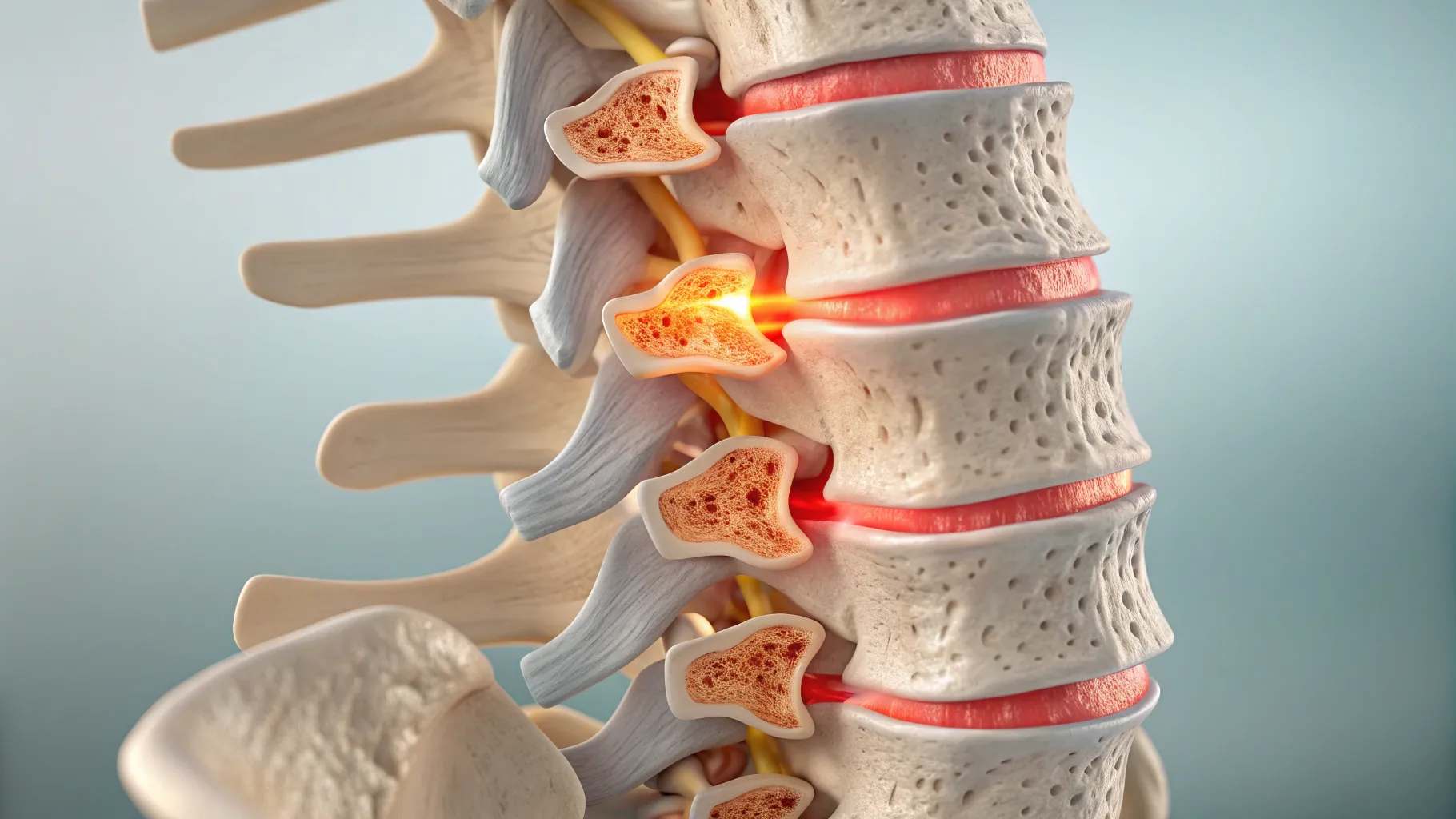
Understanding Prostate Cancer Causes and Back Pain
Prostate cancer stands as one of the most common cancer diagnoses among men today, with significant implications for both health and daily living. Recent statistics reveal that approximately 1 in 8 men will encounter a prostate cancer diagnosis during their lifetime. As awareness of this condition grows, many individuals are curious about the disease, particularly how it impacts various symptoms. One notable concern is the relationship between prostate cancer and back pain.
Can Prostate Cancer Cause Back Pain?
Yes, prostate cancer can indeed lead to back pain, especially in more advanced stages. When prostate cancer progresses or metastasizes, it can spread to the bones, particularly those in the spinal column, resulting in back discomfort. As highlighted in a comprehensive study published in late 2024, a significant number of patients diagnosed with metastatic prostate cancer reported back pain, underscoring the connection between these two health issues.
There are several ways back pain related to prostate cancer may manifest:
- Metastasis: When prostate cancer cells spread beyond the prostate to the spine, they can create painful and serious complications. Research indicates that about 70% of patients with advanced prostate cancer exhibit signs of bone metastases. This makes understanding bone health critical for patients undergoing treatment.
- Nerve Compression: Tumors can press against nearby nerves or related structures, mimicking symptoms commonly associated with sciatica or lower back problems. This pressure can lead to discomfort that may be mistaken for other conditions.
- Bone Pain: Prostate cancer is particularly known for causing significant pain that originates in the bones. Lower back pain is often exacerbated as the vertebrae may be affected, leading to a dull, aching sensation that can impact mobility and quality of life.
- General Fatigue: Many men experiencing prostate cancer also face chronic fatigue and weakness. These symptoms can change physical activity levels, which may unintentionally increase perceived back pain.
Recognizing Prostate Cancer and Its Pain Patterns
Understanding how prostate cancer can generate various pain patterns is complex and differs for each individual. Back pain, while not typically the first symptom of prostate cancer, often becomes more pronounced as the disease progresses. In fact, early-stage prostate cancer can be entirely asymptomatic, which is why regular screenings are essential for men, particularly for those over 50 or with a family history of the disease.
Patients often describe their back pain in various terms, from a lingering ache to a sharp, intense sensation that can be debilitating. Recent reports from early 2025 indicate that many individuals experiencing back pain related to prostate cancer have pointed out significant characteristics of their discomfort:
- Chronic Nature: Unlike a typical muscle strain, back pain linked to prostate cancer can persist over time, with many men noting that the severity of pain can escalate.
- Localized vs. Radiating Pain: While the pain is often concentrated in the lower back, some men experience discomfort that radiates into their hips or legs, occasionally making mobility a challenge.
- Response to Rest: Typically, pain from muscle strain improves with rest. However, prostate cancer-related back pain does not respond significantly to changes in posture or rest, highlighting the need for medical evaluation.
If you or a loved one is experiencing unexplained back pain, it’s crucial to seek medical advice. A healthcare provider can conduct a thorough examination to identify any underlying issues. With the increasing availability of advanced diagnostic measures, including PSA tests, imaging techniques like MRIs or CT scans, and bone scans, doctors can now assess prostate health more effectively than ever before.
Medical Evaluation of Prostate Cancer-Related Back Pain
Identifying the right time to pursue medical evaluation can be challenging, especially when symptoms can be ambiguous. However, if back pain is accompanied by other concerning symptoms, such as difficulty urinating, blood in urine, or unexpected weight loss, seeking medical intervention is imperative.
A comprehensive medical evaluation usually begins with a healthcare provider taking a detailed medical history alongside a physical examination. Following this process, they may recommend various tests to verify the presence of prostate cancer and understand its implications. The reliance on advanced imaging technology has expanded significantly in recent years, allowing for a more accurate assessment and timely intervention.
This intricate link between prostate cancer and back pain signifies the importance of a comprehensive approach to treatment, ensuring patients receive the best care possible. Many oncologists today collaborate across disciplines, merging the expertise of pain specialists, physical therapists, and palliative care to manage symptoms while addressing the primary cancer itself. For instance, pain management tactics may include medications, tailored physical therapy, or even palliative procedures aimed at alleviating bone pain.
Recognizing the association between prostate cancer and back pain is vital for prompt diagnosis and effective treatment. As the medical community continues to evolve, so does our understanding of how to better advocate for health and alleviate the challenges faced by those diagnosed with prostate cancer. In 2025, it’s clear that ongoing research and patient education are critical in improving the lives of men confronting this daunting diagnosis. Studying these connections helps establish not just better health outcomes but also enhances the quality of life for countless men navigating the complexities of prostate cancer.