Discovering Deals: Your Guide to Police Impound Motorcycles for Sale
Facts:
- Over 50,000 motorcycles are impounded annually.
- Demand for affordable transport drives interest in impound motorcycle auction for budget-conscious buyers.
Navigating the World of Police Impound Motorcycles for Sale
The concept of police impound motorcycles for sale offers a unique avenue for enthusiasts and budget-conscious buyers alike to acquire a motorcycle. These vehicles, often confiscated due to legal infractions, unpaid fees, or abandonment, eventually make their way to public auctions or direct sales. Understanding the process of how these bikes are released and sold is crucial for anyone considering buying impounded motorcycles, as it involves navigating legal frameworks and various sales channels.
Understanding the Impoundment Process and Release
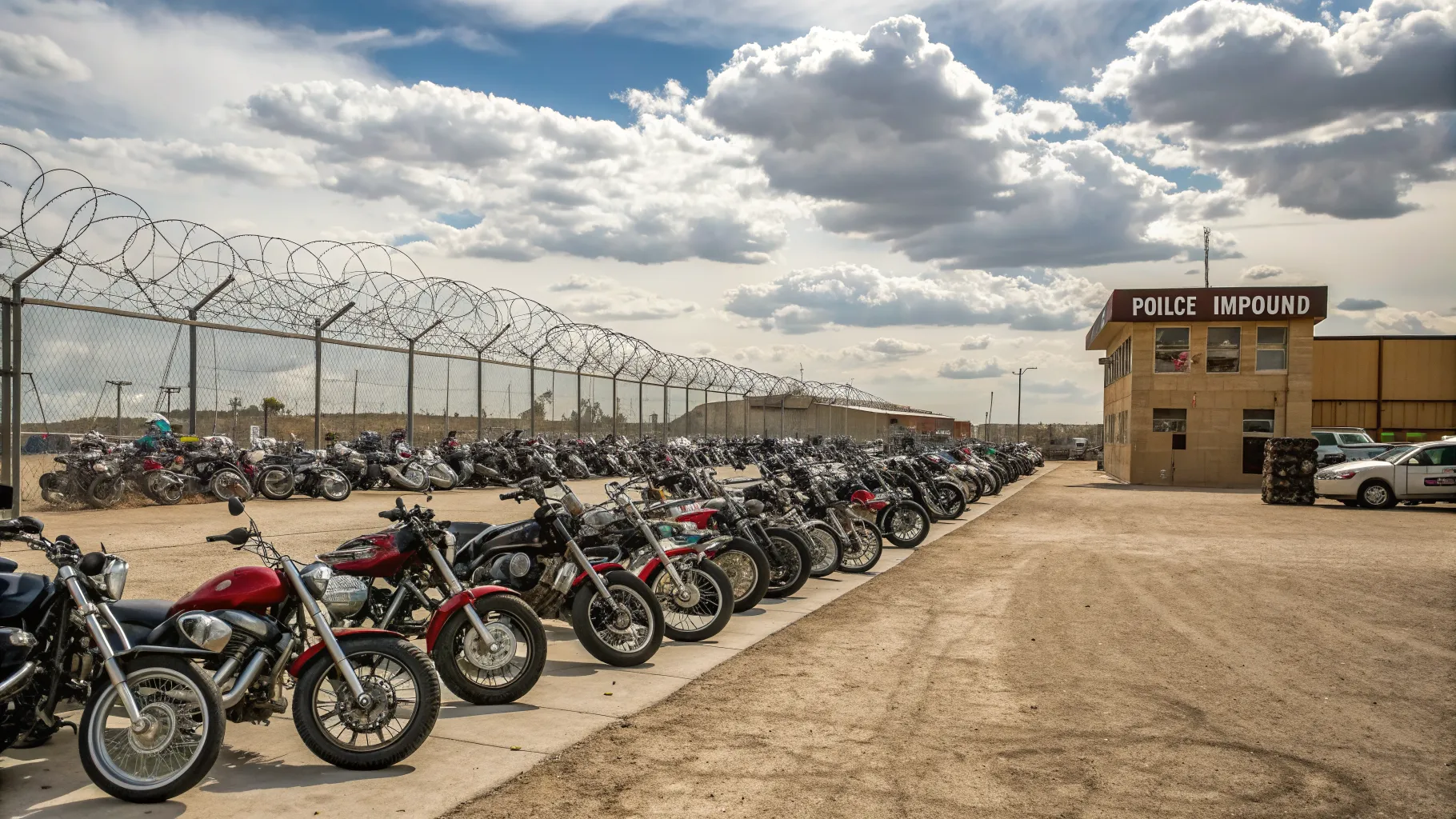
Motorcycles can be impounded for a multitude of reasons, ranging from traffic violations and parking infringements to more serious criminal activities. Once a motorcycle is seized by law enforcement, it is typically stored in an impound lot. The owner then has a specific timeframe to reclaim the vehicle by settling fines, storage fees, and any outstanding legal issues. If the owner fails to retrieve the motorcycle within the designated period, or if the vehicle is deemed abandoned, it becomes eligible for government motorcycle auctions or other forms of public sale. This transition from seized property to available inventory is a critical step that dictates when and where potential buyers can access these vehicles, making the process of finding police impound motorcycles for sale a structured endeavor.
Where to Find Seized Motorcycle Sales and Auctions
Locating seized motorcycle sales requires knowing the right channels. Many local and state government agencies host regular auctions to dispose of unclaimed or confiscated property. These often include a significant number of motorcycles. Websites dedicated to government surplus, local police department websites, and even some specialized auction houses are primary resources. Online platforms have increasingly become popular, offering a broader reach for impound motorcycle auction events. Prospective buyers should regularly check these platforms for new listings, as inventory can change frequently. Participation in these auctions usually requires registration and understanding of the bidding rules specific to each sale, ensuring a transparent and competitive environment for buying impounded motorcycles.
What to Consider Before Buying Impounded Motorcycles
Before committing to buying impounded motorcycles, thorough due diligence is paramount. Unlike purchasing from a private seller or dealership, impounded bikes are often sold "as-is" with little to no warranty or history provided. Potential buyers should inquire about the vehicle's history, if available, including any known accidents or mechanical issues. Inspecting the motorcycle in person, if possible, is crucial to assess its condition, check for major damages, and verify the VIN. Understanding the legal implications, such as any liens or outstanding titles, is also essential to avoid future complications. While the allure of a low price on police impound motorcycles is strong, a careful evaluation can prevent costly surprises down the road.
The Mechanics of an Impound Motorcycle Auction
Participating in an impound motorcycle auction involves several key steps. First, prospective bidders must register, often requiring identification and a deposit. Viewing periods are usually scheduled prior to the auction, allowing interested parties to inspect the vehicles. During the auction, bidding typically progresses in increments, and the highest bidder wins. Payment is generally due shortly after the auction concludes, and buyers are responsible for arranging transportation of the purchased motorcycle. It is important to factor in additional costs such as auction fees, sales tax, registration, and potential repair expenses when calculating the total investment. These government motorcycle auctions offer a unique competitive environment, and understanding the rules helps ensure a smooth purchasing experience.
Maximizing Your Chances: Tips for Securing Police Impound Motorcycles
Securing a good deal on police impound motorcycles for sale requires strategy. Here are some actionable tips:
- Research Extensively: Continuously monitor various government surplus websites, local police department listings, and specialized auction platforms. Setting up alerts for new listings can give you an edge.
- Set a Budget: Determine your maximum bid beforehand, factoring in potential repair costs, registration fees, and transportation. Stick to your budget to avoid overspending in the heat of the moment during an impound motorcycle auction.
- Inspect Thoroughly: Always try to inspect the motorcycle in person during viewing hours. Check for obvious damage, fluid leaks, tire condition, and any signs of tampering. Bring a knowledgeable friend if you are not mechanically inclined.
- Understand Legalities: Clarify the title status and any outstanding liens before bidding. Ensure you understand the process for transferring ownership and registering the vehicle in your name, particularly with seized motorcycle sales.
- Be Patient and Persistent: Finding the right bike at the right price can take time. Don't rush into a purchase. The inventory of government motorcycle auctions is constantly changing, so persistence often pays off.
Frequently Asked Questions
Are all police impound motorcycles roadworthy when sold?
No, not all police impound motorcycles for sale are immediately roadworthy. Many are sold "as-is" and may require repairs, maintenance, or specific parts to pass inspection and be legally registered. It is crucial to assess the condition of the motorcycle during viewing.
Can I inspect a motorcycle before bidding at an impound motorcycle auction?
Yes, most impound motorcycle auction events include designated viewing periods prior to the auction where prospective buyers can inspect the vehicles. This is a critical opportunity to evaluate the motorcycle's condition before committing to a bid.
What documents do I receive when buying impounded motorcycles?
When buying impounded motorcycles, you will typically receive a bill of sale and, if available, a clear title. The specific documentation can vary by jurisdiction and the reason for impoundment. It is important to confirm the title status before purchase to ensure smooth registration.
References
- Local Government Surplus Property Guidelines
- State Department of Motor Vehicles Regulations on Seized Vehicles
- Public Auction House Policies on Vehicle Sales