Police Impound Motorcycles for Sale: Your Guide to Buying Seized Bikes
Facts:
- Over 75,000 motorcycles are impounded annually.
- Demand for affordable used motorcycles increases at government auctions for budget-conscious buyers.
Navigating the World of Police Impound Motorcycles for Sale
The prospect of finding a great deal on a pre-owned bike often leads enthusiasts and bargain hunters to explore the market for police impound motorcycles for sale. These vehicles, acquired through various law enforcement actions, present a unique opportunity for individuals to purchase motorcycles at potentially significantly reduced prices. Understanding the process of how these bikes become available, where to find them, and what to consider before committing to a purchase is crucial for anyone interested in buying impounded motorcycles. This comprehensive guide will walk you through the intricacies, from initial seizure to final sale, ensuring you are well-equipped to make an informed decision and potentially ride away with a fantastic deal.
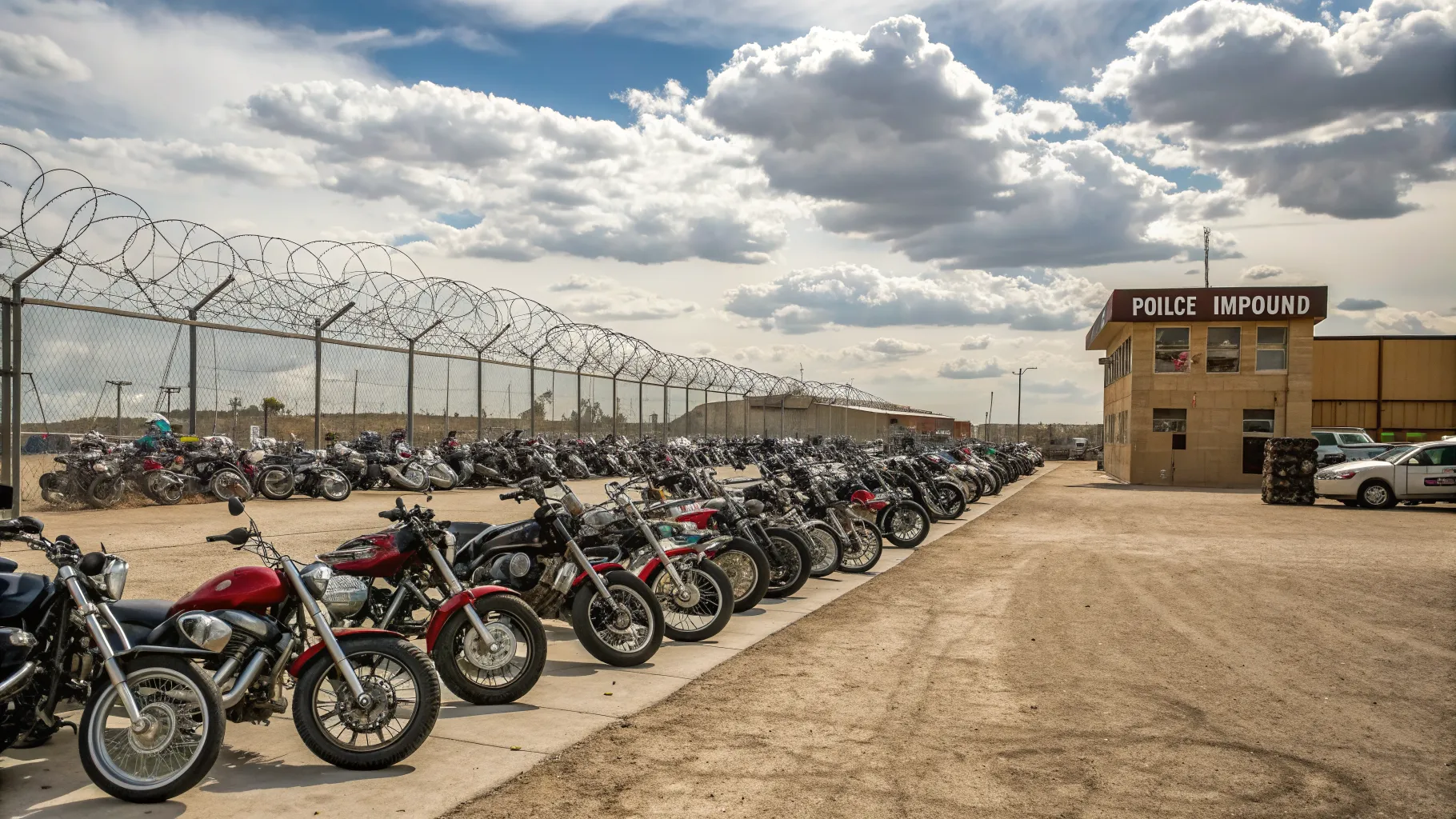
Understanding How Motorcycles Get Impounded
Motorcycles can become police impound motorcycles for a variety of reasons, ranging from minor infractions to serious criminal activities. Common scenarios include traffic violations such as operating an unregistered vehicle, driving without a valid license, or receiving multiple parking tickets that lead to seizure. Furthermore, motorcycles involved in accidents where the owner is uninsured or unable to move the vehicle are often impounded for safekeeping or evidence. More severe cases involve bikes seized during drug busts, theft recoveries where the original owner cannot be identified, or as part of forfeiture proceedings linked to other crimes. Each scenario dictates a different legal pathway for the vehicle, influencing its eventual availability as an impounded motorcycle for sale.
Where to Find Impounded Motorcycles for Sale
Locating impounded motorcycles for sale requires knowing the right channels. The most common avenues are government auctions, run by local police departments, county sheriffs, or federal agencies. These auctions can be held in person at dedicated impound lots or online through specialized government auction websites. Websites like GovDeals, PublicSurplus, and Copart often list a wide array of vehicles, including motorcycles, from various law enforcement agencies. It is essential to regularly check these platforms and local government announcements, as inventory changes frequently. Additionally, some private towing companies or storage facilities may hold lien sales for unclaimed motorcycles, which can also be a source of potential buys. Thorough research into both online and physical motorcycle auctions is key to discovering available inventory.
The Auction Process for Seized Motorcycles
Participating in motorcycle auctions for seized motorcycles involves a specific set of procedures. Typically, potential buyers are encouraged to inspect vehicles during a designated viewing period before the auction begins. This is a critical step, as most vehicles are sold "as-is, where-is" with no warranties. During the auction, bidding can be competitive, and it's vital to set a maximum budget beforehand to avoid overspending. Registration with the auction house or online platform is usually required, often involving a deposit. Once a bid is won, payment is typically due immediately or within a short timeframe, and the buyer is responsible for arranging transport of the motorcycle. Understanding these steps ensures a smoother experience when engaging in buying impounded motorcycles.
Key Considerations Before Buying an Impounded Motorcycle
Before making an offer on any of the police impound motorcycles for sale, several critical factors must be evaluated. Firstly, thoroughly inspect the motorcycle's condition. Due to their history, these bikes can have significant mechanical issues, body damage, or missing parts. A pre-purchase inspection by a qualified mechanic, if permitted, is highly recommended. Secondly, investigate the vehicle's title and history. Ensure there is a clear title and no outstanding liens or legal impediments to ownership. A VIN check is essential to uncover accident history, previous owners, and any reported thefts. Thirdly, factor in potential repair costs, registration fees, and any outstanding storage fees that might be passed on to the buyer. What appears to be a bargain could quickly become expensive if unforeseen issues arise, making due diligence paramount when considering buying impounded motorcycles.
Legalities and Paperwork for Recovering Seized Motorcycles
The legalities surrounding seized motorcycles can be complex, and understanding the necessary paperwork is crucial for successful ownership transfer. After purchase at an auction, you will typically receive a Bill of Sale and possibly an auction receipt. These documents are vital for obtaining a new title and registering the motorcycle in your name. Depending on the state or jurisdiction, you may also need a lien release if the bike had an outstanding loan that was satisfied through the impoundment process. It's imperative to visit your local Department of Motor Vehicles (DMV) or equivalent agency with all your documentation to complete the transfer of ownership. Any discrepancies or missing paperwork can lead to significant delays or even prevent you from legally owning and riding your new purchase, making proper handling of documentation critical for buying impounded motorcycles.
Actionable Advice for Securing Your Impounded Motorcycle
Research Local Auction Schedules: Consistently check local government websites, police department listings, and specialized auction platforms like GovDeals or PublicSurplus for upcoming motorcycle auctions. Timely information is crucial to avoid missing out on potential deals.
Conduct Thorough Pre-Auction Inspections: Always make an effort to physically inspect any police impound motorcycles you're interested in during the designated viewing times. Check for visible damage, fluid leaks, tire wear, and signs of neglect. If possible, bring a knowledgeable mechanic.
Perform a Comprehensive VIN Check: Before bidding on any impounded motorcycles for sale, run a VIN check through services like Carfax or AutoCheck. This will reveal critical information such as accident history, odometer discrepancies, prior ownership, and any salvage titles, helping you make an informed decision.
Set a Strict Budget and Stick to It: Determine your maximum bid based on the motorcycle's estimated market value, potential repair costs, and auction fees. It's easy to get caught up in the excitement of buying impounded motorcycles, but overpaying negates the benefit of a potential bargain.
Understand the Titling and Registration Process: Familiarize yourself with your state's specific requirements for titling and registering vehicles purchased from auctions, especially seized motorcycles. Gather all necessary documentation, including the bill of sale and any lien releases, to ensure a smooth transfer of ownership.
Frequently Asked Questions
Can anyone buy police impound motorcycles for sale?
Yes, generally, anyone with valid identification and the means to pay can participate in auctions for police impound motorcycles for sale. However, some auctions may have specific registration requirements or restrictions, so it's always best to check the rules of each auction house or platform beforehand.
Are police impound motorcycles usually damaged?
The condition of police impound motorcycles can vary significantly. Some might be in excellent condition, simply seized for administrative reasons, while others could have extensive cosmetic or mechanical damage from accidents, neglect, or prolonged storage. Thorough inspection is crucial.
What kind of paperwork do I get when buying impounded motorcycles?
When buying impounded motorcycles, you will typically receive a Bill of Sale and an auction receipt. Depending on the jurisdiction and the vehicle's history, you might also receive a title, a salvage title, or a certificate of destruction. It's important to confirm the type of documentation you will receive to ensure you can legally register the bike.
References
- Local Government Auction Guides and Policies
- State Department of Motor Vehicles Titling Regulations
- Reports on Public Surplus Vehicle Auctions