Peripheral Neuropathy Symptoms Signs and Nerve Health Tips
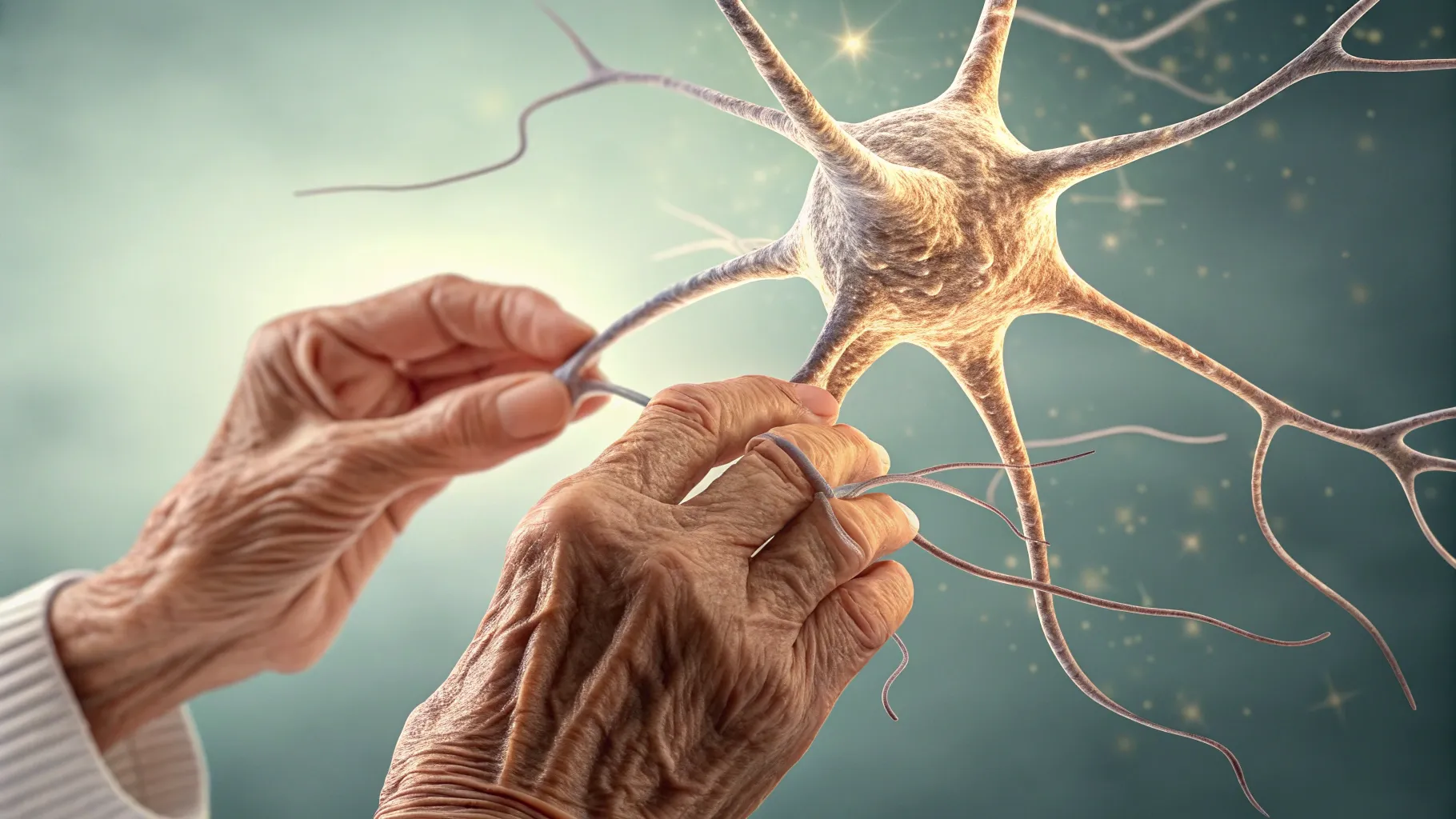
Understanding Peripheral Neuropathy Symptoms
Peripheral neuropathy impacts millions of people, affecting their daily lives through altered sensations, weakness, and sometimes debilitating pain. As awareness grows in 2025, understanding the nuances of this condition is crucial. Peripheral nerves, which connect the spinal cord to the limbs and organs, play a vital role in our ability to feel and move. Whether it's a slight tingling sensation or significant numbness, being aware of the symptoms can pave the way to effective management and treatment.
Nerve Tingling Symptoms and Their Causes
One of the most recognized symptoms of peripheral neuropathy is tingling, often described as a sensation of "pins and needles." This abnormal feeling can vary from mild to severe and commonly affects the hands and feet. The causes can be diverse and complex, shedding light on the underlying mechanisms of nerve damage.
- Diabetes: With approximately 30% of peripheral neuropathy cases linked to diabetes, controlling blood sugar levels is paramount. Diabetic neuropathy is one of the most common complications of diabetes, showcasing the importance of managing this condition effectively.
- Alcoholism: Chronic alcohol consumption is notorious for leading to nutritional deficiencies, particularly B vitamins, which are essential for nerve health. The resultant nerve damage contributes to a higher prevalence of neuropathy among individuals with alcohol dependency.
- Infections: Certain infections can also precipitate nerve damage. Shingles, caused by the varicella-zoster virus, can lead to postherpetic neuralgia, while Lyme disease can result in radiculopathy, showcasing the widespread impacts of systemic infections on nerve function.
- Autoimmune Disorders: Conditions like rheumatoid arthritis and lupus manifest not just through joint pain but can also provoke peripheral neuropathy as the immune system erroneously attacks nerve tissues.
- Hereditary Disorders: Genetic predispositions, such as Charcot-Marie-Tooth disease, can lead to inherited neuropathies, emphasizing the role of genetics in nerve health.
Identifying the root cause of neuropathy symptoms is essential for effective management. Each condition has distinct implications and treatment approaches, which highlights the need for comprehensive medical evaluation.
Signs of Peripheral Neuropathy in Seniors
Seniors are especially vulnerable to developing peripheral neuropathy due to the cumulative effects of age, diabetes, and other comorbid conditions. Recent statistics indicate that up to 50% of older adults may experience some form of neuropathy, making awareness and early detection vital.
- Numbness or Reduced Sensation: Many seniors report difficulty in feeling pain or temperature changes in their extremities. This can lead to dangerous situations, such as unnoticed injuries or burns.
- Weakness: Muscle weakness, particularly in the legs and feet, can hinder mobility and independence. This lack of strength can be detrimental, leading to falls and decreased quality of life.
- Balance Issues: Altered sensations in the feet contribute significantly to balance problems, often resulting in an increased fear of falling. Simple activities may become daunting tasks.
- Foot Tingling or Burning: This symptom can disrupt everyday activities, making walking uncomfortable and challenging.
Cognizance of these signs allows caregivers and patients to take proactive steps. Seeking professional advice and possibly engaging in targeted therapies can dramatically improve life quality for seniors facing these challenges.
Managing Nerve Health: Lifestyle and Treatment Options
In 2025, a wealth of resources is available for those managing peripheral neuropathy. Lifestyle adjustments can make a significant difference in managing symptoms and improving nerve health. Here are some essential strategies to consider:
- Maintain a Healthy Diet: A nutrient-rich diet promotes nerve health. Foods high in B vitamins, such as whole grains, legumes, and leafy greens, along with omega-3 fatty acids found in fatty fish, can bolster nerve function and repair.
- Regular Exercise: Staying active is crucial. Low-impact exercises like walking, cycling, and swimming improve circulation, which is vital for nerve health. Even gentle yoga can enhance flexibility and reduce discomfort.
- Avoid Alcohol and Tobacco: Both substances can exacerbate neuropathy symptoms. Cutting back or quitting can lead to improved nerve function and overall health.
- Manage Blood Sugar Levels: For those with diabetes, maintaining stable blood sugar is essential to prevent further nerve damage. Regular monitoring and consultation with healthcare providers will ensure effective management.
Modern medical interventions play a significant role in neuropathy treatment. Healthcare professionals might recommend physical therapy, prescribe medications like topical analgesics or anticonvulsants, and utilize nerve stimulation techniques such as TENS to alleviate symptoms. Each treatment plan should be customized based on individual needs and circumstances.
The Psychological Impact of Neuropathy
While the physical symptoms of peripheral neuropathy are often at the forefront, the psychological effects are profound and frequently overlooked. Constant pain and discomfort can lead to significant emotional challenges. Recent research reveals that around 60% of individuals with neuropathy suffer from depression, indicating a strong interconnection between chronic pain conditions and mental health.
- Psychoeducation: Providing education about the condition can empower patients. Understanding their diagnosis promotes self-management and reduces anxiety related to the unknown.
- Support Groups: Engaging with peers who share similar experiences can facilitate emotional healing. These groups offer a space for sharing coping strategies and providing mutual encouragement.
The growing recognition of mental health in the management of chronic conditions is encouraging. A holistic approach to treatment focuses not just on alleviating physical symptoms but also on addressing emotional and psychological well-being.
As the field of neuropathy treatment advances, ongoing research continues to unfold. The exploration of genetic influences and innovative therapies such as bioelectric medicine is promising. With proactive approaches and comprehensive health strategies, individuals can work towards enhancing their quality of life, navigating the complexities of peripheral neuropathy with confidence.