Patagonia Hiking Tours: Exploring the Wild Frontier
Patagonia, a vast region spanning the southern reaches of Argentina and Chile, is a hiker's paradise. Its dramatic landscapes, sculpted by ancient glaciers and fierce winds, draw adventurers from across the globe seeking unparalleled natural beauty and challenging trails. Embarking on a hiking tour here is more than just a trip; it is an immersion into one of the planet's last true wildernesses.
The Allure of Patagonia for Hikers
Patagonia's diverse topography includes the Andes Mountains, steppes, deserts, and two coastlines. This geological variety creates a stunning array of ecosystems and landscapes perfect for exploration on foot. Hikers can traverse lush forests, cross vast glacial fields, and ascend challenging mountain passes, all while witnessing wildlife unique to the region.
The sheer scale and untamed nature of Patagonia are what make it truly special for hikers. Unlike many other popular hiking destinations, large parts of Patagonia remain sparsely populated and offer a profound sense of solitude and connection with nature. The region's remote character demands respect and careful planning, but rewards adventurers with unforgettable vistas.
Key Hiking Regions and Their Highlights
When considering a hiking tour in Patagonia, two regions often stand out: Torres del Paine National Park in Chilean Patagonia and Los Glaciares National Park in Argentine Patagonia. Both offer iconic treks and unique natural wonders, making them primary destinations for many visitors.
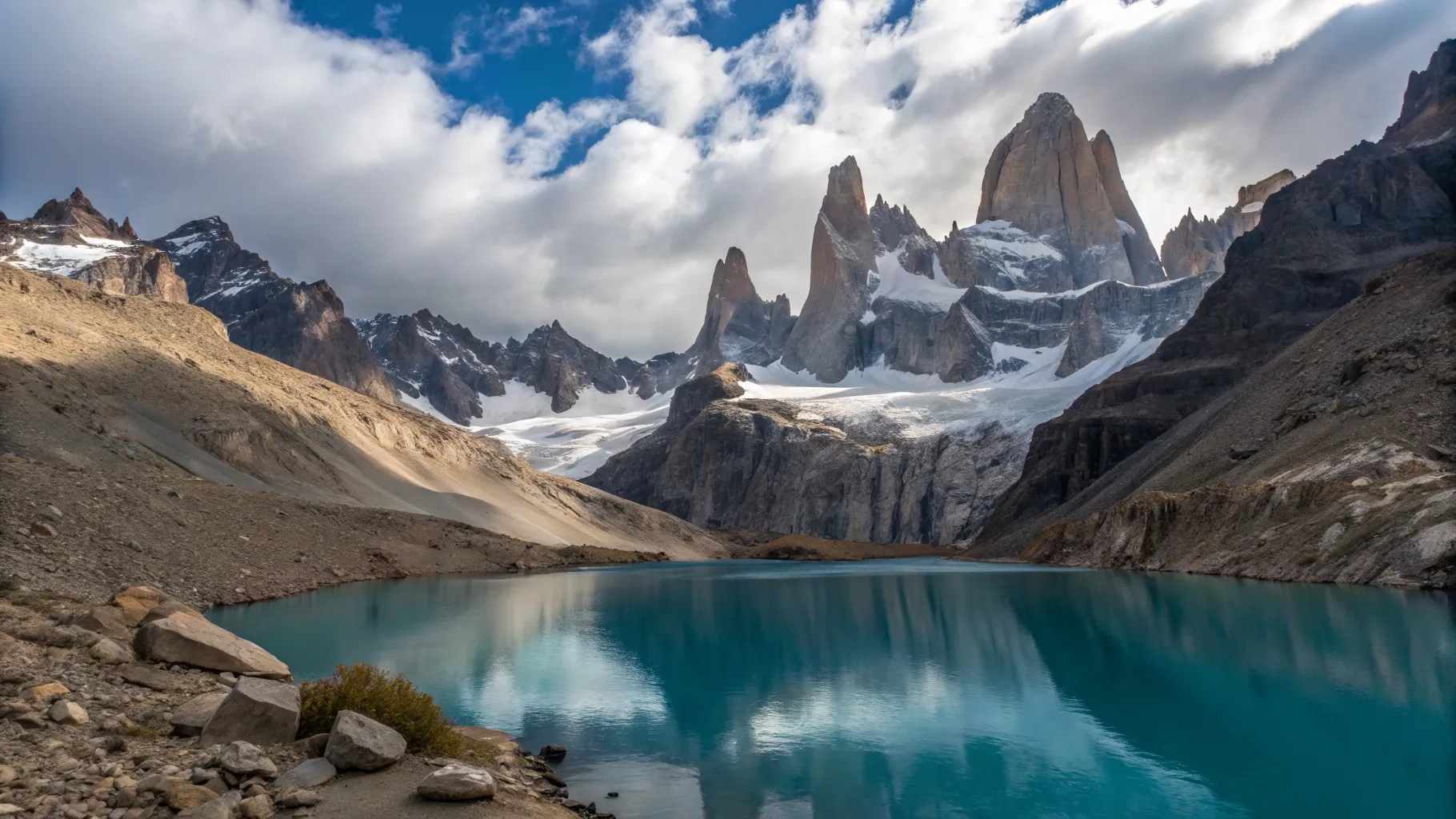
Torres del Paine is renowned for its 'W' and 'O' circuits, featuring the distinctive granite towers, turquoise lakes, and Grey Glacier. In Argentina, El Chalten, nestled at the foot of Mount Fitz Roy, serves as the trekking capital for access to trails leading to Laguna de los Tres and Cerro Torre, offering views of some of the most famous peaks in the Andes.
Understanding Different Types of Hiking Tours
Patagonia offers a spectrum of hiking tours catering to various fitness levels and preferences. Day hikes are popular for those based in towns like Puerto Natales or El Chalten, allowing exploration of specific trails without committing to overnight camping. These tours often include transportation and a local guide, providing insights into the area's geology and ecology.
For more immersive experiences, multi-day treks like the 'W' or 'O' circuit in Torres del Paine are available. These can be fully guided, semi-independent (with logistics like accommodation and food arranged), or entirely self-guided for experienced backpackers. Guided tours provide safety, expert knowledge, and often include meals and camping equipment, simplifying the planning process.
Essential Preparation for Your Patagonian Adventure
Preparing for a Patagonia hiking tour requires careful attention to gear, physical fitness, and logistics. The weather in Patagonia is notoriously unpredictable, so layering is crucial. Hikers should pack waterproof and windproof outerwear, warm base layers, sturdy hiking boots, and a reliable backpack.
Physical conditioning is also important, especially for multi-day treks. Regular cardio and strength training in the months leading up to your trip can significantly enhance your enjoyment and safety on the trails.
- Waterproof and windproof outer shell.
- Insulating layers (fleece, down jacket).
- Sturdy, broken-in hiking boots.
- Sun protection (hat, sunglasses, sunscreen).
- First-aid kit and personal medications.
- Navigation tools (map, compass, GPS device or app).
Navigating the Seasons: Best Time to Hike in Patagonia
The peak hiking season in Patagonia runs from December to February, which corresponds to the austral summer. During these months, temperatures are milder, and daylight hours are long, providing optimal conditions for long treks. However, this is also the busiest time, meaning trails and accommodations can be crowded and more expensive.
Shoulder seasons, such as October-November (spring) and March-April (autumn), can offer a balance of fewer crowds and pleasant, though cooler, weather. Spring brings blooming wildflowers, while autumn paints the landscapes with vibrant fall colors. Be aware that some facilities or trails might have limited access during the very early or late parts of these seasons due to weather conditions.
Choosing a Reputable Tour Operator
For those opting for a guided experience, selecting a reputable tour operator is a key decision. Look for companies with strong safety records, certified guides, and clear communication regarding itineraries, inclusions, and exclusions. Researching reviews and asking for references can provide valuable insights into a company's reliability and quality of service.
A good tour operator will also prioritize environmental responsibility and local community engagement. They should adhere to Leave No Trace principles and employ local staff where possible. Ensure the tour size aligns with your preferences; some prefer smaller, more intimate groups, while others are comfortable with larger expeditions.