Pancreatitis Symptoms: A Comprehensive Guide to the Signs and Causes
Facts:
- Severe upper abdominal pain is the hallmark symptom.
- Lifestyle factors like diet and alcohol are major trends for pancreatitis cases.
Decoding the Discomfort: A Deep Dive into Pancreatitis Symptoms
Effectively understanding pancreatitis symptoms is the first crucial step toward timely diagnosis and treatment. Pancreatitis, an inflammation of the pancreas, can manifest suddenly or develop over time, but its impact is often significant. The condition arises when digestive enzymes produced in the pancreas become activated while still inside the organ, irritating its cells and causing inflammation and damage. Recognizing the various signs of pancreatitis is not just about identifying pain; it involves being aware of a constellation of symptoms that can signal a serious medical issue. This guide aims to provide a thorough overview of both common and subtle indicators, helping you understand the signals your body might be sending.
The Epicenter of Pain: Understanding Pancreatitis Pain Causes
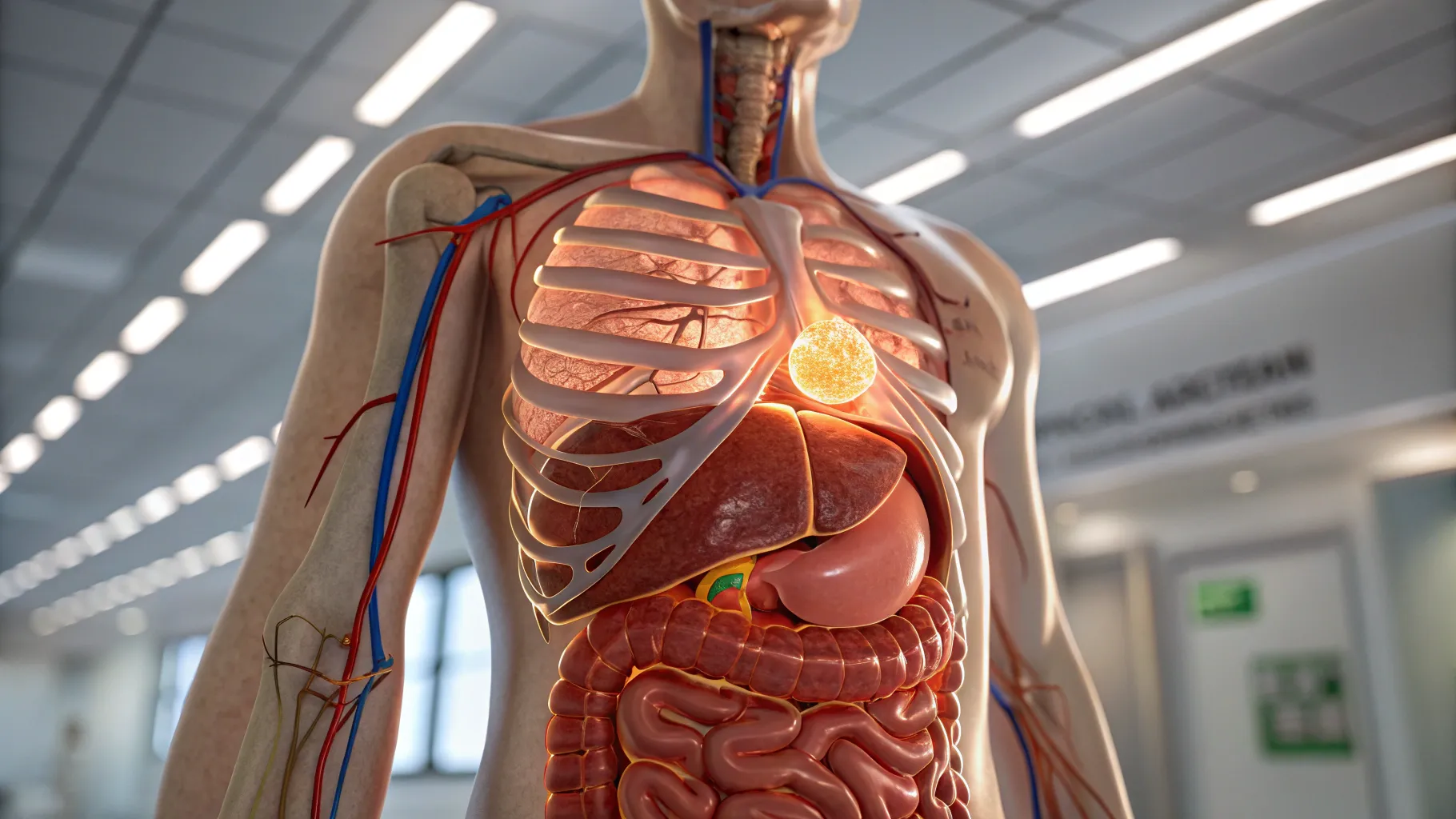
The most dominant and frequently reported of all pancreatitis symptoms is pain. However, the nature of this pain is specific. Typically, it originates in the upper abdomen, right below the ribcage, and is often described as a constant, dull, or boring ache that can become severe and debilitating. A key characteristic that helps in understanding pancreatitis symptoms is that the pain often radiates to the back. Many individuals find that the pain worsens after eating, particularly after a high-fat meal, as the pancreas is stimulated to release more enzymes. Leaning forward or curling into a fetal position may provide some relief. The underlying pancreatitis pain causes are directly linked to the inflammation and swelling of the pancreas, which puts pressure on surrounding tissues and nerves. In severe cases, internal bleeding or tissue death can intensify this discomfort significantly.
Acute vs. Chronic: Differentiating the Signs of Pancreatitis
Pancreatitis can be categorized as either acute or chronic, and while they share some symptoms, their presentation and progression differ. The signs of pancreatitis in an acute episode are typically sudden and severe. These acute pancreatitis symptoms demand immediate medical attention and often include intense abdominal pain, fever, a rapid pulse, nausea, and vomiting. The abdomen may feel tender to the touch. On the other hand, chronic pancreatitis symptoms develop more gradually and can be persistent or occur in flare-ups. The pain might be constant or intermittent. Over time, as the pancreas becomes more damaged, other signs may appear, such as unexplained weight loss, oily, smelly stools (steatorrhea), and the development of diabetes. Properly understanding pancreatitis symptoms requires recognizing whether the onset is sudden and severe or gradual and recurring.
Beyond Abdominal Pain: Other Critical Pancreatitis Symptoms
While abdominal pain is the primary complaint, a comprehensive understanding of pancreatitis symptoms involves recognizing other significant indicators. Nausea and vomiting are extremely common, especially in cases of acute pancreatitis. This is often accompanied by a loss of appetite and a general feeling of being unwell (malaise). A fever and an elevated heart rate are also classic acute pancreatitis symptoms, signaling the body's inflammatory response. In some cases, jaundice—a yellowing of the skin and eyes—can occur if the inflamed pancreas blocks the bile duct. Swelling and tenderness in the abdomen are also frequent signs of pancreatitis that a doctor will check for during a physical examination. Ignoring these secondary symptoms can delay diagnosis and lead to more severe complications.
Actionable Steps: When to Seek Medical Attention for Pancreatitis Symptoms
Recognizing the signs of pancreatitis is one part of the equation; knowing when to act is the other. Given the potential severity of the condition, it is critical to seek medical help promptly if you experience symptoms. Here are key triggers for seeking immediate care:
- Severe and Persistent Abdominal Pain: If you have sudden, intense pain in your upper abdomen that doesn't go away, especially if it radiates to your back, you should go to an emergency room. This is a primary indicator among acute pancreatitis symptoms.
- Pain Accompanied by Other Symptoms: Do not wait if your abdominal pain is coupled with vomiting, fever, a rapid heartbeat, or yellowing of the skin. This combination of pancreatitis symptoms signals a serious problem.
- Inability to Eat or Drink: If nausea and vomiting are so severe that you cannot keep fluids down, you risk dehydration and need medical intervention.
- Chronic, Recurring Symptoms: For those experiencing ongoing abdominal pain, unexplained weight loss, or changes in stool, consulting a gastroenterologist is crucial for investigating the pancreatitis pain causes and preventing long-term damage.
Frequently Asked Questions
What are the most common early signs of pancreatitis?
The earliest and most common signs of pancreatitis are typically a gradual or sudden onset of pain in the upper abdomen that may spread to the back. This is often accompanied by nausea, vomiting, and abdominal tenderness, especially after eating fatty foods.
Can pancreatitis symptoms be mistaken for something else?
Yes, absolutely. The pancreatitis symptoms, particularly the abdominal pain, can be mistaken for other conditions like gallstones, a heart attack, stomach ulcers, or appendicitis. This is why a proper medical diagnosis is essential for anyone experiencing severe abdominal pain.
What are the main pancreatitis pain causes?
The primary pancreatitis pain causes stem from the inflammation of the pancreas itself. When digestive enzymes activate prematurely inside the organ, they cause irritation, swelling, and damage to the pancreatic tissue, leading to intense and persistent pain.
Are acute pancreatitis symptoms always severe?
While many cases of acute pancreatitis symptoms are severe and require hospitalization, some can be milder. However, any suspected case of acute pancreatitis should be evaluated by a healthcare professional immediately, as even mild cases can rapidly become life-threatening if not treated.
References
- National Institute of Diabetes and Digestive and Kidney Diseases (NIDDK)
- The National Pancreas Foundation
- American Gastroenterological Association
- Clinical guidelines on the diagnosis and management of pancreatitis