Pancreatitis Symptoms: A Complete Guide to Recognizing the Signs
Facts:
- Pancreatitis inflammation can be sudden or chronic.
- Gallstones and alcohol are leading pancreatitis triggers.
Recognizing the Telltale Signs of Pancreatic Distress
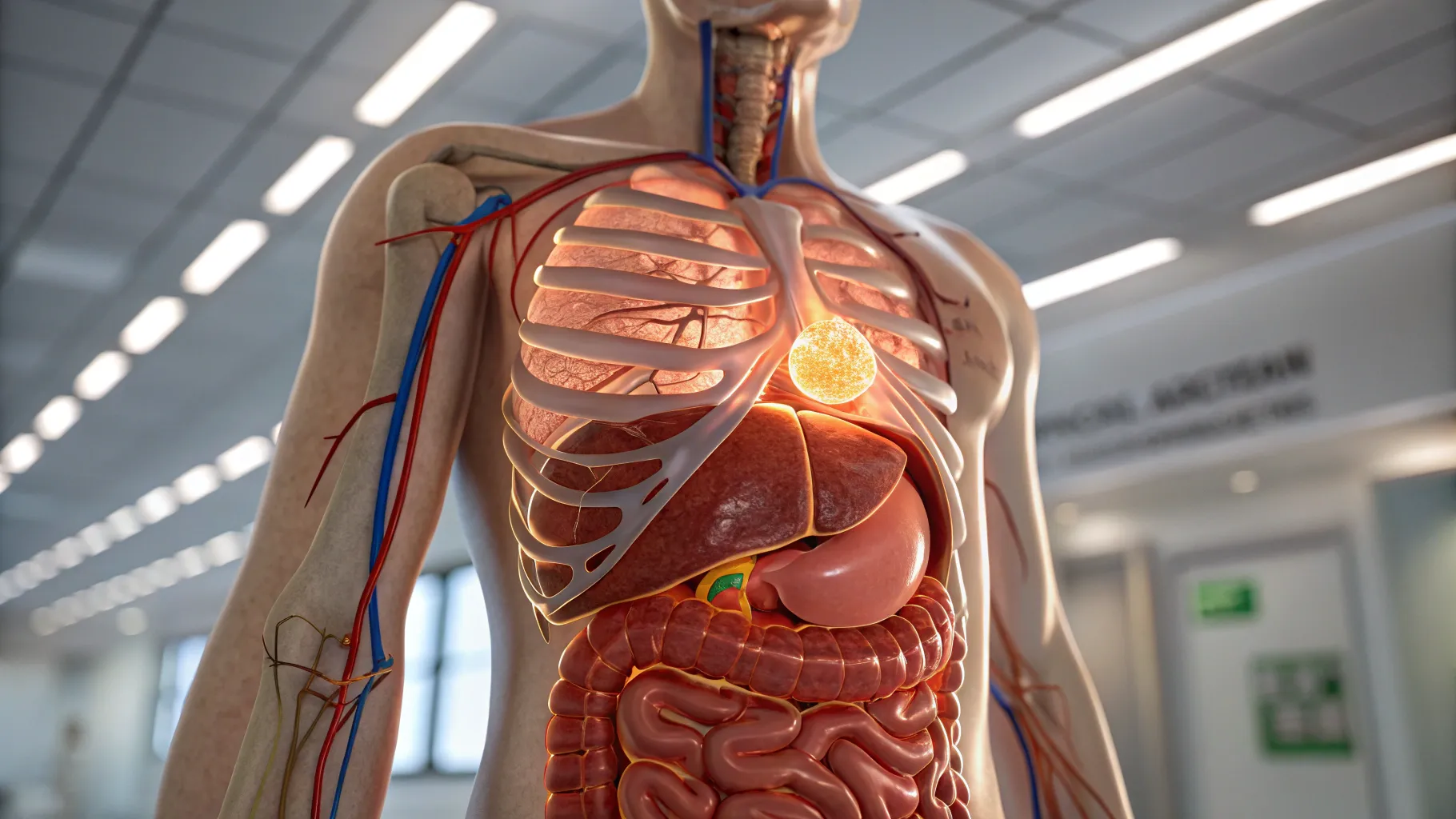
Effectively understanding pancreatitis symptoms is the first critical step toward seeking timely medical intervention for this serious condition. The pancreas, a vital gland located behind the stomach, can become inflamed, leading to a cascade of painful and potentially dangerous health issues. Recognizing the distinct signs of pancreatitis early on can significantly impact the prognosis and treatment outcome. This guide aims to provide a comprehensive overview of what to look for, from the most common indicators to the more subtle warnings your body might be sending.
The Core Symptoms: What Does Pancreatitis Feel Like?
The hallmark symptom of pancreatitis is pain in the upper abdomen. However, the nature of this pain is a key diagnostic clue. Unlike a general stomach ache, this discomfort is often severe, constant, and may radiate to the back. Many patients describe it as a sharp, boring pain that worsens after eating, especially meals high in fat. Accompanying this primary symptom are several other common signs of pancreatitis. These include nausea and vomiting, which can be persistent and severe, as well as fever and a rapid pulse. Tenderness when touching the abdomen is another classic indicator. For those experiencing acute pancreatitis symptoms, the onset is typically sudden and intense, demanding immediate medical evaluation. Ignoring these signals can lead to severe complications.
Acute vs. Chronic: Differentiating the Types of Pancreatitis Symptoms
It's crucial to distinguish between acute and chronic pancreatitis, as their presentations and long-term implications differ significantly. Acute pancreatitis symptoms appear suddenly and usually last for several days. The abdominal pain is the most prominent feature, and with proper treatment, the pancreas often returns to its normal function. In contrast, chronic pancreatitis involves long-standing inflammation that can lead to permanent damage. The pain may be constant or may come and go, but over time, other symptoms develop. These include unexplained weight loss, oily, foul-smelling stools (steatorrhea) due to poor nutrient absorption, and eventually, the development of diabetes if the insulin-producing cells are destroyed. Understanding pancreatitis symptoms in both their acute and chronic forms is vital for long-term management.
Investigating the Primary Pancreatitis Pain Causes
To effectively manage pancreatitis, it's essential to understand its origins. The primary pancreatitis pain causes are gallstones and chronic, heavy alcohol use. Gallstones can block the bile duct, which is shared by the pancreas, causing digestive fluids to back up and trigger inflammation. Alcohol is directly toxic to pancreatic cells, and prolonged use can lead to chronic inflammation and damage. Other causes include high triglyceride levels in the blood, certain medications, abdominal injury, genetic factors, and in some cases, the cause remains unknown (idiopathic pancreatitis). Identifying the specific trigger is a critical part of the treatment plan to prevent future episodes and manage the condition effectively.
When to Seek Immediate Medical Attention
Certain signs of pancreatitis warrant an emergency visit to the hospital. Do not delay seeking help if you experience any of the following severe symptoms. This proactive approach is crucial for preventing life-threatening complications.
- Severe, Unrelenting Abdominal Pain: If the pain in your upper abdomen is so intense that you cannot sit still or find a comfortable position, it is a medical emergency.
- Persistent Nausea and Vomiting: The inability to keep down food or liquids can quickly lead to dehydration and electrolyte imbalances, which requires intravenous fluids.
- High Fever and Chills: A fever accompanied by abdominal pain could indicate a serious infection or severe inflammation that needs immediate assessment.
- Rapid Heart Rate: A fast pulse can be a sign that your body is under significant stress from the inflammation and pain.
- Difficulty Breathing: In severe cases, pancreatitis can cause chemical changes in the body that affect lung function, leading to respiratory distress.
The Diagnostic Journey: Confirming Pancreatitis
When a patient presents with potential signs of pancreatitis, healthcare professionals typically follow a structured diagnostic process. This begins with a thorough medical history and physical examination, focusing on the abdomen. Blood tests are ordered to measure the levels of two specific pancreatic enzymes: amylase and lipase. Elevated levels of these enzymes are a strong indicator of pancreatitis. Imaging tests are also crucial for a definitive diagnosis and for identifying the underlying pancreatitis pain causes. A computed tomography (CT) scan can provide detailed images of the pancreas to assess the extent of inflammation, while an abdominal ultrasound can detect gallstones. In some cases, an MRI or endoscopic ultrasound (EUS) may be used for a more detailed evaluation. Proper diagnosis is the cornerstone of effective treatment.
Frequently Asked Questions
What are the earliest signs of pancreatitis?
The earliest signs of pancreatitis are typically a sudden onset of moderate to severe pain in the upper central abdomen, which can radiate to the back. This is often accompanied by nausea and a general feeling of being unwell. These initial symptoms should never be ignored.
How can I distinguish pancreatitis pain from other abdominal pain?
Pancreatitis pain is often distinct because it is typically constant, severe, and boring in nature. It usually worsens after eating and may be relieved somewhat by leaning forward. Unlike gas pain, which comes and goes, the pain from acute pancreatitis symptoms is persistent and debilitating.
What are the most common pancreatitis pain causes?
The two most common pancreatitis pain causes are gallstones, which can block the pancreatic duct, and excessive alcohol consumption, which is directly toxic to the pancreas. Other less common causes include high triglycerides, certain medications, and genetic factors.
References
- National Institute of Diabetes and Digestive and Kidney Diseases (NIDDK) - Pancreatitis Overview.
- The American Pancreatic Association (APA) - Patient Guidelines.
- Clinical studies on the diagnosis and management of acute pancreatitis.
- Gastroenterology medical journals on chronic pancreatitis and its effects.