The Ultimate Guide to Osteoporosis Exercises for Bone Health
Facts:
- Exercise can increase bone density by 1-3%.
- Weight-bearing exercises are crucial for osteoporosis management.
Building a Stronger Foundation: Your Guide to Safe Osteoporosis Exercises
Living with osteoporosis requires a proactive approach to health, and a tailored osteoporosis workout is a cornerstone of effective management. Understanding the right movements can significantly improve bone density, enhance balance, and reduce the risk of debilitating fractures. This guide delves into the best exercises for osteoporosis, providing a clear path to building strength safely and effectively. Engaging in a consistent routine of bone strengthening exercises is not just about managing a condition; it's about reclaiming confidence and improving your overall quality of life.
Understanding How Exercise Impacts Bone Health
To appreciate the value of an osteoporosis workout, it's important to understand the science. Bones are living tissues that respond to the forces placed upon them. When you perform weight-bearing or resistance exercises, you create mechanical stress on your skeleton. This stress signals bone-forming cells, called osteoblasts, to build more bone tissue, thereby increasing bone density and strength. This principle, known as Wolff's Law, is the foundation of using exercise with osteoporosis as a therapeutic tool. Without this regular stimulus, bones can become weaker over time. Therefore, consistent physical activity is not just beneficial; it's essential for maintaining skeletal integrity and mitigating the effects of osteoporosis.
The Best Weight-Bearing Osteoporosis Exercises
Weight-bearing exercises are activities you do on your feet, so your bones and muscles work against gravity to support your body's weight. These are fundamental osteoporosis exercises because they directly stimulate the bones in your legs, hips, and lower spine. They are divided into two categories: high-impact and low-impact. While high-impact exercises can offer greater bone-building benefits, they may not be suitable for everyone, especially those with a high fracture risk. It's vital to choose activities that match your fitness level and health status.
High-Impact vs. Low-Impact Options
High-impact weight-bearing exercises include activities like jogging, jumping rope, and high-intensity aerobics. They provide a strong stimulus for bone growth but also carry a higher risk of injury or fracture. Low-impact alternatives are safer for most people with osteoporosis and are still highly effective. These include brisk walking, using an elliptical machine, and low-impact aerobics. A proper osteoporosis workout plan often starts with low-impact exercises and may gradually incorporate higher-impact moves only after clearance from a healthcare professional.
Effective Low-Impact Activities
For a safe and effective routine, focus on low-impact bone strengthening exercises. Brisk walking is an excellent entry point—it's accessible, requires no special equipment, and can be easily adjusted in intensity and duration. Stair climbing is another powerful exercise that builds strength in the legs and hips. Dancing and Tai Chi are also fantastic options as they not only provide weight-bearing benefits but also improve balance and coordination, which is crucial for fall prevention when you exercise with osteoporosis.
Crucial Muscle-Strengthening and Bone Strengthening Exercises
While weight-bearing exercises are key, muscle-strengthening exercises (also known as resistance exercises) are equally important. These activities involve moving your body, a weight, or some other resistance against gravity. They build muscle mass and strength, which in turn helps support and protect your bones. The pulling and pushing action of muscles on bones during these exercises also provides a powerful signal for bone formation. A comprehensive list of the best exercises for osteoporosis must include resistance training 2-3 times per week.
Using Free Weights and Resistance Bands
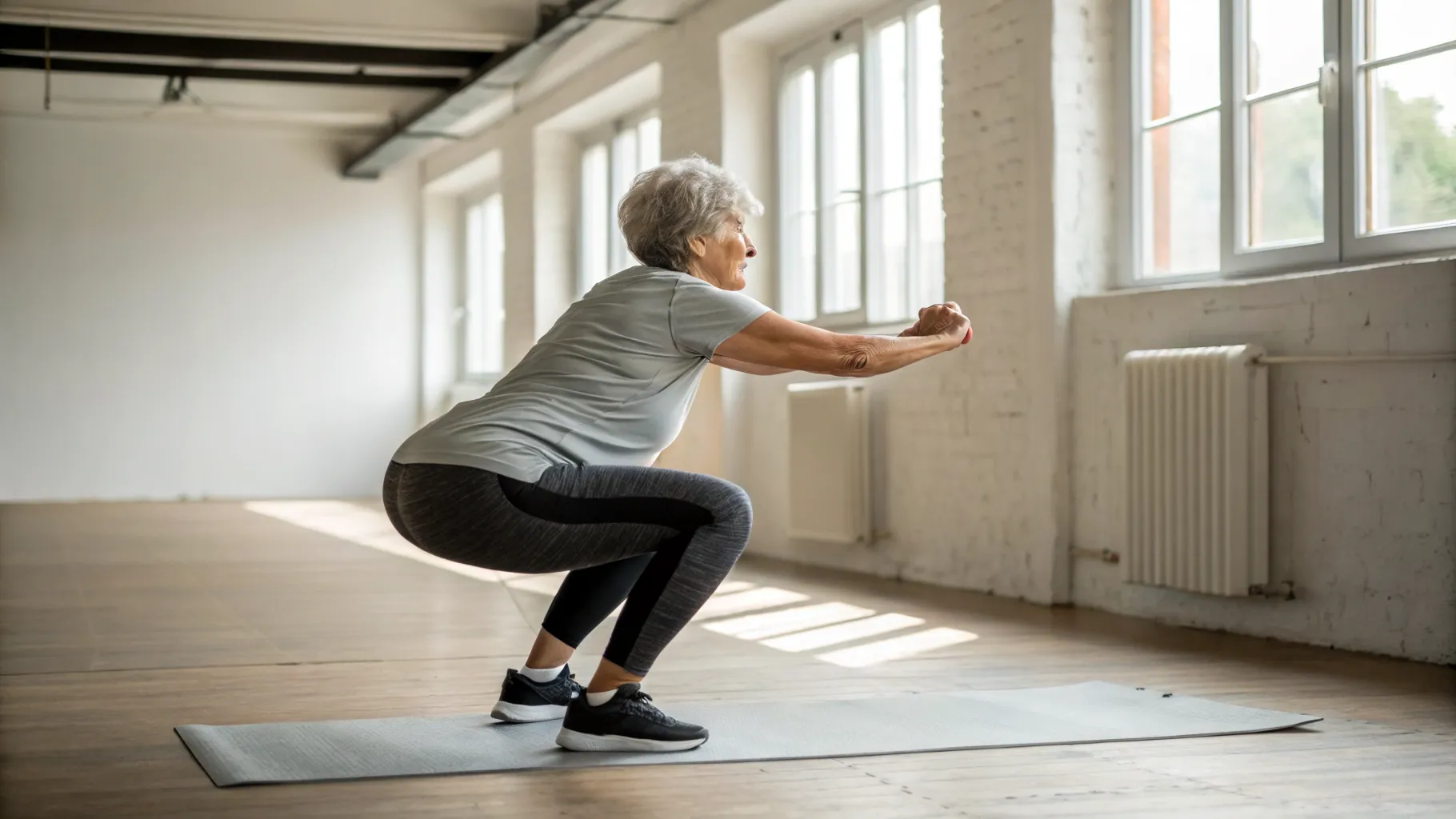
Lifting free weights, such as dumbbells or ankle weights, is a classic way to build muscle. Start with very light weights and focus on proper form to prevent injury. Exercises like bicep curls, overhead presses, and squats (with or without weights) are highly beneficial. Resistance bands are another excellent, low-cost tool. They provide variable resistance and are perfect for a home-based osteoporosis workout. Target all major muscle groups, including arms, legs, shoulders, chest, and back, for a well-rounded program.
Bodyweight Exercises
You don't always need equipment to perform effective bone strengthening exercises. Bodyweight exercises use your own body as resistance. Modified push-ups against a wall, squats using a chair for support, and leg lifts are all excellent examples. The key is to maintain slow, controlled movements to maximize muscle engagement and ensure safety.
Flexibility and Balance: The Keys to Fracture Prevention
Fractures, often caused by falls, are the most serious consequence of osteoporosis. That's why flexibility and balance exercises are a non-negotiable part of any plan for exercise with osteoporosis. Improved balance helps you stay steady on your feet, reducing the likelihood of a fall. Flexibility helps maintain good posture and allows your joints to move through their full range of motion, which also contributes to stability. Activities like Tai Chi are particularly celebrated for their proven benefits in reducing fall risk among older adults. Incorporating simple balance and stretching exercises into your daily routine can make a significant difference.
Exercises to Avoid When You Have Osteoporosis
Just as important as knowing what to do is knowing what to avoid. Certain movements can put excessive strain on your spine and increase the risk of a compression fracture. When planning your osteoporosis exercises, it is critical to eliminate or modify activities that involve:
- Bending forward from the waist: Movements like toe touches or traditional sit-ups can put dangerous pressure on the vertebrae in your spine.
- Twisting the spine: Activities like a full golf swing or certain yoga twists can also stress the spine. It's better to turn your whole body by pivoting your feet.
- High-Impact, jarring movements: For those with significant bone loss, activities like jumping, running, or high-impact aerobics might be too risky. Always consult a professional to assess what is safe for you.
Frequently Asked Questions
How often should I do osteoporosis exercises?
For most people, aiming for 30 minutes of weight-bearing exercise most days of the week is recommended. Strength training should be done 2-3 times per week on non-consecutive days. Always consult your doctor before starting a new osteoporosis workout.
Are bone strengthening exercises safe for everyone with osteoporosis?
While generally safe and beneficial, the type and intensity must be tailored to the individual's bone density, fitness level, and other health conditions. It is crucial to get clearance from a healthcare provider or work with a physical therapist to design a safe program.
Can I reverse osteoporosis with exercise?
Exercise cannot fully reverse osteoporosis, but it is one of the most effective ways to slow its progression, build some bone mass, and significantly reduce your risk of fractures. The best exercises for osteoporosis are part of a comprehensive treatment plan that may also include nutrition and medication.
References
- National Osteoporosis Foundation guidelines on exercise.
- Clinical studies on the effects of resistance training on bone mineral density.
- Physical therapy journals on balance training for fall prevention in older adults.