The Ultimate Guide to Osteoporosis Exercises for Stronger Bones
Facts:
- Over 200 million people worldwide have osteoporosis.
- Regular exercise is a key trend for managing bone health.
Building a Stronger Frame: The Core Principles of Osteoporosis Exercises
Living with osteoporosis requires a proactive approach to health, and a cornerstone of that approach is a carefully planned regimen of osteoporosis exercises. The right physical activity does more than just maintain fitness; it actively stimulates bone-forming cells, helping to slow bone loss and, in some cases, even build new bone mass. Understanding how to exercise with osteoporosis safely is crucial for preventing fractures, which are a primary concern for individuals with fragile bones. This guide will delve into the most effective bone strengthening exercises, helping you create an osteoporosis workout that enhances your strength, improves your balance, and empowers you to live a more active, confident life. By incorporating the right movements, you can significantly impact your bone density and overall well-being.
The Best Exercises for Osteoporosis to Build Bone Density
When selecting the best exercises for osteoporosis, the goal is to apply gentle, productive stress to your bones, signaling your body to build them up stronger. The exercises are typically categorized into two main groups: weight-bearing and muscle-strengthening. An ideal osteoporosis workout will include a combination of both. It's essential to progress slowly and listen to your body, ensuring that every movement is controlled and safe. Consulting with a physical therapist or a certified trainer experienced in osteoporosis is highly recommended before beginning any new exercise program.
Weight-Bearing Exercises
Weight-bearing exercises are activities you do on your feet, so your bones and muscles work against gravity to support your own body weight. This mechanical stress is vital for stimulating bone growth. They can be high-impact or low-impact. High-impact options like jogging or jumping can be very effective but may not be suitable for everyone, especially those with a high fracture risk. Low-impact alternatives, such as brisk walking, using an elliptical machine, or climbing stairs, are safer options that still provide significant benefits for bone health. The key is consistency; performing these osteoporosis exercises regularly is what yields the best results for your skeletal system.
Muscle-Strengthening Exercises
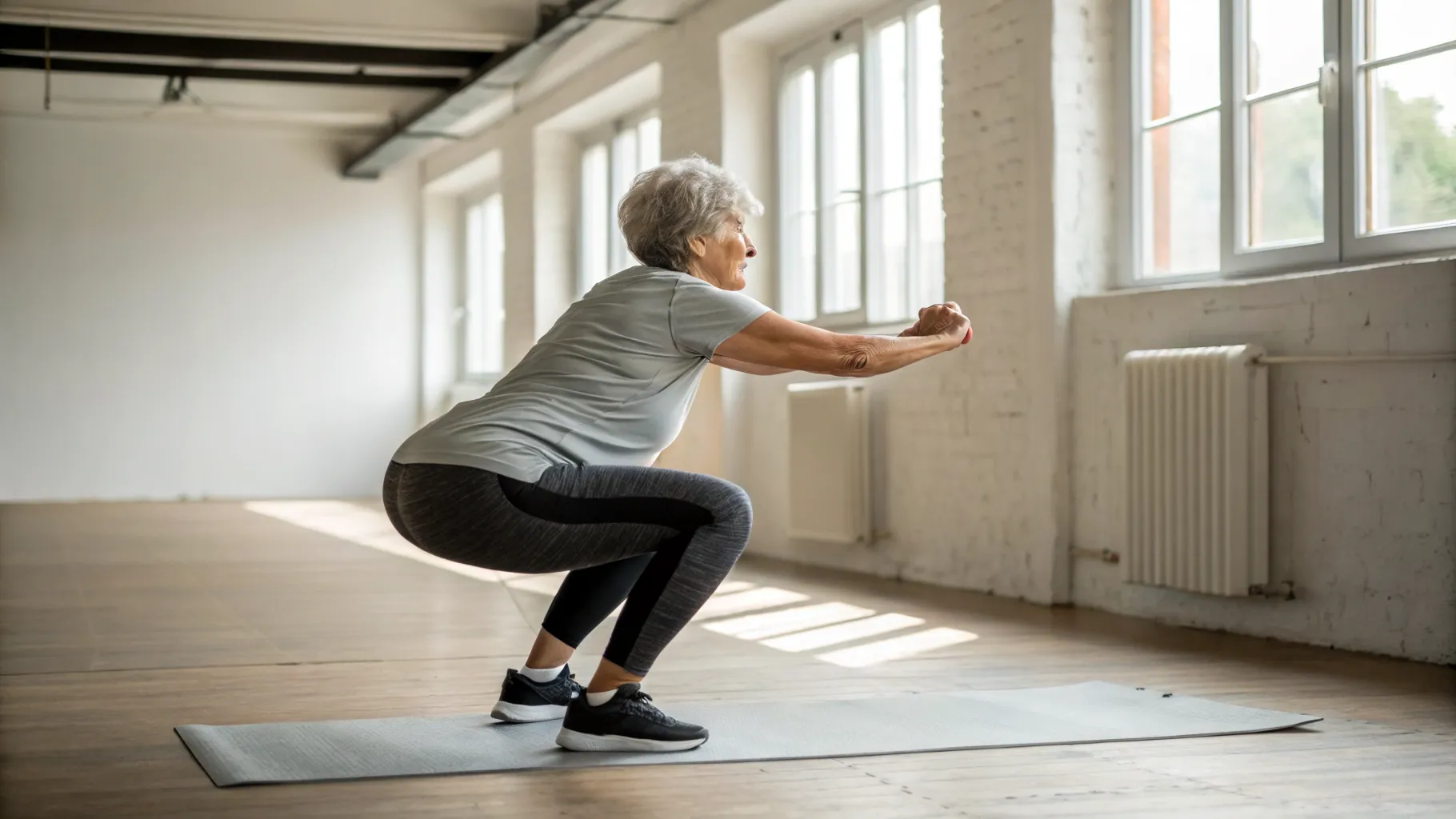
Also known as resistance training, muscle-strengthening exercises involve moving your body, a weight, or some other resistance against gravity. These activities are crucial because as muscles pull on bones during an exercise, it stimulates the bones to become denser and stronger. Examples include lifting free weights, using weight machines, working with resistance bands, or performing bodyweight exercises like squats, push-ups, and planks. These bone strengthening exercises not only improve bone density but also enhance muscle mass, balance, and stability, which collectively reduce the risk of falls and related fractures.
Creating a Safe and Effective Osteoporosis Workout Plan
Developing a safe routine is paramount when you exercise with osteoporosis. The wrong movements can increase fracture risk, defeating the purpose of the workout. A well-rounded plan should focus not just on bone density but also on posture, balance, and coordination to prevent falls. An effective osteoporosis workout is a long-term commitment, and its structure should allow for gradual progression as your strength and confidence grow.
- Consult a Healthcare Professional: Before starting, talk to your doctor or a physical therapist. They can assess your bone density, fracture risk, and overall fitness level to recommend specific, safe osteoporosis exercises.
- Focus on Proper Form: Poor technique can lead to injury. Consider working with a qualified trainer to learn the correct form for each exercise. Prioritize quality of movement over quantity or weight.
- Start Slowly and Progress Gradually: Begin with lighter weights and fewer repetitions. As you get stronger, you can gradually increase the intensity, duration, or resistance of your bone strengthening exercises.
- Incorporate Balance and Posture Training: Activities like Tai Chi or gentle yoga can significantly improve your balance and body awareness, which are critical for fall prevention. Posture exercises help align your spine and reduce stress on your back.
Exercises to Avoid When You Have Osteoporosis
While physical activity is beneficial, certain movements should be avoided or modified to protect your spine and other vulnerable areas. High-impact activities or exercises that involve bending forward from the waist or excessive twisting of the spine can put too much pressure on the vertebrae, potentially leading to a compression fracture. When planning how to exercise with osteoporosis, it's just as important to know what not to do. For example, exercises like sit-ups, abdominal crunches, or certain yoga poses that flex the spine should be avoided. Instead, opt for core exercises like planks or bird-dog poses that strengthen the abdominal and back muscles without rounding the spine. Understanding these limitations is a key part of a safe and effective fitness strategy.
Weight-Bearing vs. Muscle-Strengthening: What's the Difference?
Understanding the distinction between weight-bearing and muscle-strengthening activities is key to building the best exercises for osteoporosis into a comprehensive program. Weight-bearing exercises, like walking or dancing, involve supporting your body's weight against gravity, which directly stimulates the bones in your legs, hips, and lower spine. Muscle-strengthening exercises, on the other hand, use resistance to build muscle mass and strength. As muscles contract and pull on the bones they are attached to, this also stimulates bone growth. While both are critical, they target the body in different ways. A complete osteoporosis workout should strategically include both types to ensure all major bone groups are being stimulated and strengthened effectively for maximum benefit.
Frequently Asked Questions
How often should I perform osteoporosis exercises?
For optimal results, aim for weight-bearing exercises most days of the week for at least 30 minutes. Muscle-strengthening exercises should be performed two to three days per week, with a day of rest in between for muscle recovery. Consistency is more important than intensity when starting your osteoporosis workout.
Are there any specific bone strengthening exercises for the hips and spine?
Yes, exercises like squats, lunges, and standing on one leg are excellent for strengthening the hips. For the spine, exercises that focus on posture, such as back extensions (done carefully) and rows, are beneficial. Always ensure you are performing these bone strengthening exercises with proper form to protect your spine.
Can I build bone density after menopause with exercise?
Absolutely. While bone loss accelerates after menopause due to decreased estrogen, a consistent regimen of the best exercises for osteoporosis, particularly weight-bearing and resistance training, can help slow this loss and even stimulate new bone formation, improving overall bone density and strength.
References
- National Osteoporosis Foundation: Exercise for Strong Bones
- Mayo Clinic: Osteoporosis - Diagnosis and treatment
- International Osteoporosis Foundation: Exercise and Bone Health