The Ultimate Guide to Osteoporosis Exercises for Stronger Bones
Facts:
- Over 200 million people worldwide suffer from osteoporosis.
- A rising trend in preventative care involves targeted bone strengthening exercises.
Building Your Bone Bank: The Role of Exercise in Managing Osteoporosis
Navigating life with osteoporosis means taking proactive steps to protect and strengthen your bones. A cornerstone of this strategy is a consistent and safe exercise regimen. Engaging in targeted osteoporosis exercises is not just about staying active; it's a direct signal to your body to build and maintain bone mass. When you perform specific movements, particularly weight-bearing and resistance activities, you apply mechanical stress to your skeleton. This stress stimulates bone-forming cells called osteoblasts, encouraging them to lay down new bone tissue, thereby increasing bone mineral density. A well-designed osteoporosis workout is one of the most effective non-pharmacological methods to combat bone loss and significantly reduce the risk of fractures.
The Core Components of an Effective Osteoporosis Workout
A comprehensive approach is crucial when you exercise with osteoporosis. Your routine should be multi-faceted, incorporating different types of activities that work together to build stronger bones and prevent falls. The goal is to create a balanced plan that is both safe and challenging enough to stimulate bone growth. The best exercises for osteoporosis typically fall into three main categories: weight-bearing impact exercises, muscle-strengthening (resistance) exercises, and flexibility/balance exercises. Each category plays a unique and vital role in your overall bone health strategy.
Weight-Bearing Exercises
Weight-bearing exercises are any activities you do on your feet where your bones and muscles work against gravity. This direct force on the skeleton is a powerful stimulus for bone growth. It's important to distinguish between high-impact and low-impact options. While high-impact exercises like running or jumping can be very effective for bone building in younger individuals, they may pose a fracture risk for those with established osteoporosis. Therefore, low-impact weight-bearing exercises are often recommended. Examples include brisk walking, using an elliptical machine, low-impact aerobics, and stair climbing. Consistency is key; aiming for at least 30 minutes on most days of the week can yield significant benefits for your bone density.
Muscle-Strengthening Exercises
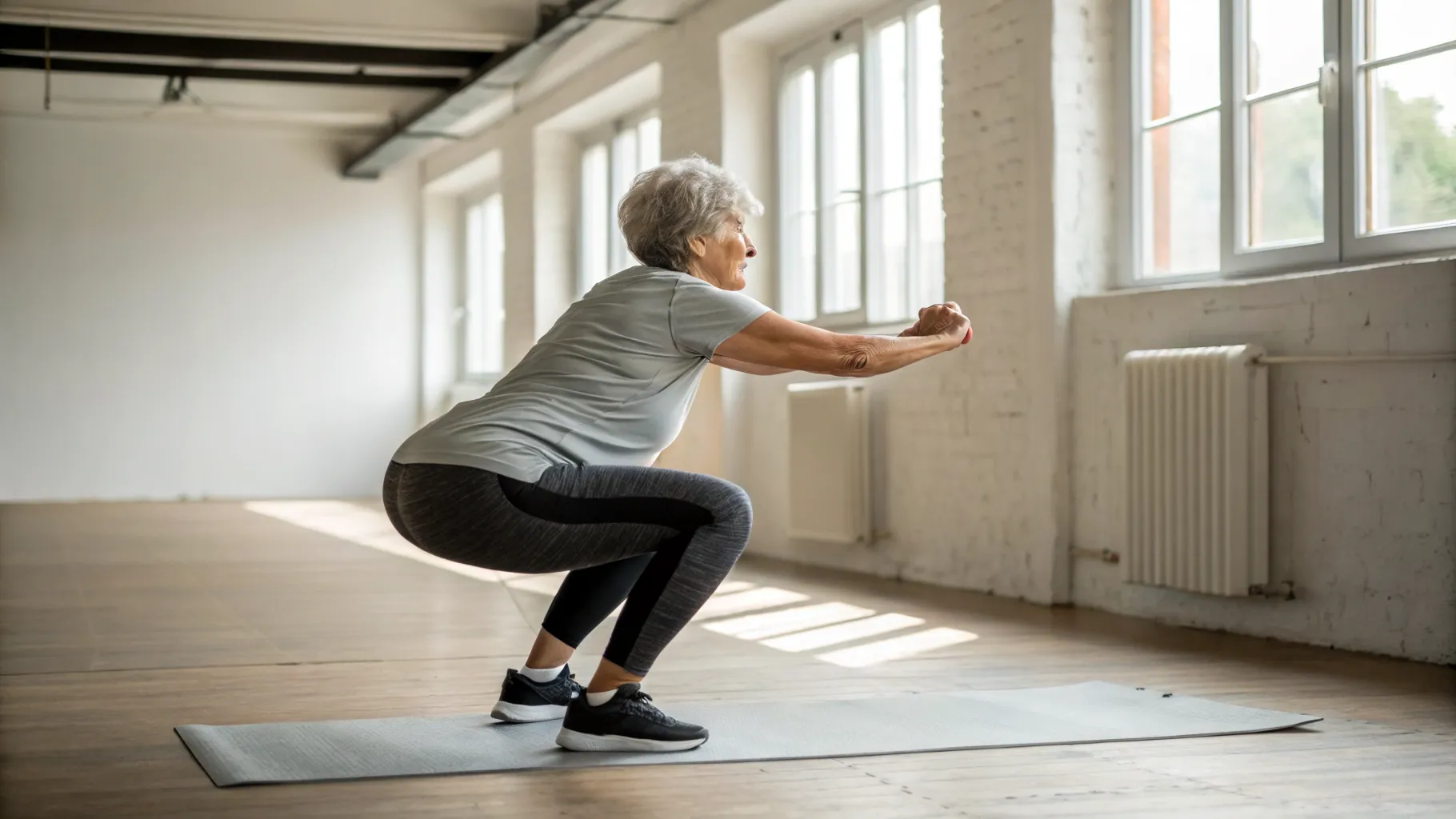
Also known as resistance training, muscle-strengthening exercises involve moving your body, a weight, or some other resistance against gravity. These activities are critical because muscles pulling on bones also stimulates bone growth. This makes them one of the most important types of bone strengthening exercises. You can use free weights, weight machines at a gym, elastic resistance bands, or even your own body weight (e.g., squats, push-ups against a wall). Focusing on major muscle groups, especially those around the spine and hips, is particularly beneficial. An effective osteoporosis workout should include resistance training two to three times per week on non-consecutive days.
Flexibility and Balance Exercises
While these exercises don't directly build bone mass, they are an indispensable part of any program of osteoporosis exercises. Improved flexibility helps maintain good posture and prevents muscle stiffness, while enhanced balance dramatically reduces the risk of falls—the leading cause of fractures in older adults. Activities like Tai Chi and gentle yoga are excellent for improving both balance and coordination. Simple daily exercises, such as standing on one leg for short periods (while holding onto a stable surface), can also make a huge difference in your stability and confidence.
Weight-Bearing vs. Muscle-Strengthening: A Closer Look
Understanding the distinct yet complementary roles of weight-bearing and muscle-strengthening exercises is crucial for anyone looking to exercise with osteoporosis. Weight-bearing exercises, like walking, apply a direct, top-down force through the skeleton, which is excellent for the bones in your legs, hips, and lower spine. In contrast, muscle-strengthening or resistance exercises create tension as muscles contract and pull on the bones they are attached to. This pulling action provides the necessary stimulus for bone growth in a more targeted way, affecting areas like the wrists, arms, and upper spine that might not be as stressed during walking. The ideal osteoporosis workout integrates both. For example, a session might include a 30-minute brisk walk (weight-bearing) followed by a series of exercises with resistance bands or light weights (muscle-strengthening).
Creating a Safe and Effective Osteoporosis Exercise Plan
Starting a new exercise routine requires careful planning, especially when managing a condition like osteoporosis. The primary goal is to gain all the benefits of physical activity while minimizing the risk of injury. Here are actionable steps to ensure your journey with osteoporosis exercises is safe and successful:
- Consult a Professional: Before you begin, speak with your doctor or a physical therapist. They can assess your bone density, fracture risk, and overall fitness level to recommend the safest and best exercises for osteoporosis for your specific condition.
- Focus on Posture and Form: Proper technique is paramount. Poor form not only reduces the effectiveness of an exercise but can also put undue stress on your spine and other vulnerable areas. Consider working with a qualified trainer initially to learn the correct movements.
- Avoid Risky Movements: Certain exercises should be avoided. These include activities that involve bending forward from the waist (like toe-touches), high-impact twisting motions (like a full golf swing), and any exercise that carries a high risk of falling.
- Start Slow and Progress Gradually: Don't try to do too much too soon. Begin with lighter weights and fewer repetitions. As you get stronger, you can gradually increase the intensity, duration, or resistance of your osteoporosis workout. Listening to your body is essential.
Frequently Asked Questions
What are the best exercises for osteoporosis?
The best exercises for osteoporosis include a combination of low-impact weight-bearing activities like brisk walking, muscle-strengthening exercises using weights or resistance bands, and balance exercises like Tai Chi. This combination helps build bone density and reduce fall risk.
How often should I perform bone strengthening exercises?
For optimal results, aim to perform bone strengthening exercises (resistance training) two to three times per week, with at least one day of rest in between to allow your muscles and bones to recover and rebuild. Weight-bearing cardio exercises can be done on most days of the week for 30-45 minutes.
Are there exercises to avoid if I have osteoporosis?
Yes. It's crucial to avoid high-impact exercises like jumping or running, as well as movements that involve excessive bending or twisting of the spine. Activities like sit-ups, toe-touches, and certain yoga poses that flex the spine should be avoided to minimize the risk of a spinal fracture when you exercise with osteoporosis.
References
- National Osteoporosis Foundation, Exercise for Strong Bones
- International Osteoporosis Foundation, Exercise Recommendations
- American College of Sports Medicine, Physical Activity and Bone Health