Options for Managing and Treating Knee Pain Effectively
Effective Options for Managing and Treating Knee Pain
Knee pain is a common complaint that affects millions of people around the world, with increasing prevalence observed in diverse age groups. As of 2025, data shows that more individuals are proactively seeking treatments for this debilitating condition, which can significantly impair daily activities and reduce quality of life. The good news is that effective management strategies exist, ranging from conventional medical treatments to innovative therapies, home remedies, and lifestyle modifications. Let's explore the diverse options available for those seeking relief from knee pain.
Understanding Knee Pain Treatments
When it comes to treating knee pain, understanding the root cause is crucial. Whether it's due to arthritis, overuse, injury, or other underlying conditions, the treatments vary. Recent statistics from medical reports indicate a marked increase in patients utilizing medical interventions, highlighting the importance of informed treatment choices. Here are some effective treatments worth knowing about:
Common Medical Treatments for Knee Pain
- Non-steroidal Anti-inflammatory Drugs (NSAIDs): These drugs, including ibuprofen and naproxen, have become the go-to for many individuals suffering from knee discomfort. They are largely favored due to their ability to effectively reduce inflammation and alleviate pain, offering quick relief for acute episodes.
- Corticosteroid Injections: For those experiencing localized pain, corticosteroids provide significant benefits. Administered directly into the knee joint, these injections can result in noticeable pain relief, with many patients reporting improved mobility that can last weeks or even months following the procedure.
- Hyaluronic Acid Injections: Designed to enhance joint lubrication, this treatment has seen a rise in popularity. Recent studies advocate for its efficacy in improving daily activities by reducing friction in the knee joint—making it easier to move without discomfort.
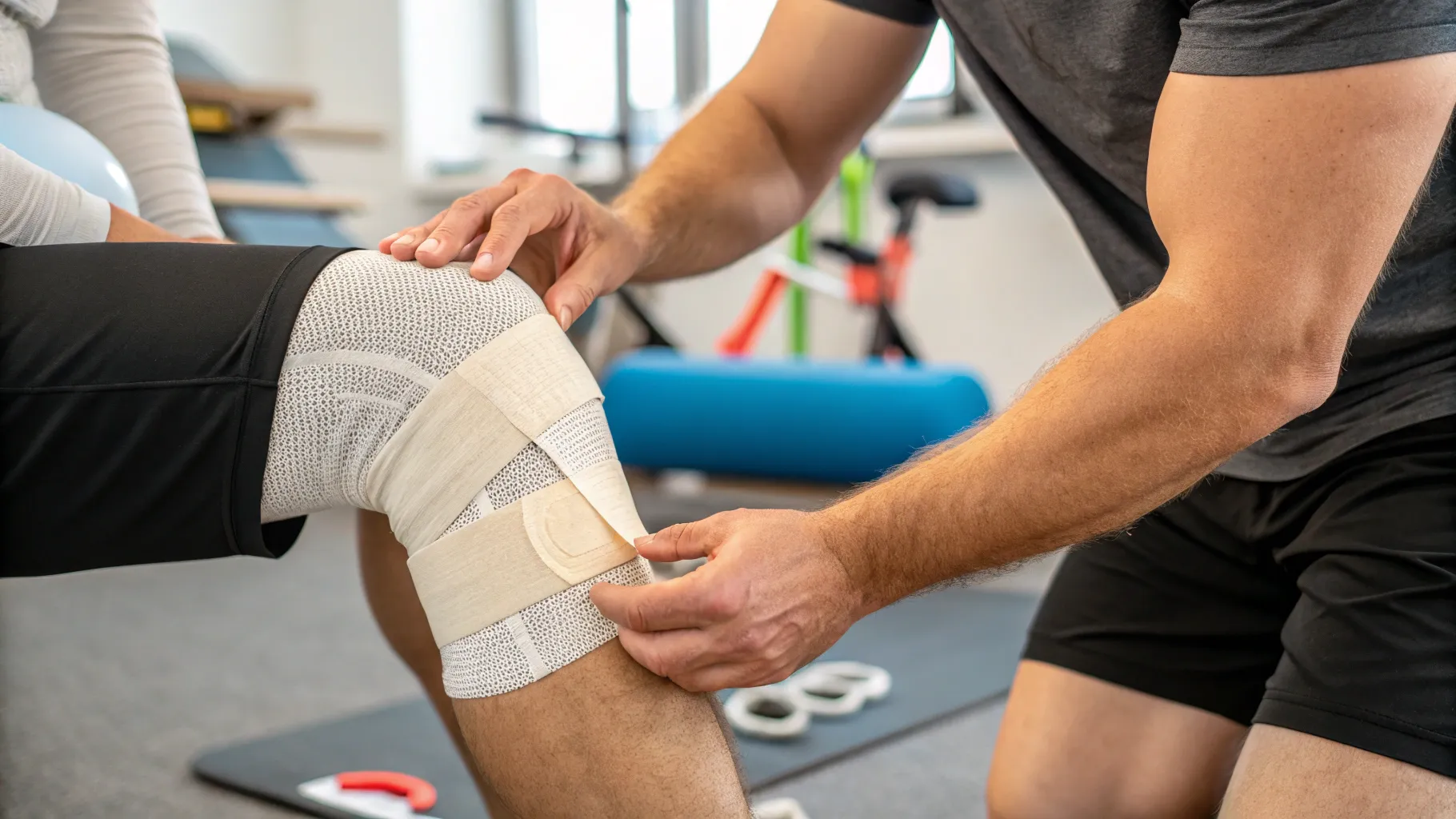
- Physical Therapy: A cornerstone of conservative management, physical therapy is particularly effective post-injury or surgery. Licensed physiotherapists work with patients to develop personalized exercise regimens aimed at strength-building and improving mobility.
- Arthroscopic Surgery: For those whose knee pain persists despite conservative treatments, surgical options like arthroscopy can offer substantial relief. This minimally invasive procedure is effective for repairing joint damage, leading to faster recovery times.
Benefits of Physical Therapy for Knee Pain
Physical therapy is becoming increasingly recognized not only as a treatment post-injury but as a preventive measure as well. Patients who engage with physical therapists often report improved outcomes. Effective strategies utilized in therapy sessions include:
- Strengthening Exercises: Building muscle strength around the knee joint is critical. Exercises targeting the quadriceps and hamstrings optimize support for the knee, significantly alleviating pressure during movement.
- Flexibility Training: Incorporating stretching and flexibility exercises helps maintain an optimal range of motion. Methods such as yoga not only improve flexibility but also promote relaxation and overall well-being.
- Manual Therapies: Trained physical therapy professionals use practical, hands-on techniques to enhance joint mobility and relieve pain through manipulation, which has been reported to lead to remarkable improvements.
The combination of these approaches often results in lasting improvements that enable individuals to return to their regular activities with confidence.
Home Remedies to Soothe Knee Pain
For those looking for quick relief without immediate access to medical treatment, many effective home remedies are readily available. In recent months, interest in these natural alternatives has surged. Here are some widely recommended home strategies:
- Ice and Heat Therapy: Utilizing ice packs can mitigate swelling and numb acute pain, while heat packs are effective at relaxing tight muscles. Alternating between the two can provide compound benefits.
- Turmeric: Renowned for its anti-inflammatory properties, turmeric can be integrated into the diet or taken as a supplement. Many individuals have reported reduced inflammation and improved knee comfort after regular consumption.
- Elevation and Compression: Elevating the knee while using compression bandages helps minimize swelling and pain, proving to be particularly effective after long periods of standing or walking.
- Weight Management: Maintaining an optimal weight is crucial. Reducing excess weight significantly lessens stress on the knees and improves overall mobility, especially in individuals with osteoarthritis.
- Magneisum and Omega-3 Supplements: Emerging evidence suggests these supplements contribute to decreased knee pain and enhanced joint function, making them a worthy consideration for those seeking alternative treatments.
Lifestyle Adjustments to Enhance Knee Health
Embracing a holistic approach often leads to better long-term management of knee pain. Healthcare professionals advocate for awareness of lifestyle choices that impact joint health. Key changes that have proven helpful include:
- Regular Physical Activity: Engaging in low-impact activities like swimming, cycling, or walking helps strengthen knee-supporting muscles without overburdening the joints. Daily movement encourages joint flexibility and overall body health.
- Balanced Nutrition: A diet rich in anti-inflammatory foods—such as leafy greens, fatty fish, and nuts—supports knee health and reduces inflammation, contributing to improved joint function.
- Posture Improvement: Proper body mechanics during daily activities can prevent strain on the knees. Paying attention to posture is essential for those who perform repetitive tasks, as it protects against unnecessary wear and tear on the joints.
The integration of these lifestyle changes is often accompanied by substantial improvements in mobility and pain levels. Many individuals find that dedicating time to nourishing their bodies and engaging in appropriate physical activity can make a significant difference in their overall knee health.
In summary, the journey towards managing knee pain is often multifaceted, integrating medical, therapeutic, and lifestyle choices tailored to individual needs. As more people become aware of the wide array of available options—from cutting-edge medical interventions to tried-and-true home remedies—hope for effective pain management is ever-present. For anyone affected by knee pain, understanding and exploring these diverse treatment avenues can lead to a more vibrant, active lifestyle.