Nutrition Strategies for Osteoporosis Prevention in Seniors
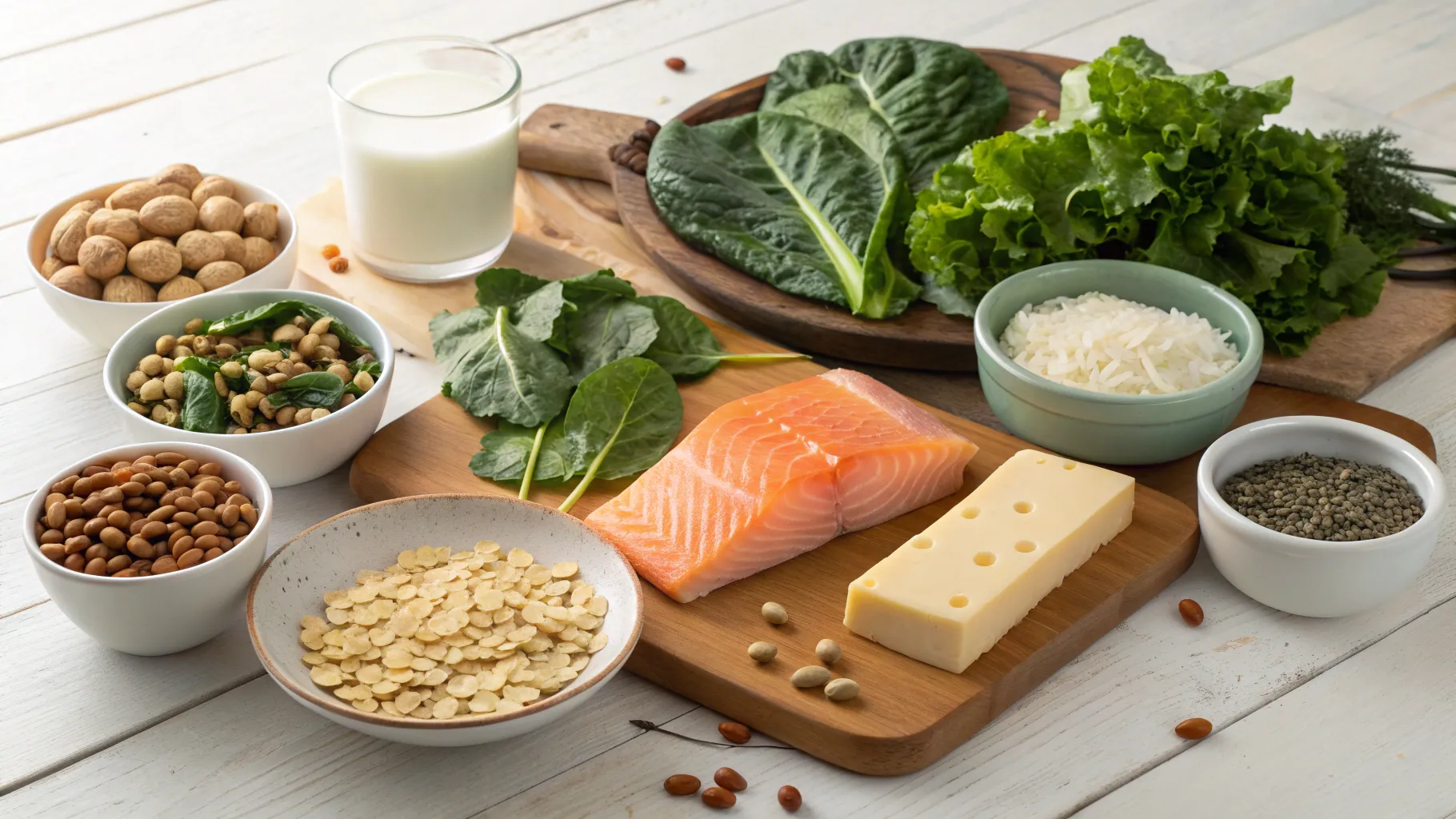
Understanding How Diet Helps Prevent Osteoporosis in Older Adults
In the year 2025, as we navigate the challenges of aging, the importance of maintaining bone health is more vital than ever, particularly for older adults who are more susceptible to osteoporosis. Recent statistics reveal that nearly 54 million Americans aged 50 and older face issues related to low bone density. This raises a significant public health concern, underlining the need for awareness and proactive measures. One of the most effective strategies for preventing osteoporosis is through proper dietary choices.
Nutrition for Older Adults and Its Impact on Bone Health
Nutrition plays a fundamental role when it comes to maintaining bone density and overall health. An optimal diet rich in essential nutrients is crucial for preventing osteoporosis. Among the various nutrients, calcium and vitamin D have emerged as two of the most significant contributors to bone health.
Key Nutrients for Bone Health
Calcium is often regarded as the cornerstone of bone health. This important mineral is essential for building and sustaining strong bones, especially for individuals aged 50 and over, who require about 1,200 mg of calcium per day. While dairy products such as milk, cheese, and yogurt are excellent sources of calcium, there are numerous non-dairy alternatives available.
- Leafy greens: Kale, collard greens, and broccoli are packed with calcium and make great additions to any meal.
- Fortified foods: Many plant-based milk alternatives, breakfast cereals, and juices are fortified with calcium, making it easier to achieve daily targets.
- Fish: Canned sardines and salmon not only provide calcium but also omega-3 fatty acids, which contribute to overall bone health.
Vitamin D, essential for calcium absorption, is often obtained from sunlight. However, during less sunny months, ensuring adequate vitamin D intake through diet becomes crucial. Foods like fatty fish, egg yolks, and fortified products – think yogurts and certain cereals – can help bridge any gaps in nutritional intake.
Protein: A Building Block for Bone Density
Protein, while sometimes overlooked, is a vital nutrient that supports bone structure and enhances calcium absorption. Recent studies have indicated that older adults who maintain a diet rich in protein exhibit greater bone mass. To ensure a robust protein intake, consider incorporating:
- Lean meats: Chicken and turkey are both excellent sources of protein.
- Plant proteins: Incorporating legumes, nuts, and seeds can significantly boost protein levels in your diet.
- Dairy products: Beyond calcium, these foods also provide ample protein.
It's key to distribute protein consumption throughout the day for optimal absorption and benefits to bone health. Studies suggest aiming for 25 to 30 grams of protein per meal can significantly influence overall health.
Other Essential Nutrients and Lifestyle Factors
While calcium and vitamin D are pivotal, several other nutrients play a crucial role in promoting bone health:
- Magnesium: This can be found in nuts, seeds, and whole grains and is important for maintaining overall bone structure.
- Vitamin K: Leafy greens and certain vegetable oils provide vitamin K, which is vital for the mineralization of bones.
- Zinc: Seafood and meats help facilitate bone renewal, making them another important part of a bone-healthy diet.
In addition to dietary choices, lifestyle factors significantly impact bone health. Regular participation in weight-bearing exercises such as walking, dancing, or hiking can help improve bone density. Moreover, avoiding excessive alcohol consumption and quitting smoking are essential steps towards better bone health.
Osteoporosis Prevention Tips Through Diet
Incorporating bone-healthy foods into daily diets doesn't have to be daunting. Here are practical, actionable tips to help seniors maintain a diet that resonates with their nutritional needs:
- Balance meals: Aim to include a source of protein, calcium, and vitamin D in every meal for optimal nutrition.
- Snacking smart: Opt for healthy snacks such as yogurt, cheese, or mixed nuts to keep nutrient levels consistent throughout the day.
- Stay hydrated: Proper hydration is essential, and consider drinks fortified with calcium and vitamin D to boost intake.
- Plan meals: Weekly meal planning can guarantee that nutrient-rich foods are consistently available and consumed.
- Regular check-ups: Stay proactive with periodic health assessments to monitor bone density and make necessary dietary adjustments.
Open communication with healthcare providers or nutritionists can tailor dietary habits to individual needs, ensuring that any specific health issues or restrictions are adequately addressed.
As awareness of osteoporosis continues to expand, the power of a nutrient-dense diet becomes increasingly clear. By focusing on a variety of foods from the major food groups, older adults can profoundly impact their bone health and overall quality of life. Whether it's blending a calcium-rich smoothie for breakfast or enjoying a vibrant salad packed with greens for lunch, every meal presents an opportunity to strengthen the foundation of bone health.
Taking proactive steps through diet and lifestyle changes can enable older adults to maintain their independence and vitality as they navigate the later stages of life. With understanding and commitment to nutrition, the journey towards enhanced bone health and well-being becomes not only attainable but also enjoyable.