Essential Vitamins for Older Women: A 2025 Guide to Nutrient Needs
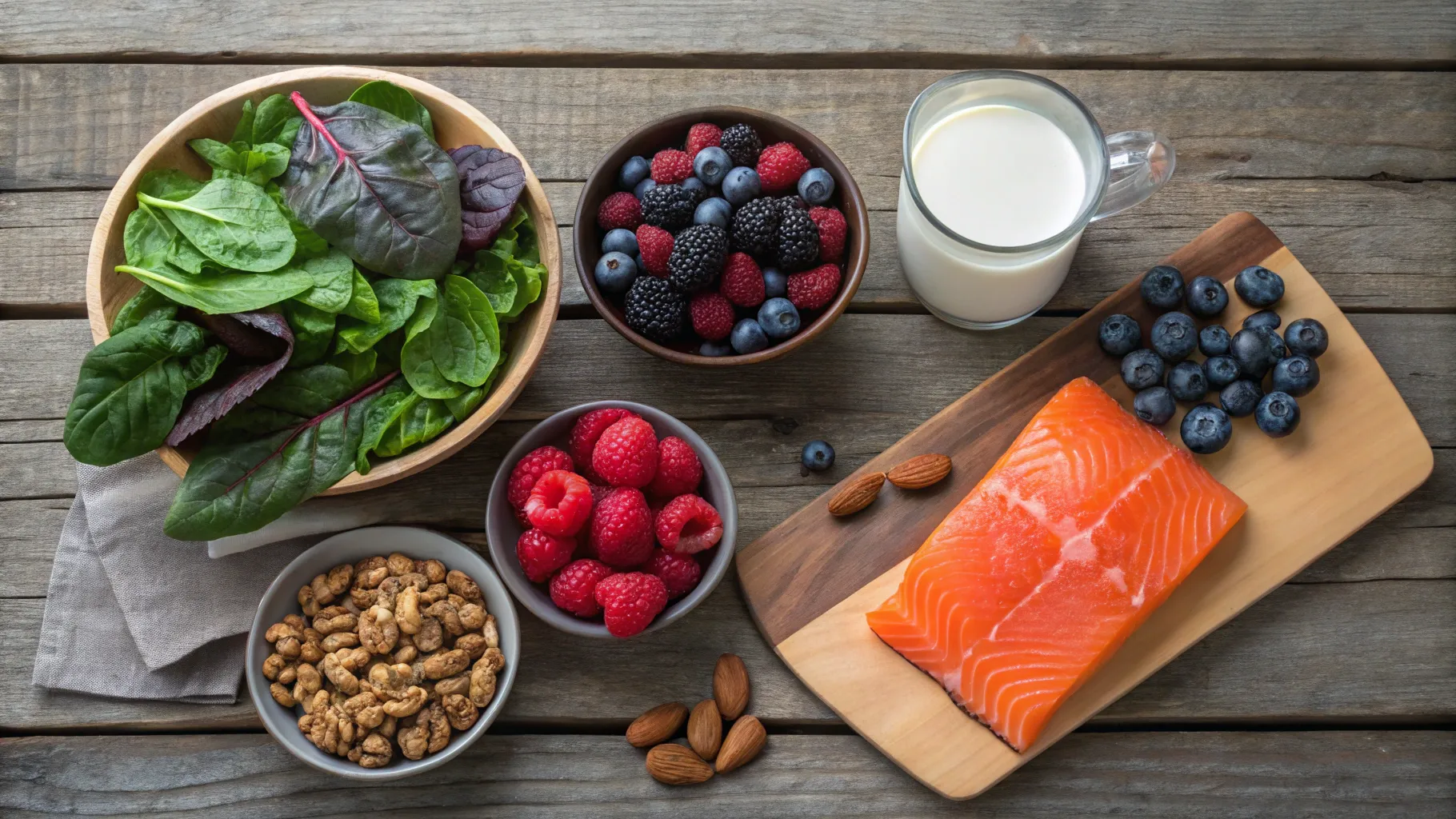
As we navigate through 2025, understanding the shifting landscape of women's health nutrition becomes increasingly vital, especially as we age. The body's requirements evolve, and what once sustained us may now need adjustments. This guide focuses on the specific nutrient needs for aging women, ensuring you have the knowledge to support your health and vitality for years to come.
Understanding Nutrient Requirements as You Age
Metabolism naturally slows down with age, and the body's ability to absorb certain nutrients can decrease. This makes it crucial for women over 50 to focus on nutrient-dense foods. Key physiological changes, such as a decline in bone density and muscle mass, demand a more targeted approach to diet. A thorough grasp of these changing aging wellness nutrients is the first step toward proactive health management and is fundamental to understanding nutrient requirements.
Essential Vitamins and Minerals for Maturing Women
Certain micronutrients become particularly important in later life. Ensuring adequate intake of these can help prevent common age-related health issues. Here are some of the most essential vitamins for older women.
Calcium
Vital for maintaining strong bones and preventing osteoporosis, a condition that disproportionately affects women after menopause. Dairy products, fortified plant-based milks, leafy greens like kale, and sardines are excellent sources.
Vitamin D
This vitamin works in tandem with calcium, as it's necessary for calcium absorption. Sun exposure is a primary source, but as we age, our skin's ability to synthesize Vitamin D diminishes. Fatty fish, fortified foods, and supplements are often recommended.
Vitamin B12
Crucial for nerve function and the formation of red blood cells. The ability to absorb B12 from food can decrease with age due to lower stomach acid production. Fortified cereals, lean meats, and fish are good dietary sources.
Magnesium
This mineral plays a role in over 300 biochemical reactions in the body, including muscle function, nerve transmission, and blood sugar control. Find it in nuts, seeds, whole grains, and leafy green vegetables.
The Role of Macronutrients in Women’s Health Nutrition
Beyond vitamins and minerals, macronutrients—protein, carbohydrates, and fats—are the cornerstones of a healthy diet. For aging women, the focus should be on quality.
- Protein: Essential for preserving muscle mass, which declines with age. Include sources like lean meats, poultry, fish, beans, lentils, and tofu in your daily meals.
- Fiber: Important for digestive health and preventing constipation, a common issue in older adults. Whole grains, fruits, vegetables, and legumes are packed with fiber.
- Healthy Fats: Omega-3 fatty acids, found in fatty fish, flaxseeds, and walnuts, support brain health and reduce inflammation.
Practical Dietary Strategies for Optimal Wellness
Meeting the nutrient needs for aging women doesn't have to be complicated. Focus on creating a colorful plate filled with a variety of whole foods. Try to plan your meals, stay hydrated by drinking plenty of water throughout the day, and listen to your body's hunger and fullness cues. A balanced diet is the most effective way to secure these essential nutrients.
Consulting a Healthcare Professional
While a food-first approach is always best, sometimes supplements are necessary to fill nutritional gaps. Before adding any supplements to your routine, it's critical to consult with a doctor or a registered dietitian. They can provide personalized advice based on your individual health status and help you safely navigate the world of essential vitamins for older women.
References:
https://www.nia.nih.gov/health/vitamins-and-minerals/dietary-supplements-older-adults
https://www.mayoclinic.org/healthy-lifestyle/nutrition-and-healthy-eating/in-depth/nutrition-for-women/art-20045189
https://www.eatright.org/health/wellness/healthy-aging/special-nutrient-needs-of-older-adults