Navigating the World of Police Impound Motorcycles for Sale
Police impound lots can sometimes be a source for individuals looking to purchase motorcycles at potentially lower prices. However, understanding the process, legalities, and potential risks involved is essential before attempting such a purchase. These motorcycles often come with a unique history and require a diligent buyer to navigate the acquisition successfully.
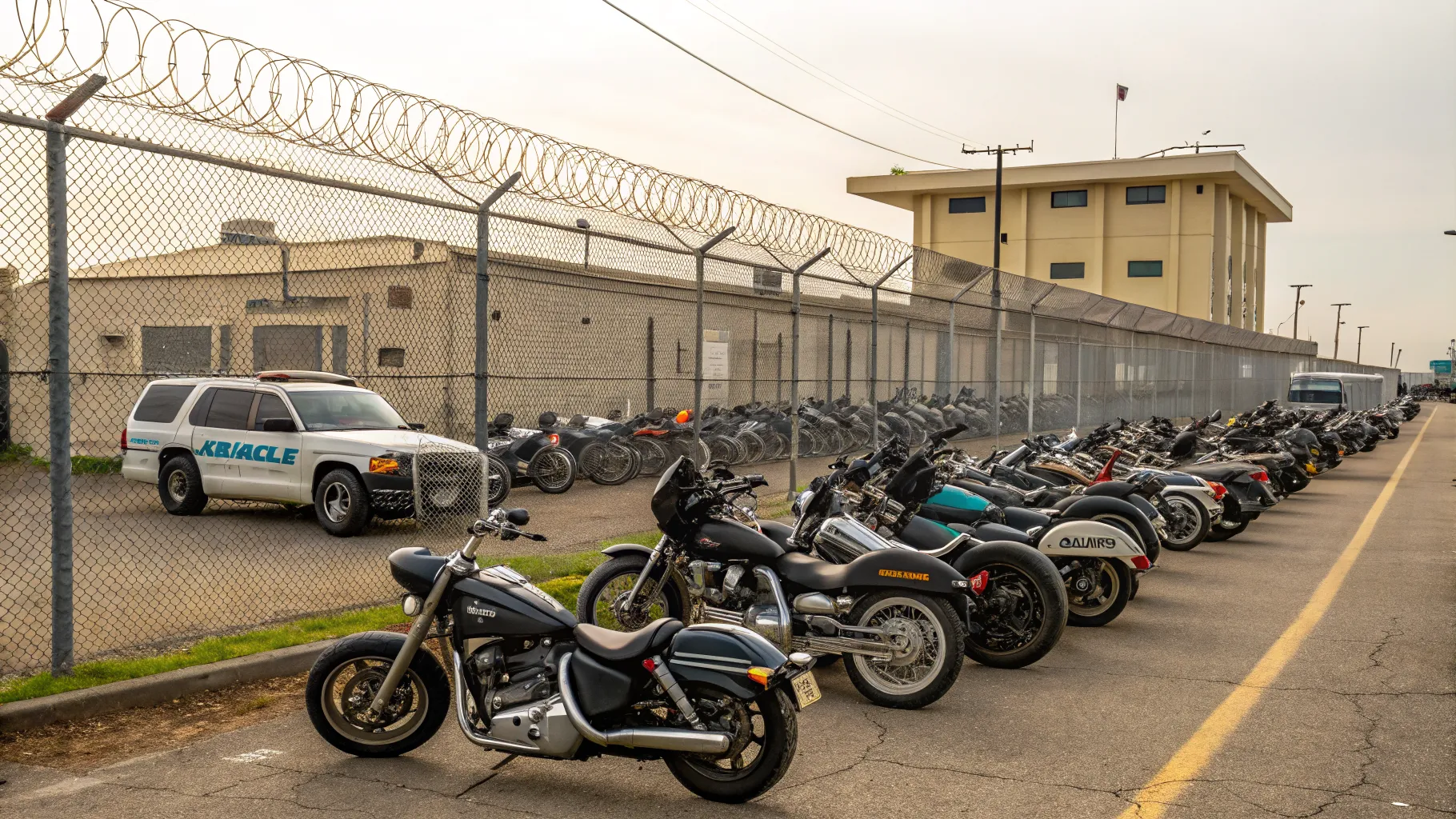
Understanding Police Impounds and Seizures
Motorcycles can end up in a police impound lot for various reasons, ranging from minor infractions to serious criminal activities. Common scenarios include vehicles abandoned on public property, motorcycles involved in traffic violations where the owner cannot or will not move them, or those seized due to unpaid parking tickets or lack of proper registration and insurance. In many cases, if the owner fails to claim the vehicle within a specified period and pay all associated fees, the municipality gains the right to sell it.
Beyond traffic-related incidents, motorcycles might also be seized as evidence in criminal investigations, or as assets forfeited in drug cases or other legal proceedings. Once the legal process concludes and the vehicle is no longer needed as evidence or is legally forfeited, it can then be cleared for sale to the public. These legal pathways ensure that the transfer of ownership is legitimate, though often complex.
How Impounded Motorcycles Enter the Market
The journey of an impounded motorcycle from a police lot to a public buyer typically involves several stages. Initially, the motorcycle is held for a set period, allowing the original owner an opportunity to reclaim it by paying outstanding fines, towing, and storage fees. If the owner does not come forward or cannot meet these obligations, the vehicle is then declared abandoned or forfeited.
Following this declaration, the government agency or municipality usually moves to liquidate the asset. This often happens through public auctions, which can be conducted online or in person. The goal is to recover the costs incurred for towing, storage, and administrative processing. The specific rules and procedures for these sales can vary significantly by state, county, or even city, so potential buyers must research local regulations.
Where to Find Impounded Motorcycle Sales
For those interested in purchasing an impounded motorcycle, several avenues exist, though patience and persistence are often required. One of the primary sources is local government and police department auctions. Many police departments, sheriff's offices, and city municipalities regularly hold auctions to clear out impounded vehicles.
- Government Surplus Websites: Many local and state governments list their surplus property, including vehicles, on dedicated online auction platforms. Websites like GovDeals, PublicSurplus, and Copart often feature such items.
- Local Newspaper Listings: Public auction notices are sometimes published in the legal sections of local newspapers or on municipal websites.
- Specialized Auction Houses: Some commercial auctioneers specialize in government and police surplus sales, acting as intermediaries between the agencies and the public.
- Direct Police Department Inquiries: In some smaller jurisdictions, you might be able to inquire directly with the local police department or impound lot about upcoming sales.
What to Expect When Buying an Impounded Motorcycle
Buying an impounded motorcycle often means purchasing it 'as-is,' without any warranties or guarantees regarding its condition or operational status. These motorcycles have often been neglected, vandalized, or involved in accidents before being impounded. Therefore, buyers should anticipate the need for repairs, maintenance, or even extensive restoration work.
Prospective buyers should also expect limited historical information. Unlike purchases from private sellers or dealerships, there's usually no opportunity to discuss the motorcycle's maintenance history, previous repairs, or any issues it might have had. You are often buying based solely on its current visual condition and any minimal details provided in the auction listing, which might be sparse.
Key Considerations Before Making a Purchase
Before committing to an impounded motorcycle, thorough due diligence is paramount. It is highly recommended to physically inspect the motorcycle if at all possible. Look for signs of major damage, rust, fluid leaks, missing parts, or electrical issues. If you are not mechanically inclined, consider bringing a qualified mechanic with you to assess the vehicle's true condition.
Another critical step is to perform a Vehicle Identification Number (VIN) check. This check can reveal if the motorcycle has been reported stolen, has a salvage title, or has been involved in major accidents. A clear title is essential for proper registration, and understanding the title status before purchase can save significant headaches later. Also, factor in potential costs beyond the purchase price, such as towing, storage fees (if applicable), title transfer fees, and inevitable repair expenses.
The Paperwork Trail: Titles and Registration
One of the most crucial aspects of buying an impounded motorcycle is ensuring you receive a legitimate and clear title. Without proper documentation, you will likely be unable to register the vehicle in your name, rendering it unusable on public roads. Auction houses or government entities selling impounded vehicles should provide a clear title or a certificate of sale that enables you to apply for a new title.
Be wary of vehicles offered without any title, or those with 'salvage' or 'junk' titles, unless you are specifically looking for parts or a project that will never be street legal. Salvage titles indicate significant damage and often require a costly inspection process to be deemed roadworthy again. Always confirm the type of title you will receive and understand the steps required to transfer ownership and register the motorcycle in your jurisdiction.
Potential Risks and How to Mitigate Them
While the allure of a low-cost motorcycle is strong, several risks are associated with buying impounded vehicles. The most significant risk is the unknown condition of the motorcycle. It might have hidden mechanical problems, frame damage, or electrical issues that are not immediately apparent, leading to unexpected repair costs that could quickly negate any initial savings.
To mitigate these risks, always prioritize a physical inspection by a professional. Allocate a budget for potential repairs that exceeds the purchase price. Thoroughly research the seller and the auction process, understanding their terms and conditions. Most importantly, ensure you obtain a clean, transferable title and understand all associated fees and legal requirements before finalizing any purchase. By proceeding with caution and an informed approach, you can improve your chances of a successful acquisition.