Unlock Value: Navigating Police Impound Auctions for Motorcycles
Facts:
- Many government agencies host police impound auctions annually.
- Increased demand for affordable motorcycles drives participation in motorcycle auctions.
Understanding the World of Police Impound Motorcycle Auctions
Embarking on the journey to acquire a motorcycle can be exciting, especially when exploring unconventional avenues like police impound auctions. These motorcycle auctions offer a unique opportunity to purchase impounded motorcycles at potentially significantly lower prices than traditional dealerships or private sellers. However, navigating these events requires specific knowledge and preparation to ensure a successful and rewarding experience. This guide will delve into the intricacies of finding, evaluating, and bidding on seized motorcycles.
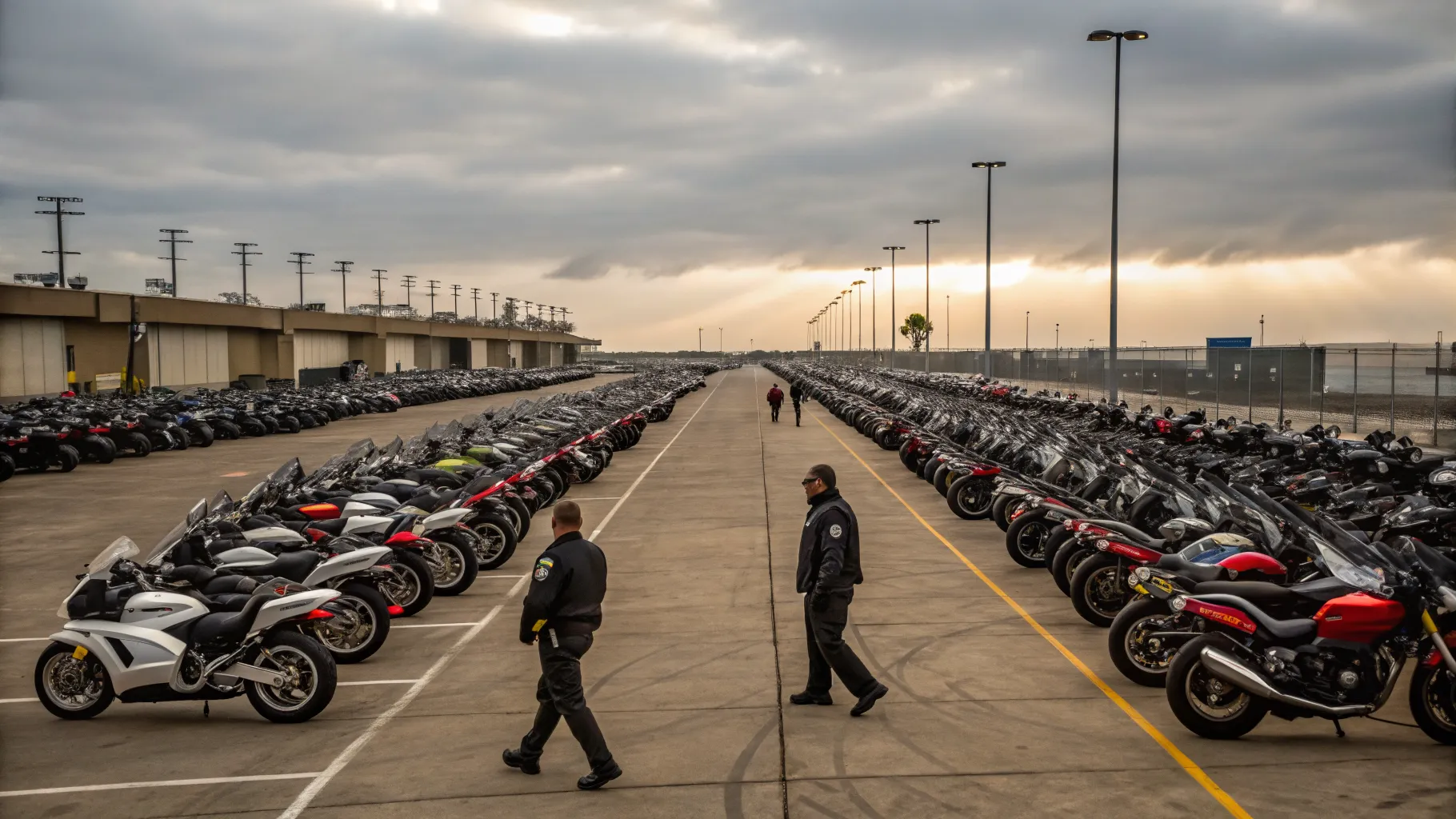
The Mechanics of Police Impound Auctions
Police impound auctions are distinct events organized by law enforcement agencies, municipal governments, or third-party contractors to liquidate vehicles, including impounded motorcycles, that have been seized, abandoned, or declared surplus. These auction bikes often come from various circumstances, such as traffic violations, criminal investigations, or non-payment of towing and storage fees. Understanding the underlying reasons for seizure can sometimes provide insight into the potential condition of the vehicle. Unlike typical retail environments, these motorcycle auctions prioritize rapid asset disposal, leading to competitive pricing. Buyers attending these public auctions should be prepared for a fast-paced environment and a 'buyer beware' philosophy, meaning thorough due diligence is paramount for any potential auction bikes.
Finding Reputable Police Impound Auctions
Locating legitimate police impound auctions requires a proactive approach. Government websites, particularly those for local police departments, sheriff's offices, or county administration, are primary resources. Many jurisdictions also utilize specialized auction house websites that list upcoming motorcycle auctions for seized motorcycles. Subscribing to email newsletters from these auctioneers can provide timely notifications. Additionally, local classifieds or dedicated online search engines for government auctions often feature listings for impounded motorcycles. It's crucial to verify the authenticity of the auction house and ensure they are reputable, as fraudulent listings can exist. Always cross-reference information with official government sources before planning to attend or bid on any auction bikes.
Essential Pre-Auction Inspection Strategies
A critical step before participating in police impound auctions is a meticulous pre-auction inspection. While test rides are typically not permitted for impounded motorcycles, a visual inspection can reveal a wealth of information. Examine the frame for signs of damage or repair, check the tires for wear, and inspect the engine for leaks or corrosion. Pay close attention to the odometer reading and compare it with the overall condition of the auction bikes. Buyers should also check for VIN numbers to ensure they match any provided documentation and consider using a VIN check service to uncover any hidden history of the seized motorcycles, such as prior accidents or salvage titles. Bringing a flashlight and basic tools can aid in a more thorough examination during the brief inspection periods commonly offered at motorcycle auctions.
Bidding Successfully at Motorcycle Impound Auctions
Successful bidding at police impound auctions involves more than just raising your hand. It requires a well-defined bidding strategy and a clear understanding of your financial limits. Before the auction begins, set a maximum bid for each impounded motorcycle you are interested in, factoring in potential repair costs, taxes, and auction fees. Avoid getting caught up in the excitement of the moment, which can lead to overpaying for auction bikes. Observe the bidding patterns of other participants, and if possible, try to gauge their interest levels. Some motorcycle auctions use an incremental bidding system, while others are "no reserve," meaning the highest bid wins regardless of price. Familiarize yourself with the specific rules of each public auction to maximize your chances of securing seized motorcycles at a favorable price.
Post-Purchase Considerations and Paperwork
Once you've successfully won a bid at police impound auctions, the process isn't entirely over. You'll need to promptly handle payment, which is often required immediately or within a short window, and arrange for the collection of your impounded motorcycles. Be aware of any storage fees that might accrue if collection is delayed. The auction house will typically provide a bill of sale and possibly a certificate of title or salvage certificate, depending on the vehicle history. It is crucial to verify that all necessary paperwork is correctly completed and provided. You will then need to register the auction bikes with your local DMV, which may involve additional inspections or fees, especially for seized motorcycles with complex histories. Understanding these post-purchase steps is vital for a smooth transition from auction winner to proud owner.
Frequently Asked Questions
Are police impound auctions a good way to buy cheap motorcycles?
Yes, police impound auctions can be an excellent way to purchase motorcycle auctions at significantly lower prices than retail. However, it requires careful inspection and research, as the bikes are sold "as-is" and may have underlying issues. The savings often come with the potential need for repairs.
What kind of documentation do I receive for impounded motorcycles?
Typically, you will receive a bill of sale and often a title or a salvage certificate, depending on the status and vehicle history of the impounded motorcycles. It's crucial to confirm what documentation will be provided before bidding to ensure you can legally register the auction bikes.
References
- Official Government Auction Portals
- Local Law Enforcement Websites for Vehicle Seizure Information
- Specialized Automotive Auction Houses