Navigating 5 Hidden Renovation Costs: Safeguarding Your Home Improvement Budget
Facts:
- Renovations often exceed initial estimates.
- Cost overruns are common for homeowners embarking on home improvement budget projects.
Unveiling the True Price of Your Dream Home Transformation
Embarking on a home renovation project can be an exciting journey, promising to transform your living space into the home of your dreams. However, many homeowners are caught off guard by the financial realities that extend beyond the initial contractor quote. Understanding and preparing for these hidden renovation costs is paramount to maintaining your home improvement budget and preventing significant financial stress. Without careful planning and a realistic outlook, what begins as an exciting venture can quickly turn into a source of unexpected financial drain.
1. Unforeseen Structural and Foundation Problems
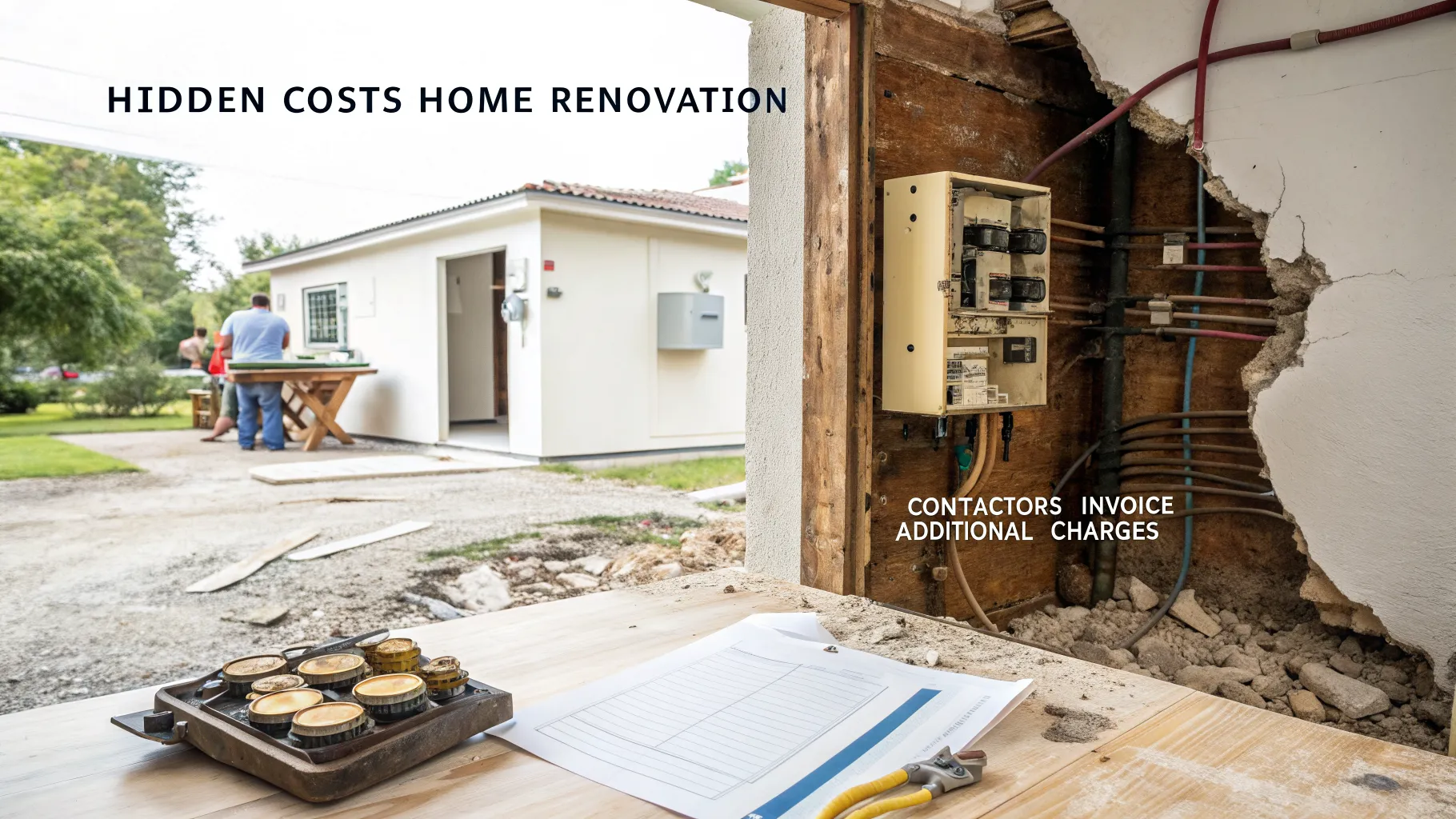
Beneath the surface of seemingly minor cosmetic upgrades often lie significant structural issues that can dramatically inflate your home improvement budget. When walls are opened or floors are removed, homeowners may discover problems like outdated wiring, plumbing leaks, mold infestations, or even foundational cracks that were previously hidden. Addressing these issues is not merely an option but often a necessity for safety and structural integrity. For example, replacing knob-and-tube wiring or galvanized pipes can be a substantial undertaking, adding thousands to the total cost. Ignoring these findings can lead to more severe problems down the line, making immediate remediation crucial, yet adding significantly to unexpected home expenses. Always factor in a contingency for such discoveries, as they are a common source of renovation overruns.
2. The Cost of Permits, Inspections, and Regulatory Compliance
Many homeowners overlook the bureaucratic aspect of home renovation, assuming minor changes won't require official clearance. However, most structural, electrical, or plumbing alterations necessitate permits from local authorities. The fees for these permits can vary widely depending on the project's scope and location, but they are a non-negotiable part of the process. Beyond the initial permit cost, you also need to account for mandatory inspections at various stages of the project. Failed inspections can lead to delays and additional expenses to rectify non-compliant work. Navigating these regulations and ensuring compliance is crucial, not just for legal reasons, but also for maintaining the safety and value of your property. These often-overlooked regulatory fees contribute to hidden renovation costs and can impact your overall home improvement budget if not planned for.
3. The Perils of Project Scope Creep and Change Orders
One of the most insidious contributors to renovation overruns is "project scope creep." This occurs when the initial plan for the renovation gradually expands, with homeowners deciding to add extra features, upgrade materials, or make additional changes as the project progresses. What starts as a simple bathroom remodel might evolve into wanting new flooring in the hallway, custom cabinetry, or a smart home system integration. While these additions might seem minor individually, each change order can significantly increase both the cost and the timeline of the project. Contractors often charge a premium for changes made mid-project due to adjustments in scheduling, material orders, and labor. To combat this, establish a clear vision and detailed plan before construction begins, and resist the urge for impulsive upgrades that lead to unexpected home expenses.
4. Temporary Living Expenses and Storage Costs
Depending on the scale and invasiveness of your renovation, staying in your home might not be feasible or comfortable. A major kitchen remodel, a bathroom overhaul, or extensive flooring work can render parts of your home uninhabitable for weeks or even months. This means you might need to budget for temporary accommodation, such as renting an apartment, staying in a hotel, or even eating out more frequently if your kitchen is out of commission. Additionally, you may need to rent storage units to protect your furniture and belongings from dust, damage, or theft during the construction phase. These ancillary costs – from rent and utilities to dining out and storage fees – can quickly accumulate, adding substantial amounts to your hidden renovation costs and overall home improvement budget that are often completely overlooked in initial estimates.
5. Post-Renovation Cleanup and Landscaping Repair
Once the construction dust settles, many homeowners find there's a significant amount of work still left to do. Professional post-construction cleaning services are often necessary to remove fine dust, debris, and paint splatters that typical household cleaning can't handle. These specialized services can be costly but are essential for a truly finished feel. Furthermore, the renovation process often takes a toll on the surrounding property. Landscaping, driveways, and pathways can be damaged by heavy equipment, material deliveries, and foot traffic. Repairing damaged lawns, replanting shrubs, or repaving disturbed areas adds another layer of unexpected home expenses. Accounting for these finishing touches and restorative efforts is a crucial part of anticipating the true extent of your renovation overruns and ensures your property looks its best both inside and out.
Strategic Planning for a Smooth Renovation Journey
Navigating the complexities of a home renovation requires more than just a vision; it demands meticulous planning and a robust understanding of potential financial pitfalls. To effectively manage your home improvement budget and minimize the impact of hidden renovation costs, consider these actionable steps. Start by building a detailed project scope that accounts for every known element, no matter how small. Secondly, allocate a significant contingency fund—typically 15-20% of your total estimated project cost—specifically for unforeseen issues. This buffer is your best defense against unexpected home expenses like structural surprises or required material upgrades. Thirdly, obtain multiple bids from reputable contractors and ensure their quotes are comprehensive, detailing labor, materials, and any known permit fees. Ask probing questions about their process for handling change orders and how they communicate potential cost increases. Finally, be prepared for a certain level of disruption; planning for temporary living arrangements or storage in advance can alleviate last-minute stress and prevent these from becoming truly hidden renovation costs. Proactive communication with your contractor and continuous monitoring of your budget are key to steering clear of substantial renovation overruns and achieving your renovation goals without undue financial strain.
- Detailed Project Scope: Before demolition begins, define every aspect of your renovation with clarity. Document material choices, fixture selections, and exact dimensions. This minimizes uncertainty and helps prevent project scope creep later on. A clear scope allows for more accurate initial bidding and reduces the likelihood of costly adjustments.
- Contingency Fund: Always set aside an emergency fund, typically 10-20% of your total project budget. This financial cushion is invaluable for covering unexpected home expenses such as unforeseen structural repairs, material delays, or necessary upgrades discovered during demolition. Without it, you risk derailing your entire home improvement budget.
- Thorough Contractor Vetting: Do not rush the hiring process. Request detailed quotes from multiple licensed and insured contractors. Scrutinize what is included (and excluded) in their bids. Inquire about their experience with similar projects and how they handle change orders and potential renovation overruns. References and reviews are critical.
- Permit & Inspection Research: Before finalizing plans, research all local permit requirements and associated costs for your specific renovation. Factor these fees and potential delays for inspections into your timeline and home improvement budget. Skipping permits can lead to fines, stop-work orders, and difficulties when selling your home.
- Plan for Disruption: Understand that renovations are disruptive. Budget for potential temporary housing, takeout meals, or secure storage for your belongings. These "soft costs" are often overlooked but can significantly add to your overall hidden renovation costs if not planned for.
Frequently Asked Questions
How much should I budget for unexpected home expenses during a renovation?
Experts generally recommend setting aside a contingency fund of 10-20% of your total estimated renovation cost for unexpected home expenses. This buffer helps cover unforeseen issues like structural repairs, plumbing problems, or electrical upgrades that are often only discovered once demolition begins. For older homes or more extensive projects, a higher percentage, perhaps up to 25%, might be advisable to mitigate renovation overruns effectively.
What are common hidden renovation costs that homeowners often forget?
Common hidden renovation costs include permit fees, inspection costs, temporary living arrangements (e.g., rent, hotel stays), storage unit rentals, professional post-construction cleaning, landscaping repair due to construction impact, and increased utility bills during the project. Additionally, the cost of disposing of construction debris and upgrading materials mid-project (project scope creep) are frequently overlooked.
How can I prevent renovation overruns and stay within my home improvement budget?
To prevent renovation overruns, start with a highly detailed project plan and stick to it strictly, avoiding "project scope creep." Secure comprehensive contracts from reputable builders that detail all costs. Allocate a robust contingency fund. Proactively research permit requirements and factor in associated fees and potential inspection delays. Maintain open and continuous communication with your contractor about progress and any potential cost changes to stay within your home improvement budget.
Do I always need permits for home renovations?
Permits are typically required for any renovation that involves structural changes, alterations to plumbing or electrical systems, additions, or significant modifications to the exterior of your home. Minor cosmetic changes like painting or replacing cabinets usually do not require permits. Always check with your local municipal building department to understand the specific requirements for your project to avoid fines and ensure compliance with building codes. This is a common source of hidden renovation costs if not handled properly.
References
- National Association of Home Builders (NAHB)
- U.S. Department of Housing and Urban Development (HUD)
- Renovation Industry Cost Analysis Reports
- Local Building Code and Permit Offices