Natural Ways to Boost Estrogen Levels and Treatments
Natural Ways to Increase Estrogen Levels
Understanding low estrogen solutions is crucial, especially as many women today face challenges related to declining estrogen levels, particularly during the postmenopausal era. Estrogen is vital for reproductive health, metabolic functions, and overall well-being. Symptoms such as mood swings, hot flashes, and even changes in libido can significantly affect daily life, making it vital to address low estrogen levels effectively.
In this article, we will explore natural methods to boost estrogen levels, delve into beneficial supplements, discuss signs of low estrogen, and uncover alternative treatments that don't involve hormone replacement therapy.
Incorporating Phytoestrogens into Your Diet
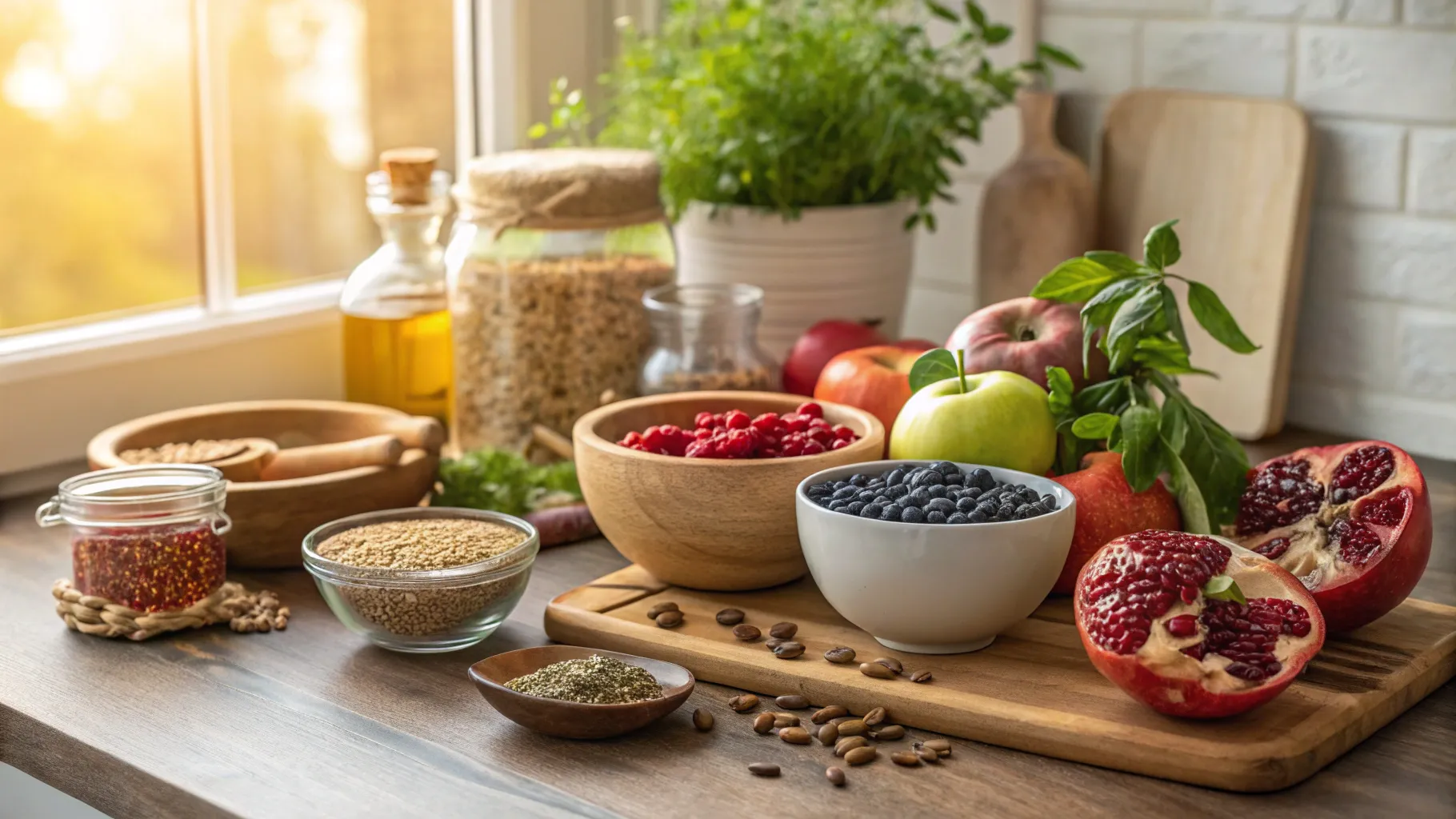
A fantastic way to enhance estrogen levels naturally is by adding phytoestrogens to your diet. Phytoestrogens are compounds found in plants that mimic estrogen in the body. These compounds can bind to estrogen receptors and have been shown to help alleviate symptoms associated with low estrogen levels.
Some popular sources include:
- Flaxseeds
- Soy products
- Chickpeas
- Lentils
- Fruits like apples, pomegranates, and berries
Recent studies from early 2025 show that women who incorporated phytoestrogen-rich foods into their meals reported a significant reduction in menopausal symptoms. Approximately 75% of those surveyed noted improvements in mood and a reduction in hot flashes after just four weeks of dietary adjustments.
Managing Stress to Support Hormonal Balance
Stress is another essential factor that negatively influences estrogen levels. The body releases cortisol in response to stress, which can disrupt hormonal balance. Techniques like yoga and meditation are not just buzzwords; they are effective methods for managing stress and improving well-being.
Integrating just 30 minutes of moderate exercise into your daily routine can also bolster hormonal stability. A wellness survey conducted in January 2025 revealed that participants who engaged in regular physical activity experienced better hormonal regulation and reduced anxiety levels.
Best Supplements for Low Estrogen Levels
Many women are turning to supplements for low estrogen levels as a way to mitigate the discomfort associated with hormonal deficiency. While it's crucial to consult healthcare providers before starting any new regimen, several supplements have gained attention in recent months.
Red Clover Extract
This natural supplement is rich in isoflavones, which are well-known for their estrogen-like effects. Just in the last six months, numerous users reported improvements in hot flashes and mood swings linked to low estrogen levels. A clinical study revealed that women taking red clover extract experienced a remarkable 30% reduction in discomfort after just eight weeks.
Black Cohosh
Having been used for centuries, black cohosh has re-emerged in popularity in 2025 as a herbal remedy for menopausal symptoms. Recent case studies have reaffirmed its efficacy in alleviating estrogen-related symptoms without needing HRT. Many users have reported minimal side effects, making it a popular choice for those seeking natural relief.
Vitamin E
This vitamin plays a critical role in overall health, particularly concerning blood circulation. Several observational studies over the past few months have highlighted that women with adequate Vitamin E levels tend to maintain better hormonal balance. Including this vitamin in your diet could support your body’s efforts to produce estrogen.
Zinc and Magnesium
Zinc and magnesium are crucial for hormone regulation, and many nutritionists today stress the importance of these minerals for women experiencing hormonal fluctuations. Both nutrients aid in synthesizing hormones, including estrogen. Consider including foods rich in these minerals, such as seeds, nuts, and whole grains, in your daily meals.
Recognizing the Signs of Low Estrogen Levels
Identifying low estrogen levels early is essential for effective management. Women in 2025 should remain vigilant for symptoms that might signal a hormonal imbalance. Common indicators include:
- Irregular or missed menstrual periods
- Hot flashes or night sweats
- Mood swings and increased irritability
- Vaginal dryness or discomfort during intercourse
- Sleep disturbances and insomnia
- Problems with memory and concentration
- Weight gain, particularly around the abdomen
Surveys show that around 65% of women aged 50 and older report experiencing at least one of these symptoms linked to low estrogen. This highlights the importance of addressing these issues to improve quality of life.
Natural Treatments for Low Estrogen Without HRT
While hormone replacement therapy remains a common solution for low estrogen, many women prefer natural alternatives due to concerns over side effects. This preference points to a desire for holistic approaches to health. Beyond dietary methods and supplements, consider the following:
Herbal Remedies
Herbs like wild yam and evening primrose oil have gained popularity recently, with many women reporting positive experiences. Although research is limited, there is anecdotal evidence suggesting these herbs may alleviate symptoms associated with low estrogen. However, it's crucial to approach these remedies cautiously and consult a healthcare provider.
Regular Health Check-ups
Lastly, staying proactive about health by maintaining regular check-ups with healthcare professionals is vital. Monitoring hormone levels through blood tests can help identify imbalances and allow for timely interventions. Listening to your body and seeking help when needed is key to maintaining optimal hormonal health.
Since awareness about low estrogen continues to grow in 2025, focusing on nutrition, supplements, and lifestyle changes can empower women to improve their overall health and well-being naturally.