Natural Ways to Support Bladder Health for Wellness
Natural Ways to Support Bladder Health in 2025
Bladder health is an important aspect of overall wellness, particularly for older adults. In 2025, there is growing interest in holistic approaches that include dietary choices, lifestyle habits, and natural practices. This article examines ways to support bladder health through everyday, natural strategies.
Foods and Beverages Supporting a Healthy Bladder
Your food choices are paramount in either supporting or undermining bladder function. While many might think hydration is enough, what you consume is just as critical. Let’s dive into the best foods and drinks that can enhance your bladder health:
- Water: Staying adequately hydrated is essential. Drinking about 8 to 10 glasses of water daily aids in diluting your urine. Not only does this help flush out toxins, but it also minimizes the risk of bladder irritation. That said, listening to your body is key; adjust your intake based on activity levels and climate.
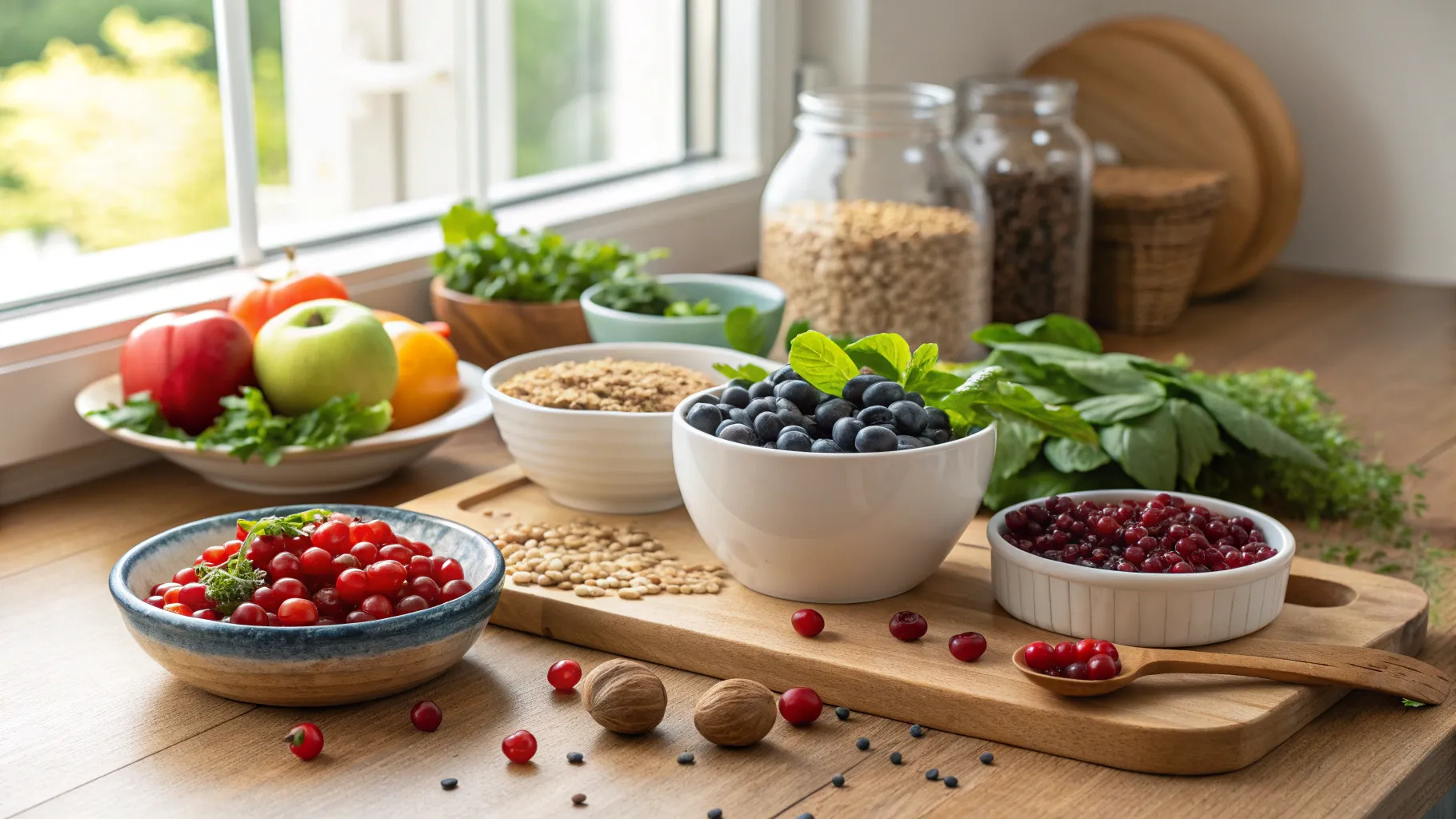
- Cranberries: Renowned for their urinary health benefits, cranberries help fend off bad bacteria from sticking to the bladder walls. Recent research has pointed towards cranberry extract capsules as being even more effective than juice, which often contains added sugar that might negate some benefits.
- Blueberries: These tiny powerhouses are loaded with antioxidants, which play a role in reducing inflammation in the urinary tract. The high vitamin C content also contributes positively to overall urinary health, promoting a healthy bladder environment.
- Probiotic Foods: Fermented foods such as yogurt, kimchi, and sauerkraut are great allies for maintaining a healthy microbiome. A balanced gut flora not only aids digestion but also supports the urinary system, providing a protective barrier against infections.
- Healthy Fats: Foods rich in Omega-3 fatty acids, including salmon, walnuts, and flaxseeds, offer anti-inflammatory properties. Reducing inflammation can lead to significant improvements in bladder health, especially for those with chronic conditions.
- Leafy Greens: Leafy vegetables like spinach, kale, and swiss chard are nutrient-dense and promote overall bodily functions, including those of the bladder. They provide essential vitamins and minerals that help keep your body’s systems running smoothly.
- Whole Grains: Incorporating whole grains like quinoa, brown rice, and oats in your meals is beneficial. These grains help in absorbing excess moisture in the body, which can reduce bladder irritation significantly.
On the flip side, certain foods can exacerbate bladder issues and should be consumed with caution. Spicy foods, citrus variants, caffeine-laden drinks, and artificial sweeteners can irritate the bladder lining, potentially leading to discomfort.
Healthy Lifestyle Habits for Urinary Health
Your daily habits can play a significant role in maintaining optimal bladder health. Here are some essential practices to incorporate into your routine:
- Kegel Exercises: Regular practice of Kegel exercises can significantly strengthen pelvic floor muscles. Aim for three sets of ten repetitions each day. This not only supports bladder function but can also lead to an improved quality of life.
- Timely Bathroom Visits: It’s beneficial to establish a routine for urinating. Going at regular intervals, rather than waiting until you feel the urge, can help you maintain better bladder control over time.
- Healthy Weight Management: Excess weight puts additional pressure on the bladder, which can contribute to urinary incontinence. Pairing a balanced diet with consistent physical activity is vital for achieving and maintaining a healthy weight.
- Limit High Sugar and Processed Foods: Diets heavy in sugar can lead to inflammation and irritation. Reducing the intake of processed foods and added sugars not only helps your bladder but supports your overall wellbeing.
Bladder Care Considerations for Older Adults
As people age, bladder function can decline due to hormonal changes and weakened pelvic muscles. In the year 2025, awareness of bladder care for older adults is growing rapidly. It’s pivotal to recognize and address the specific challenges that come with age:
- Medications Awareness: Many prescription medications can lead to heightened urinary urgency. Discussing these side effects with healthcare providers is crucial for managing bladder health effectively.
- Routine Health Screenings: Regular check-ups are essential for early detection of conditions like urinary tract infections (UTIs), which are common yet often overlooked. Identifying such issues early can prevent complications and provide timely treatment.
- Fluid Management: While hydration remains crucial, older adults should carefully manage evening fluid intake to avoid frequent nighttime trips to the bathroom while still staying hydrated during the day.
- Creating Supportive Environments: Encourage open dialogues about urinary health with family and caregivers. Emotional support and understanding can greatly improve an older adult's quality of life and promote healthy behaviors.
Recent studies indicate that bladder training and lifestyle counseling can be beneficial for older individuals striving to regain bladder control. These initiatives not only improve personal health but also significantly enhance life satisfaction.
Maintaining bladder health naturally involves a well-rounded approach that includes mindful eating, consistent exercise, sufficient hydration, and a vigilant awareness of bodily changes. By integrating these strategies into daily life, individuals of all ages can enjoy a healthier lifestyle with fewer urinary complications. As always, consulting healthcare professionals for personalized advice is the best route to ensuring optimal bladder health.