Natural Ways to Support Bladder Health for Seniors
Natural Approaches to Enhance Bladder Health in 2025
In 2025, as health awareness continues to grow, the conversation about bladder health is becoming more prevalent. Millions of people are actively seeking natural methods to support their bladder function, especially as they age. The focus is shifting toward holistic and proactive management strategies that can significantly improve the quality of life for many individuals, particularly seniors facing common bladder challenges.
Strategies to Maintain a Healthy Bladder Naturally
Maintaining bladder health doesn’t need to be a complicated endeavor. With some simple lifestyle changes and mindful habits, anyone can enhance their bladder health effectively. Here are some practical and straightforward strategies:
- Hydration is Essential: Staying properly hydrated is fundamental for good bladder health. Aim for 8 to 10 cups of water daily to help flush toxins and bacteria, significantly reducing the risk of infections and kidney stones. Many are surprised to learn that hydration can also promote healthier urinary patterns.
- Reduce Irritants: Foods like caffeine, alcohol, spicy dishes, and artificial sweeteners can irritate the bladder. Monitoring your intake of these irritants can lead to noticeable improvements in bladder function and comfort.
- Fiber-Rich Diet: Incorporating a variety of fruits, vegetables, and whole grains not only aids digestion but also helps prevent constipation, which can, in turn, contribute to urinary issues. A balanced diet makes a substantial difference in how well your body functions.
- Regular Exercise: Engaging in physical activities, ideally 150 minutes of moderate aerobic exercise per week, contributes to overall health and well-being, including bladder function. Walking, swimming, or cycling can all be beneficial.
- Maintain a Healthy Weight: Excess weight can put pressure on the bladder, leading to incontinence and other urinary issues. A mindful approach to weight management through diet and exercise can drastically improve bladder health.
Implementing these foundational practices not only bolsters bladder health but also supports overall health, creating a comprehensive approach to wellness.
Foods and Drinks to Boost Bladder Wellness
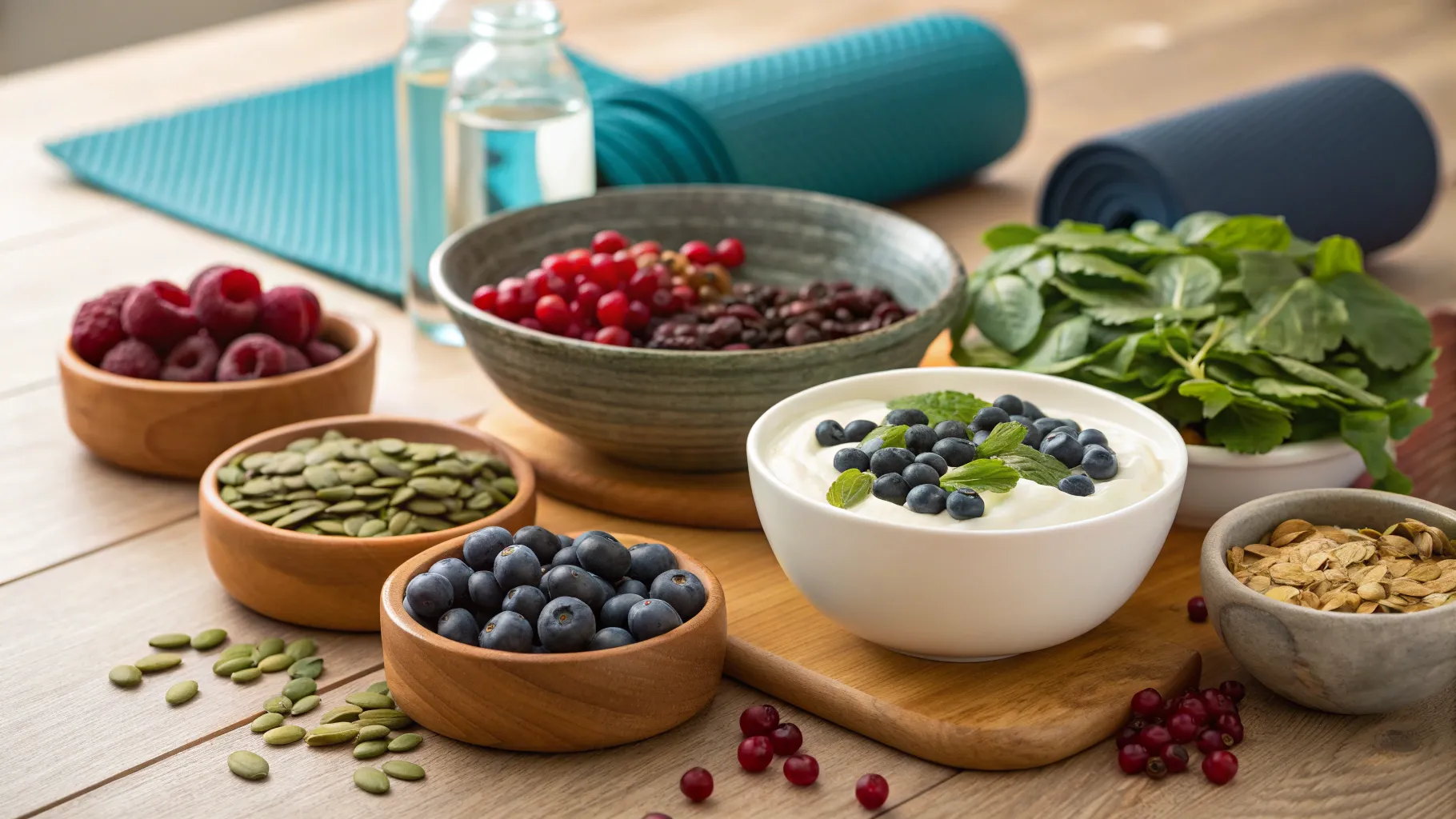
Your diet plays a pivotal role in your bladder's health. In 2025, the importance of consuming specific foods known for their bladder benefits is well-documented:
- Cranberries: These superfoods are packed with antioxidants and can help prevent urinary tract infections by inhibiting harmful bacteria from adhering to the bladder walls. Opt for unsweetened cranberry juice for the best results.
- Blueberries: Considered a powerhouse of health, blueberries have anti-inflammatory properties and can positively impact bladder function.
- Leafy Greens: Spinach, kale, and other greens are rich in nutrients, supporting metabolism and maintaining optimal bladder health.
- Pumpkin Seeds: High in omega-3 fatty acids and zinc, pumpkin seeds are particularly known for their role in reducing urinary incontinence.
- Yogurt: Probiotics found in yogurt support a healthy gut and urinary tract, bolstering the microbiome and promoting overall urinary health.
Incorporating these foods into your diet is a flavorful way to support bladder health while enhancing your nutritional intake.
Practices for Promoting Urinary Health
In addition to dietary changes, adopting specific healthy habits can dramatically influence urinary health. Here are several beneficial practices to consider:
- Timed Voiding: Establishing a regular schedule for bathroom breaks helps train the bladder, which is especially advantageous for seniors struggling with incontinence.
- Kegel Exercises: These exercises strengthen pelvic floor muscles, improving bladder control and aiding in managing urinary issues. They are highly recommended for women post-childbirth.
- Limiting Evening Fluids: Reducing fluid intake in the hours leading up to bedtime can significantly decrease nighttime trips to the bathroom, promoting better sleep quality.
- Medication Awareness: Certain medications can affect bladder function. It’s wise to consult with your healthcare provider about potential alternatives that might be less irritating.
Incorporating these habits, along with dietary modifications, can profoundly impact bladder health, allowing for a more enjoyable and fulfilling lifestyle for older adults.
Addressing Bladder Care for Older Adults
As the population ages, bladder care becomes increasingly crucial. Recent research indicates that over 60% of adults aged 65 and older experience some form of bladder control issue, highlighting the pressing need for proactive management. Resources and support groups are now more accessible than ever, providing invaluable information for older adults dealing with these challenges.
Education around bladder health, including coping mechanisms and daily management strategies, empowers individuals. Topics such as incontinence, frequent urination, and safe practices are often discussed in various community workshops and online platforms.
Absorbent products and progressive bladder training programs are commonly recommended, allowing for dignity and comfort. Caregivers and family members are encouraged to open dialogues with older adults about their concerns, fostering a supportive environment where they can freely discuss bladder health.
Moreover, healthcare providers now offer personalized care plans that encompass dietary recommendations, exercise regimens, and management strategies tailored for the elderly demographic. Regular check-ups become essential, enabling early identification of urinary issues and the implementation of preventative measures. This holistic approach prioritizes dignity and self-confidence for older individuals navigating bladder health challenges.
The key to achieving optimal bladder health lies in making thoughtful lifestyle adjustments. By embracing these natural support methods—which include dietary changes, hydration, regular exercise, and healthy habits—individuals can significantly enhance their bladder function and overall well-being, particularly as they age. This proactive stance on urinary health not only leads to greater comfort but also contributes to a better quality of life.