Unlock Restful Sleep: Exploring Natural Supplements for Insomnia
Facts:
- Over 30% of adults experience acute insomnia.
- Demand for natural sleep aids has significantly risen for sleep quality improvement.
Understanding Natural Sleep Aids for Insomnia Relief
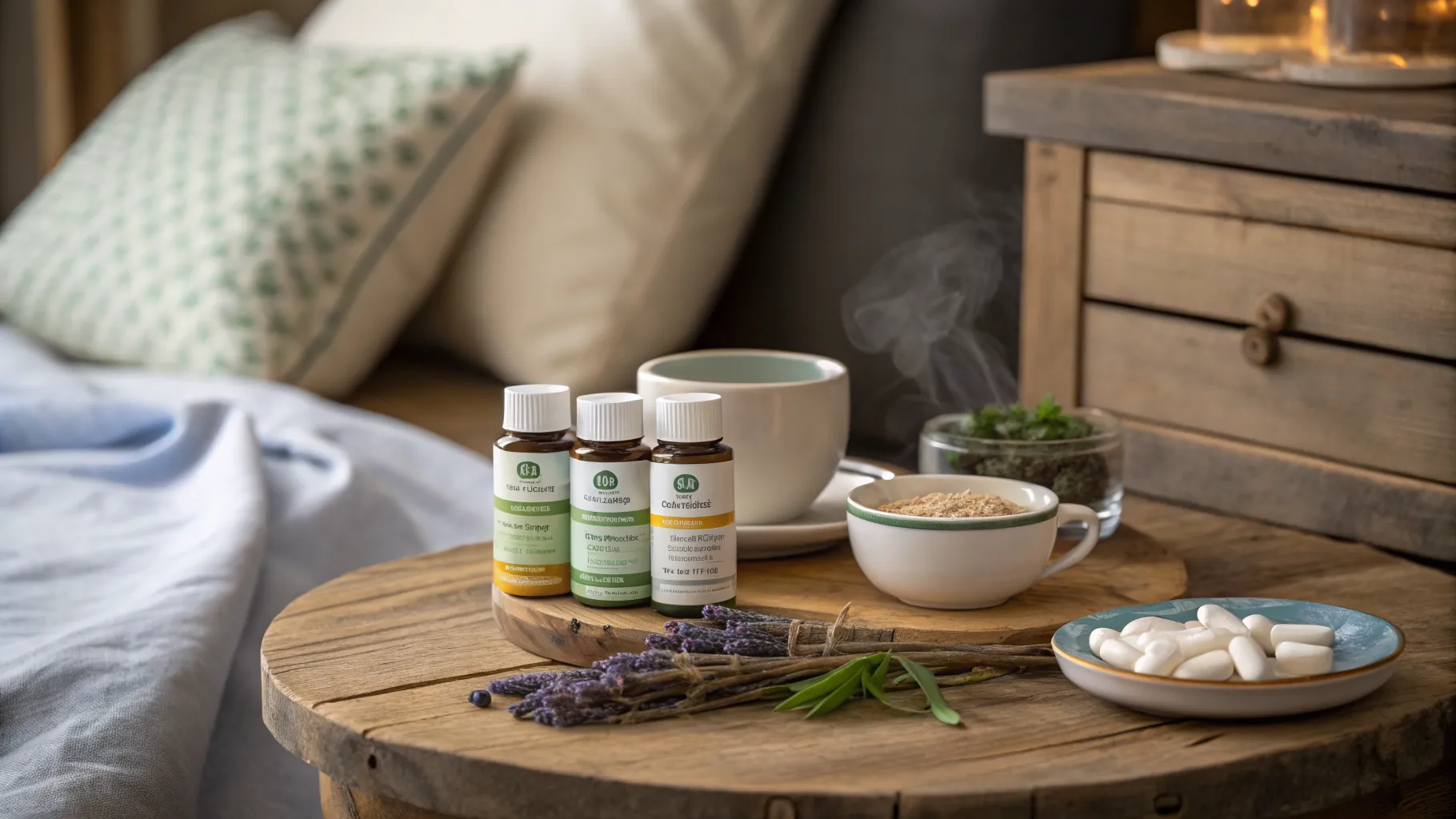
In an increasingly fast-paced world, achieving consistent and restorative restful sleep has become a significant challenge for many. For those struggling with sleepless nights, the quest for effective insomnia relief often leads to exploring various solutions. While pharmaceutical options exist, a growing number of individuals are turning towards natural sleep aids as a gentler, potentially more sustainable approach to improve their sleep quality. These supplements, derived from plants, herbs, and other natural compounds, offer an alternative path to calming the mind and body, promoting a healthier sleep cycle without the common side effects associated with synthetic medications.
Key Natural Supplements for Enhancing Sleep Quality
Melatonin: The Sleep Hormone
Melatonin is perhaps the most widely recognized natural sleep aid. Produced naturally by the pineal gland in the brain, it plays a crucial role in regulating the body's circadian rhythm, signaling to the brain when it's time to sleep. Supplementing with melatonin can be particularly helpful for individuals whose natural production is disrupted, such as those experiencing jet lag, shift work sleep disorder, or age-related decline in melatonin synthesis. It helps to re-establish a healthy sleep-wake cycle, contributing significantly to overall insomnia relief and promoting a more restful sleep. Dosage typically varies, and it's essential to start with a low dose to assess individual response and maximize benefits for sleep quality.
Valerian Root: A Traditional Herbal Remedy
Valerian root is a well-established herbal remedy for sleep with a long history of traditional use. It contains compounds that are believed to interact with GABA receptors in the brain, producing a mild sedative effect that can help reduce anxiety and promote relaxation. Many users report that valerian root helps them fall asleep faster and experience deeper sleep quality. Unlike some other sedatives, valerian is generally not associated with morning grogginess when taken in appropriate doses, making it a popular choice for natural sleep aids. Its efficacy in providing insomnia relief has been supported by various studies, though individual results may vary.
Chamomile and Lavender: Calming Botanicals
Beyond single-compound supplements, certain botanicals are highly valued for their soothing properties. Chamomile, often consumed as a tea, contains apigenin, an antioxidant that binds to specific receptors in the brain that may decrease anxiety and initiate sleep. Lavender, particularly in essential oil form for aromatherapy or as an oral supplement, has been shown to reduce anxiety and improve sleep quality. These gentle herbal remedies for sleep are excellent choices for those seeking mild insomnia relief and a more relaxed state before bedtime, contributing to restful sleep through their calming effects.
Magnesium: Essential Mineral for Relaxation
Magnesium is an essential mineral involved in over 300 biochemical reactions in the body, many of which are critical for sleep quality and relaxation. It plays a role in regulating neurotransmitters that are directly involved in sleep, such as GABA. A deficiency in magnesium can manifest as restlessness, anxiety, and difficulty sleeping. Supplementing with magnesium can help calm the nervous system, reduce muscle tension, and contribute to deeper restful sleep. It is often considered one of the foundational natural sleep aids for holistic insomnia relief, particularly for individuals with dietary shortfalls.
Choosing the Right Natural Sleep Aid: A Comparative Analysis
Selecting the optimal natural sleep aid requires careful consideration of individual needs, underlying causes of sleep disturbances, and potential interactions. While melatonin is highly effective for circadian rhythm disruption, it may be less impactful for stress-induced insomnia where herbal remedies for sleep like valerian or chamomile might be more beneficial. Magnesium addresses mineral deficiencies and muscle relaxation, offering broad insomnia relief for general restlessness. It's crucial to understand that these supplements work through different mechanisms; for instance, melatonin directly influences sleep signals, whereas valerian impacts GABA. Combining certain natural sleep aids, under guidance, can sometimes offer synergistic effects for enhanced sleep quality. Always prioritize reputable brands and consult with a healthcare professional to tailor a strategy for achieving consistent restful sleep.
Practical Strategies for Enhancing Sleep Quality with Natural Supplements
Establish a Consistent Sleep Schedule:
Even with natural sleep aids, maintaining a regular bedtime and wake-up time, even on weekends, is paramount for reinforcing your body's natural circadian rhythm. This consistency prepares your body for restful sleep and maximizes the efficacy of any insomnia relief strategy.
Optimize Your Sleep Environment:
Ensure your bedroom is dark, quiet, and cool. Eliminating light sources, using earplugs, and keeping the room temperature between 60-67 degrees Fahrenheit can significantly improve sleep quality. These environmental factors work in tandem with herbal remedies for sleep to create an ideal sleeping condition.
Incorporate Relaxation Techniques:
Before bed, engage in calming activities like reading, a warm bath, or gentle stretching. Practicing mindfulness or meditation can reduce anxiety and prepare your mind for restful sleep, amplifying the effects of natural sleep aids for comprehensive insomnia relief.
Mind Your Diet and Exercise:
Avoid heavy meals, caffeine, and alcohol close to bedtime. Regular physical activity during the day can improve sleep quality, but intense workouts too close to sleep can be counterproductive. A balanced approach to diet and exercise supports the body's natural sleep processes and enhances the benefits of herbal remedies for sleep.
Consult a Healthcare Professional:
Before starting any new supplement regimen, especially if you have underlying health conditions or are taking other medications, always consult a doctor. They can provide personalized advice on appropriate dosages and potential interactions, ensuring safe and effective insomnia relief and improved sleep quality.
Frequently Asked Questions
Are natural sleep aids safe for long-term use?
Most natural sleep aids, particularly herbal remedies like valerian or chamomile, are generally considered safe for short-term and moderate long-term use for insomnia relief. However, long-term safety profiles vary by supplement. It's crucial to consult a healthcare professional for personalized advice on continuous use to maintain optimal sleep quality and avoid potential side effects.
How quickly do herbal remedies for sleep start working?
The onset of action for herbal remedies for sleep can vary widely. Some, like chamomile tea, may induce a calming effect within 30-60 minutes. Others, such as valerian root or magnesium, might require consistent use over several days or even weeks to achieve noticeable insomnia relief and significant improvements in sleep quality. Patience and consistent use are key.
Can natural supplements cause drowsiness the next day?
While many natural sleep aids are designed to minimize next-day grogginess compared to some prescription medications, it's still a possibility, especially with higher doses or sensitive individuals. Melatonin, valerian root, and even magnesium can sometimes cause residual drowsiness. It's recommended to start with the lowest effective dose to assess your body's response and ensure a restful sleep without unwanted morning effects.
References
- National Sleep Foundation. Sleep Health Statistics.
- Mayo Clinic. Insomnia Treatment: What's new in natural sleep aids?
- Journal of Clinical Sleep Medicine. Efficacy of herbal remedies for sleep.