Exploring Natural Supplements for Inflammation Relief
Fast Facts:
- Chronic inflammation affects millions globally.
- Demand for natural anti-inflammatory supplements is rising for holistic health.
Understanding the Power of Natural Anti-Inflammatory Supplements
In the quest for holistic wellness, many individuals are turning to natural anti-inflammatory supplements to manage and mitigate the effects of chronic inflammation. This persistent bodily response can contribute to a myriad of health issues, from joint pain to cardiovascular concerns. Fortunately, nature offers a rich pantry of compounds known for their powerful ability to support the body's natural defense mechanisms and help achieve inflammation relief without relying solely on pharmaceutical interventions.
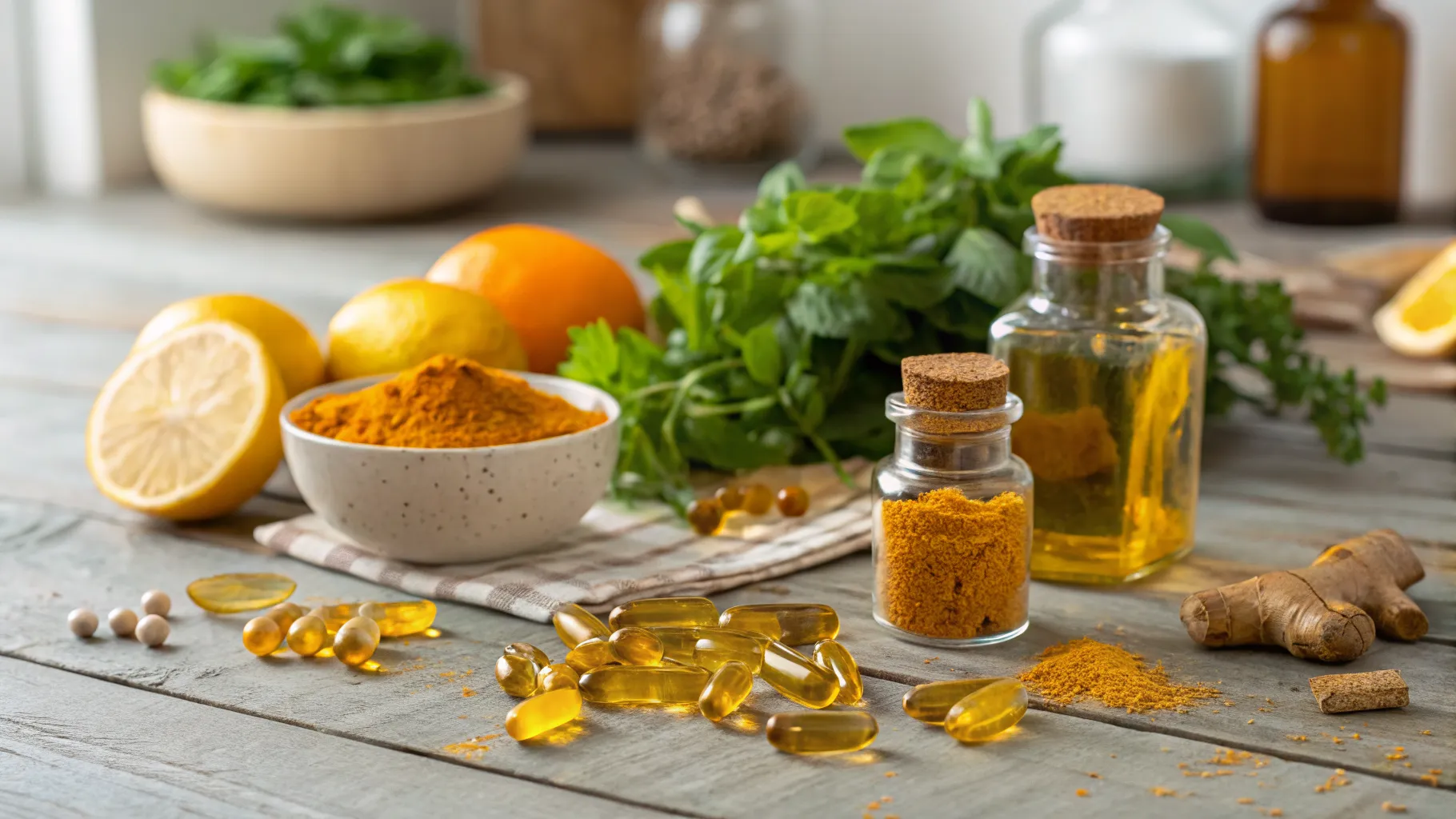
Key Natural Anti-Inflammatory Supplements and Their Benefits
A broad spectrum of botanical extracts and essential nutrients have been rigorously studied for their anti-inflammatory properties. Understanding each one's unique mechanisms and benefits is crucial for making informed choices regarding natural anti-inflammatory supplements. These compounds offer a gentle yet potent approach to managing inflammation, often working synergistically within the body.
Curcumin: The Golden Spice of Health
Derived from the turmeric root, curcumin supplements are perhaps one of the most well-researched natural compounds for combating inflammation. Curcumin's primary active compounds, curcuminoids, are potent antioxidants that can neutralize free radicals and modulate various signaling molecules involved in inflammation. Its effectiveness stems from its ability to inhibit key inflammatory pathways, offering significant potential for conditions like arthritis, metabolic syndrome, and even certain neurodegenerative diseases. While curcumin itself has poor bioavailability, many modern supplements are formulated with piperine (black pepper extract) or liposomal delivery systems to enhance absorption, ensuring the body can fully utilize its powerful inflammation relief properties.
Omega-3 Fatty Acids: Essential for Cellular Balance
The importance of omega-3 fatty acids, particularly EPA (eicosapentaenoic acid) and DHA (docosahexaenoic acid), cannot be overstated when discussing anti-inflammatory strategies. Found abundantly in fatty fish like salmon, mackerel, and sardines, as well as in certain plant-based sources like flaxseeds and chia seeds, these essential fats are precursors to powerful anti-inflammatory molecules in the body. They play a critical role in cellular membrane integrity and help to balance the inflammatory response. Regular intake of omega-3 fatty acids can significantly reduce markers of systemic inflammation, supporting cardiovascular health, brain function, and joint mobility, making them a cornerstone of any strategy to reduce chronic inflammation.
Ginger Extract: A Warming Remedy
For centuries, ginger for inflammation has been a staple in traditional medicine systems across the globe. Modern science confirms its efficacy, primarily attributing it to bioactive compounds like gingerols and shogaols. These compounds exhibit powerful antioxidant and anti-inflammatory effects by inhibiting the production of pro-inflammatory cytokines and enzymes. Ginger's ability to soothe digestive discomfort and alleviate muscle soreness is well-documented, making it a versatile addition to an anti-inflammatory regimen. Whether consumed as a fresh root, a tea, or in concentrated supplement form, ginger provides a natural and effective pathway to inflammation relief.
Quercetin: A Potent Plant Flavonoid
Quercetin benefits extend far beyond its role as a simple antioxidant. This potent flavonoid, found in many fruits, vegetables, and grains, is a master modulator of the immune system and a powerful anti-inflammatory agent. Quercetin works by inhibiting the release of histamine and other inflammatory mediators, making it particularly beneficial for allergic reactions and conditions characterized by mast cell activation. It also boasts antiviral and neuroprotective properties. Incorporating quercetin-rich foods or a high-quality quercetin supplement can significantly contribute to reducing systemic inflammation and bolstering overall immune health, further aiding in the goal to reduce chronic inflammation.
Choosing the Right Natural Anti-Inflammatory Supplements
With a plethora of options available, selecting the most appropriate natural anti-inflammatory supplements requires careful consideration. It's not merely about picking the most popular ingredient but understanding your body's specific needs, potential interactions with other medications, and the quality of the supplement itself. Look for supplements from reputable manufacturers that provide third-party testing for purity and potency. For instance, when choosing omega-3 fatty acids, consider the EPA and DHA content and ensure the product is free from heavy metals. For curcumin supplements, bioavailability is key, so look for formulations with enhanced absorption. A holistic approach often involves combining several complementary supplements, always under the guidance of a healthcare professional, to achieve optimal inflammation relief and sustained well-being.
Actionable Strategies for Reducing Inflammation Naturally
While supplements play a vital role, a comprehensive approach to reduce chronic inflammation also involves lifestyle modifications. These strategies work synergistically with natural anti-inflammatory supplements to create an environment where inflammation is minimized and the body can thrive.
- Embrace an Anti-Inflammatory Diet: Prioritize whole, unprocessed foods rich in antioxidants and fiber. This includes a bounty of fruits, vegetables, lean proteins, and healthy fats. Limit processed foods, refined sugars, and unhealthy trans fats, which are known to fuel inflammation.
- Regular Physical Activity: Engage in moderate exercise most days of the week. Physical activity helps reduce inflammatory markers and improves overall immune function. Even short, consistent walks can make a significant difference in achieving inflammation relief.
- Manage Stress Effectively: Chronic stress elevates cortisol levels, which can contribute to systemic inflammation. Incorporate stress-reduction techniques such as meditation, yoga, deep breathing exercises, or spending time in nature to lower stress hormones and promote healing.
- Prioritize Quality Sleep: Aim for 7-9 hours of uninterrupted sleep per night. Sleep deprivation can disrupt hormonal balance and increase inflammatory cytokines. Adequate rest is fundamental for the body's repair processes and reducing inflammatory responses.
- Stay Hydrated: Drinking plenty of water is essential for flushing out toxins and supporting cellular functions, including those involved in regulating inflammation. Proper hydration contributes to overall systemic health and aids in inflammation relief.
Frequently Asked Questions About Natural Anti-Inflammatory Supplements
Are natural anti-inflammatory supplements safe for long-term use?
Many natural anti-inflammatory supplements like omega-3 fatty acids, curcumin supplements, and ginger for inflammation are generally considered safe for long-term use when taken within recommended dosages. However, individual responses can vary, and it is always prudent to consult with a healthcare professional, especially if you have underlying health conditions or are taking other medications, to ensure safety and avoid potential interactions. They can provide personalized guidance for optimal inflammation relief.
How long does it take for natural anti-inflammatory supplements to work?
The time frame for experiencing inflammation relief from natural supplements varies significantly based on the individual, the severity of the inflammation, and the specific supplement chosen. Some individuals may notice improvements within a few weeks, while for others, it might take several months of consistent use to observe substantial benefits. Lifestyle factors such as diet and exercise also play a crucial role in accelerating results when using natural anti-inflammatory supplements.
Can I combine different natural anti-inflammatory supplements?
Combining certain natural anti-inflammatory supplements can often be beneficial, as many compounds work through different mechanisms to reduce chronic inflammation. For example, combining curcumin supplements with omega-3 fatty acids may offer a more comprehensive anti-inflammatory effect. However, it's essential to do so under the guidance of a healthcare provider to prevent potential interactions or excessive dosages of similar compounds. Professional advice ensures a safe and effective regimen for inflammation relief.
Are there any side effects from natural anti-inflammatory supplements?
While generally well-tolerated, some natural anti-inflammatory supplements can have side effects, although usually mild. For instance, high doses of omega-3 fatty acids might cause digestive upset or have blood-thinning effects. Curcumin supplements can occasionally cause nausea or diarrhea in sensitive individuals. It is crucial to start with lower doses and monitor your body's response, and always report any adverse reactions to your healthcare provider. Understanding potential side effects is key to safe and effective inflammation relief.
Do natural anti-inflammatory supplements interact with medications?
Yes, natural anti-inflammatory supplements can interact with certain medications, which is a critical consideration. For example, ginger for inflammation and omega-3 fatty acids can have blood-thinning properties and may interact with anticoagulant medications like warfarin. Similarly, quercetin benefits might include effects on drug metabolism, potentially altering the effectiveness of various pharmaceuticals. Always inform your doctor or pharmacist about all supplements you are taking to ensure there are no adverse interactions and to achieve safe inflammation relief.
References
- Hewlings, S. J., & Kalman, D. S. (2017). Curcumin: A Review of Its Effects on Human Health. Foods, 6(10), 92.
- Calder, P. C. (2017). Omega-3 fatty acids and inflammatory processes. Nutrients, 9(3), 302.
- Grzanna, R., Lindmark, L., & Frondoza, C. G. (2005). Ginger—An herbal medicinal product with anti-inflammatory properties. Journal of Medicinal Food, 8(2), 125-132.
- Li, Y., Yao, J., Han, C., Yang, J., Chaudhry, M. T., Wang, S., ... & Yin, Y. (2016). Quercetin, Inflammation and Immunity. Nutrients, 8(3), 167.
- Serhan, C. N. (2014). Pro-resolving lipid mediators are actively generated in acute inflammation and are defective in chronic inflammation. Inflammation Research, 63(12), 1083-1093.