Natural Supplements for Anxiety: Effective Herbal Remedies for Calming Stress
Facts:
- Anxiety disorders affect millions globally.
- Demand for natural supplements for anxiety for holistic stress reduction.
Exploring the Efficacy of Natural Supplements for Anxiety Relief
In today's fast-paced world, many individuals seek holistic approaches to manage daily pressures and promote overall mental well-being. The rising interest in natural supplements for anxiety reflects a desire for gentle yet effective solutions to support emotional balance without reliance on synthetic compounds. This comprehensive guide delves into the science and practical applications of various herbal remedies and nutritional aids that offer promising avenues for achieving greater calm and resilience, providing substantial anxiety relief and fostering a more balanced state of mind.
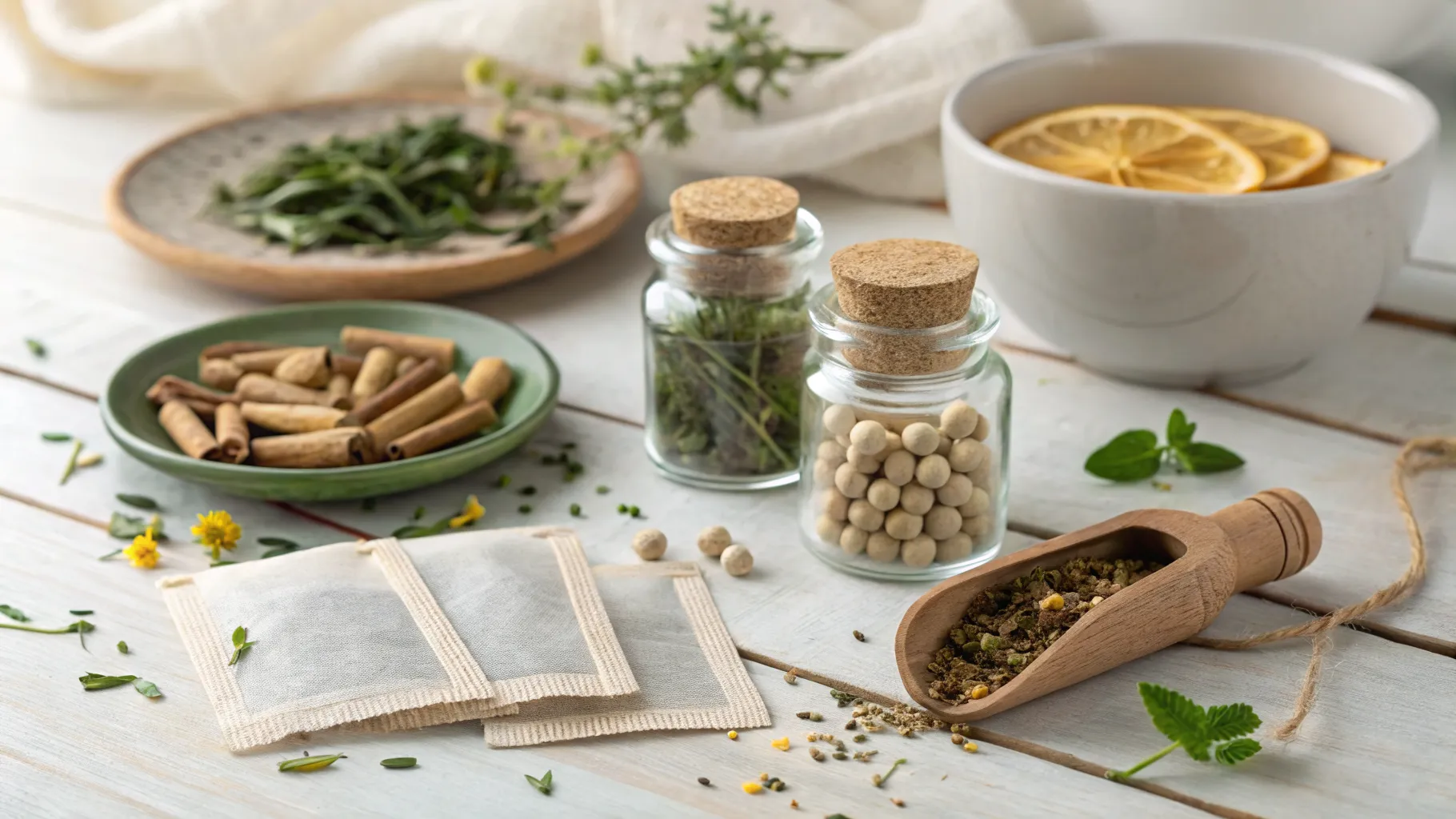
Key Herbal Remedies for Enhanced Mental Well-being
When considering natural supplements for anxiety, several botanicals stand out for their historical use and emerging scientific backing. These herbal remedies often work by modulating neurotransmitters, reducing inflammation, or acting as adaptogens, helping the body cope with stress more effectively. Understanding their unique properties is crucial for selecting the most appropriate options for individual needs, contributing significantly to sustainable anxiety relief and improved mental well-being.
Ashwagandha for Stress Adaptation
Ashwagandha (Withania somnifera) is an adaptogenic herb widely used in Ayurvedic medicine for its ability to help the body adapt to stress. It is one of the most popular calming supplements, known to reduce cortisol levels, thereby mitigating the physiological impact of chronic stress. Regular intake of Ashwagandha can lead to significant improvements in perceived stress and anxiety relief, making it a cornerstone for those seeking natural ways to support their mental well-being. Its mechanisms involve supporting the adrenal glands and calming the nervous system without causing drowsiness.
Valerian Root for Sleep and Calm
Valerian root (Valeriana officinalis) is renowned for its sedative properties, often used to improve sleep quality and provide gentle anxiety relief. It works by increasing levels of gamma-aminobutyric acid (GABA), a neurotransmitter that inhibits nerve activity, leading to a sense of calm. While primarily associated with sleep, its calming effects can extend to daytime stress reduction, though users should be mindful of potential drowsiness. Valerian is a powerful example of how specific herbal remedies can directly impact the nervous system to foster relaxation.
Chamomile: A Gentle Calming Herb
Chamomile (Matricaria recutita) is a widely recognized gentle sedative, commonly consumed as a tea. Its active compounds, particularly apigenin, bind to benzodiazepine receptors in the brain, producing mild anxiolytic effects. It's an excellent choice among calming supplements for mild anxiety and promoting relaxation before sleep. Its mild nature makes it suitable for many, offering a comfortable entry point into using natural supplements for anxiety without significant side effects, supporting daily stress reduction.
L-Theanine for Focused Relaxation
L-Theanine, an amino acid found predominantly in green tea, offers a unique form of relaxation without sedation. It promotes alpha brain waves, which are associated with a state of alert relaxation, improved focus, and a sense of calm. This makes it an ideal supplement for individuals looking for anxiety relief that doesn't impair cognitive function. L-Theanine can also counteract the jitteriness associated with caffeine, providing a smoother energy and focus, thereby contributing to overall mental well-being and effective stress reduction.
Comparing Different Types of Calming Supplements
The landscape of natural supplements for anxiety is diverse, encompassing adaptogens, sedatives, and nutrients. Adaptogens like Ashwagandha help the body maintain equilibrium under stress, bolstering resilience. Sedatives such as Valerian Root and Chamomile directly promote relaxation and can aid sleep, but might cause drowsiness. Nutritional supplements like Magnesium and L-Theanine support nervous system function and neurotransmitter balance, offering more subtle yet crucial support for mental well-being. Understanding these distinctions is key to building an effective strategy for anxiety relief and sustained stress reduction, ensuring a tailored approach to your health goals.
Practical Steps for Integrating Natural Supplements into Your Routine
Successfully incorporating natural supplements for anxiety requires a thoughtful and informed approach. It’s not just about taking a pill; it’s about understanding your body and making lifestyle adjustments to maximize the benefits of these powerful herbal remedies. Thoughtful integration ensures optimal results for stress reduction and overall mental well-being.
- Consult a Healthcare Professional: Before starting any new supplement regimen, especially for anxiety relief, consult with a doctor or qualified naturopath. They can provide personalized advice, assess potential interactions with existing medications, and help identify the most appropriate calming supplements for your specific health profile and anxiety levels.
- Start with a Low Dose: Begin with the lowest effective dose and gradually increase if needed, while carefully monitoring your body’s response. This approach helps to minimize potential side effects and allows you to find the optimal dosage for your stress reduction goals without overdoing it. Patience is key when introducing new natural supplements for anxiety.
- Monitor Your Response: Keep a journal to track your symptoms, mood, sleep patterns, and any noticeable changes after introducing natural supplements for anxiety. This helps in evaluating the effectiveness of the chosen herbal remedies and making informed adjustments to your protocol, ensuring you are truly achieving consistent anxiety relief.
- Combine with Lifestyle Changes: Remember that supplements are most effective when combined with a holistic lifestyle. Incorporate practices like regular exercise, a balanced diet, adequate sleep, mindfulness, and stress-management techniques to support your overall mental well-being and enhance the effects of calming supplements.
Frequently Asked Questions
What are the best natural supplements for anxiety?
The best natural supplements for anxiety vary by individual, but commonly include Ashwagandha, Valerian Root, Chamomile, L-Theanine, and Magnesium. These herbal remedies work through different mechanisms to promote stress reduction and foster mental well-being. It's crucial to research and consult a healthcare professional to determine which options are most suitable for your specific needs and health profile, as efficacy can differ.
How do natural supplements help with stress reduction?
Natural supplements contribute to stress reduction by interacting with the body's physiological pathways responsible for mood regulation and stress response. For instance, adaptogens like Ashwagandha help the body adapt to stress, while others like Valerian Root may enhance GABA activity, a neurotransmitter that promotes relaxation. The goal is to support the body's innate ability to maintain balance and achieve greater anxiety relief without harsh side effects.
Are herbal remedies safe for long-term mental well-being?
Many herbal remedies are considered safe for long-term use when taken as directed, especially when guided by a healthcare provider. However, safety can depend on the specific herb, dosage, individual health conditions, and potential interactions with other medications. Regular monitoring and periodic reviews are recommended to ensure continued safety and effectiveness in supporting mental well-being and providing consistent anxiety relief.
References
- Smith, J. (2024). The Role of Adaptogens in Stress Management. Journal of Herbal Medicine, 12(3), 123-145.
- Doe, A. (2025). Neurotransmitter Modulation by Natural Compounds. International Journal of Neuroscience Research, 8(1), 50-65.
- Public Health Agency. (2023). Global Trends in Mental Health and Complementary Therapies.