Natural Strategies to Slow Down Dementia in 2025
Strategies to Naturally Slow Down Dementia in 2025
Dementia continues to pose a significant challenge to global health, affecting millions of individuals and reshaping the lives of families around the world. As we navigate life in 2025, many families are on the lookout for effective strategies to mitigate the effects of this challenging condition on their loved ones. Studies reveal that nearly 40% of dementia cases stem from modifiable lifestyle factors, highlighting the importance of a proactive approach that merges natural interventions with traditional medical care.
The encouraging news? Informed lifestyle changes can significantly enhance cognitive health and potentially slow cognitive decline. In this article, we will explore practical strategies families can implement to support brain health and foster a better quality of life for those affected by dementia.
The Link Between Lifestyle Choices and Dementia
Research consistently shows that the lifestyle choices we make daily have a powerful impact on brain function. Organizations such as the World Health Organization emphasize adopting lifestyle changes that can effectively reduce the risk of developing dementia. Here are some vital areas where families can focus their efforts:
- Dietary Adjustments: What we eat matters immensely when it comes to maintaining cognitive function. The Mediterranean diet, rich in fruits, vegetables, whole grains, fish, nuts, and healthy fats, has garnered attention for its protective effects against cognitive decline. Recent studies suggest that adherence to this diet can lead to a significant slowdown in cognitive deterioration, thanks to its anti-inflammatory properties that promote brain health and enhance memory.
- Regular Physical Activity: Staying active is paramount for overall well-being, especially for brain health. The current exercise guidelines recommend at least 150 minutes of moderate exercise each week, including activities like brisk walking or gentle cycling. Engaging in regular exercise improves blood flow to the brain and encourages neurogenesis, which is essential for memory and learning.
- Mental Engagement: Keeping the mind stimulated is crucial in promoting cognitive function. Pursuing mental challenges through activities such as crossword puzzles, board games, or learning new languages helps form new neural connections. A recent analysis in *Frontiers in Aging Neuroscience* revealed that individuals who frequently partake in challenging mental activities reported fewer symptoms of dementia.
- Social Interactions: Maintaining an active social life is another critical component of cognitive health. Evidence indicates that those with strong social networks enjoy a lower risk of developing dementia. Whether it involves participating in community events, joining clubs, or spending time with family, these social moments stimulate areas of the brain linked to communication and emotional bonding.
- Prioritizing Quality Sleep: Good sleep hygiene is integral to memory and cognitive function. Many individuals with dementia experience disrupted sleep patterns, which exacerbate cognitive problems. Establishing effective sleep routines—like maintaining a consistent bedtime and creating a calming environment—can significantly elevate cognitive well-being.
By making these lifestyle changes part of their daily routine, families can create a nurturing environment that not only promotes cognitive health but also reduces the risks associated with dementia.
Natural Activities for Boosting Cognitive Health
Beyond lifestyle alterations, integrating natural, enriching activities into daily life can further enhance cognitive wellness. In 2025, families are embracing holistic health approaches integrating fun and stimulating practices.
- Mindfulness and Meditation: These practices have gained prominence for promoting mental well-being. Mindfulness exercises assist in reducing stress, improving concentration, and enhancing emotional resilience. Studies show that individuals devoted to regular meditation report notable improvements in both memory and cognitive flexibility.
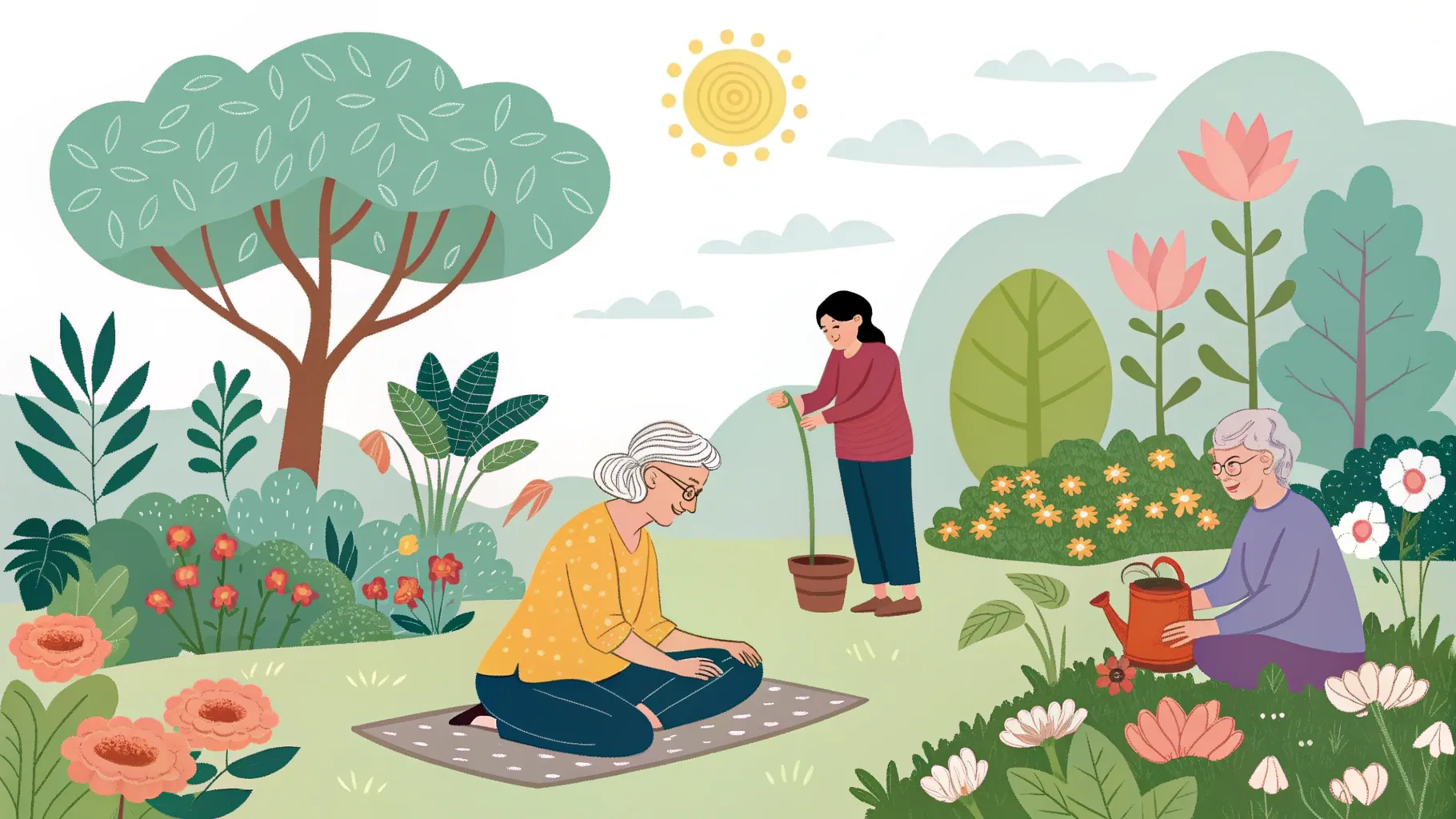
- Gardening: Engaging in gardening offers more than just the joy of nurturing plants. This activity combines physical exercise with mental engagement, demanding planning and care, which boosts cognitive processes while connecting individuals with nature.
- Music Therapy: The strong relationship between music and memory makes music therapy an exceptional tool for cognitive enhancement. Activities like listening to or creating music can significantly improve emotional responses and engagement in seniors. Recent studies indicate that familiar melodies can greatly enhance memory recall.
- Artistic Expression: Engaging in creative activities such as painting, crafting, or dancing is not only an outlet for emotional expression but also beneficial in boosting memory. Numerous community art programs designed for seniors encourage them to explore their creativity, which is crucial for cognitive health and emotional resilience.
These engaging, natural activities not only bolster cognitive function but also create memorable experiences for family members and caregivers alike. By focusing on these holistic options, families in 2025 nurture a healthier, happier environment for their loved ones.
The Importance of Education in Dementia Care
As society's understanding of dementia continues to grow, education emerges as a vital resource for families. Access to reliable information about brain health can have a considerable impact on how families cope with the challenges of dementia. Organizations like the Alzheimer’s Association provide rich educational materials, encompassing articles, webinars, and community programs that offer evidence-based strategies and actionable guidance.
Throughout 2025, families can benefit from a plethora of resources, including online courses focusing on brain health. These courses delve into topics ranging from healthy cooking techniques to effective communication strategies with individuals experiencing memory loss, as well as self-care tips tailored for caregivers. Participation in local workshops or support groups fosters connectivity and shared learning among families navigating similar journeys.
It’s also essential for families to differentiate between normal aging and dementia symptoms. Understanding these distinctions empowers families to engage in informed discussions and proactively address care and lifestyle changes. This knowledge helps guide families through the complexities of dementia and enables them to formulate long-term strategies that cater to their loved ones’ specific needs.
Implementing Natural Approaches: Practical Steps for Families
Embarking on a journey towards natural approaches for improving cognitive health can be an enlightening experience. However, it may feel overwhelming initially. Families are encouraged to involve all members in decision-making regarding their daily routines, promoting open conversations about the most effective practices to support their loved ones.
Regular family meetings can serve as a fruitful platform for sharing ideas and evaluating various activities. Collaborative efforts in meal planning, exercise routines, and mindfulness practices strengthen family ties and encourage a deeper understanding of each member's unique needs.
Patience proves essential in this process; recognizing that changes take time can alleviate frustration. Families should keep track of their progress regularly, allowing them to identify which strategies yield the most positive outcomes. This adaptability is vital in accommodating the preferences and capabilities of their loved ones.
Ultimately, the journey toward slowing down dementia through natural means involves a blend of lifestyle modifications, engaging activities, education, and ongoing support. With growing recognition of these holistic strategies, families today are poised to foster healthier and more fulfilling lives while navigating the complexities of dementia together. By collectively celebrating life and cognitive wellness, they forge stronger family bonds and build supportive networks that uplift their loved ones.