Natural Remedies and Lifestyle Changes for Atrial Fibrillati
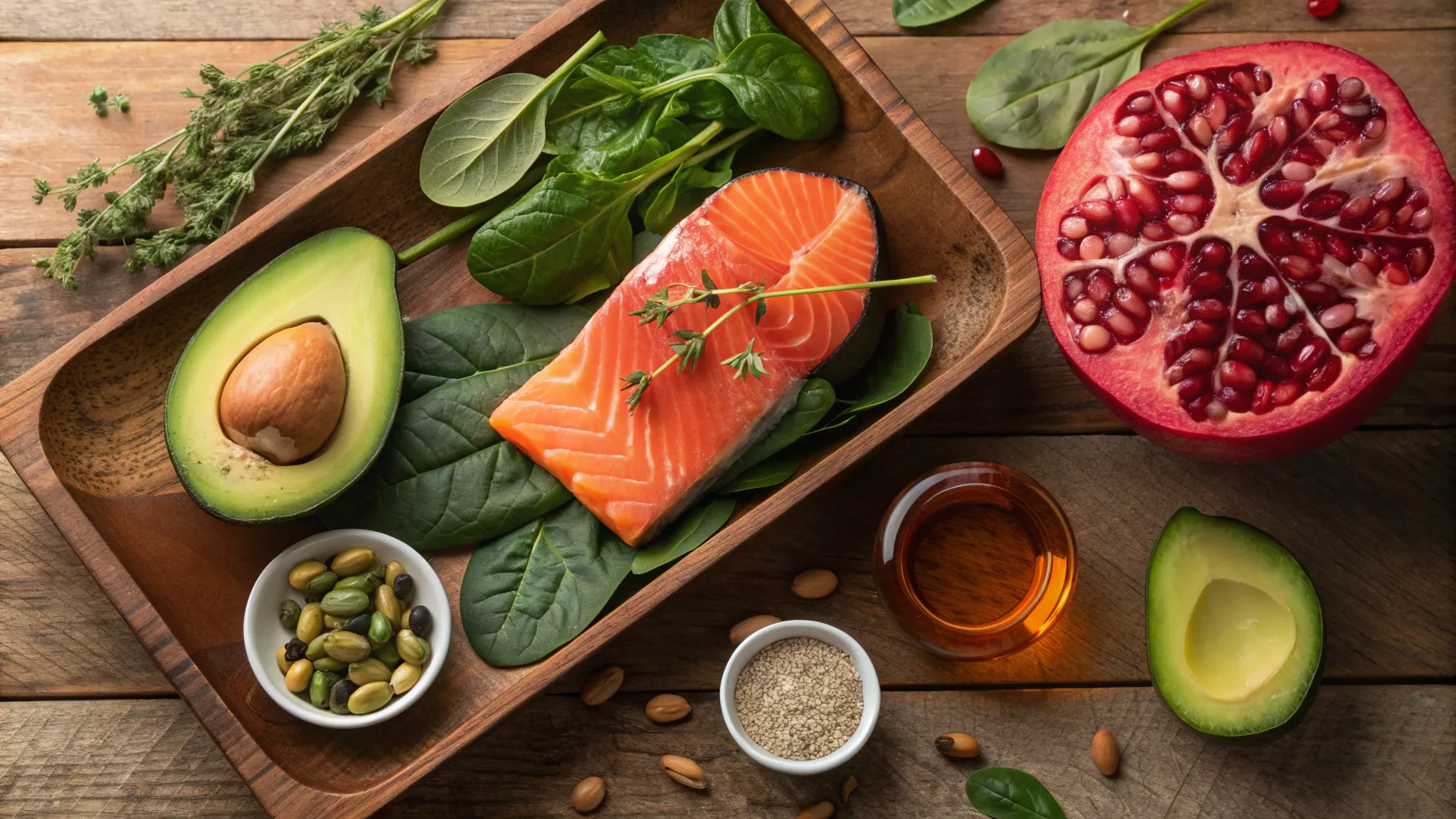
Natural Remedies for Atrial Fibrillation
Atrial fibrillation, commonly referred to as AFib, affects millions of individuals worldwide. It is characterized by an irregular heartbeat that can lead to severe complications if left uncontrolled. In 2025, many people are turning to natural remedies for atrial fibrillation alongside traditional medical treatments to manage their symptoms effectively. Embracing a holistic approach can improve overall heart health and enhance quality of life.
Effective Lifestyle Changes to Manage Atrial Fibrillation
Implementing specific lifestyle changes is crucial in the fight against AFib. Here are several evidence-backed strategies to consider:
- Heart-Healthy Diet: Adopting a heart-healthy diet is vital. The Mediterranean diet, rich in fruits, vegetables, whole grains, lean proteins, and healthy fats, offers numerous benefits. This style of eating helps reduce inflammation, manage cholesterol levels, and promote heart health. Research from early 2025 indicates that individuals following this diet experience fewer AFib episodes.
- Weight Management: Maintaining a healthy weight plays a foundational role in controlling AFib. Studies show that being overweight increases the risk of AFib by 50%. Even modest weight loss—a reduction of 5% to 10% of body weight—can significantly lessen the occurrence of AFib episodes. This was highlighted in a case study from late 2024 where a patient successfully managed their condition after losing weight through diet and exercise.
- Reduce Alcohol Consumption: Another factor linked to AFib is alcohol intake. Recent findings emphasize that individuals experiencing AFib report fewer incidents while reducing their alcohol consumption. Even moderate drinkers often notice a marked improvement. Reducing or abstaining from alcohol can lead to better heart rhythm stability, making this an essential consideration.
- Quit Smoking: Smoking is a known risk factor for various heart conditions, including AFib. Quitting smoking can have profound effects on heart health. A 2025 study found that individuals who quit smoking experienced significant reductions in AFib symptoms and improved overall heart function.
- Stress Management: The effects of stress on heart health cannot be ignored. Engaging in relaxation techniques such as yoga, meditation, and nature walks can help alleviate anxiety and stress levels, resulting in enhanced heart rhythm and stability. A notable 2024 survey indicated that participants who practiced mindfulness consistently reported a reduction in AFib episodes.
Herbs and Supplements for Atrial Fibrillation Support
Individuals eager to explore natural ways to alleviate atrial fibrillation symptoms often look to herbs and dietary supplements. Existing evidence points to several options that may help:
- Magnesium: This essential mineral is vital for heart health. A deficiency can lead to heart rhythm issues, making it important to include magnesium-rich foods in your diet—think spinach, avocados, and nuts. Recent research from early 2025 shows that magnesium supplementation can also help reduce the frequency of AFib episodes.
- Pomegranate Juice: Full of antioxidants, pomegranate juice is gaining attention for its cardiovascular benefits. Studies in late 2024 suggest that regular consumption of pomegranate juice enhances blood flow and stability in heart rhythms, making it a promising addition to the diet of those with AFib.
- Omega-3 Fatty Acids: These are found abundantly in fatty fish and flaxseeds and are celebrated for their anti-inflammatory properties. Research indicates omega-3s can significantly lower AFib occurrences, especially in those who already have heart conditions.
- Coenzyme Q10: This powerful supplement supports the production of energy in heart cells, which can help manage AFib symptoms more effectively. Data from recent clinical trials show an encouraging link between CoQ10 supplementation and improved heart function.
- Hawthorn: Traditional herbal remedies like hawthorn have found new validation in modern research. Recent studies suggested hawthorn might reduce palpitations and promote a more consistent heart rhythm in those suffering from AFib.
Implementing Non-Medical Strategies for AFib Management
In addition to dietary modifications and supplements, there are several non-medical strategies one can adopt to help manage AFib effectively. Here are a few:
- Heart Rate Monitoring: Wearing a smartwatch or fitness tracker can help you monitor your heart rate effectively. This data is invaluable in identifying personal AFib triggers, which could include stress, certain foods, or other lifestyle factors.
- Joining Support Groups: Many individuals find strength and guidance by connecting with others facing similar challenges. Support groups provide emotional support, shared experiences, and practical management tips for dealing with AFib.
- Avoid Stimulants: Limiting caffeine and certain medications can significantly lessen AFib symptoms in those sensitive to them. Being mindful of intake can contribute to a more stable heart rhythm.
As research continues to evolve, medical professionals are increasingly recognizing the importance of lifestyle changes in managing AFib. Stories from individuals who have transformed their health through diet, stress management, and natural supplementation prove particularly inspiring. Approximately 30% of AFib patients reported positive changes in their conditions after implementing natural remedies over the past six months, underscoring a trending shift towards holistic health.
To begin your journey on controlling AFib through natural remedies, commitment is key. It is essential to collaborate closely with healthcare providers to ensure that any new supplement or lifestyle change aligns safely with your existing treatment plan. Taking charge of your heart health can make a significant difference in managing atrial fibrillation effectively.