Effective Ways to Tackle Nasal Polyps
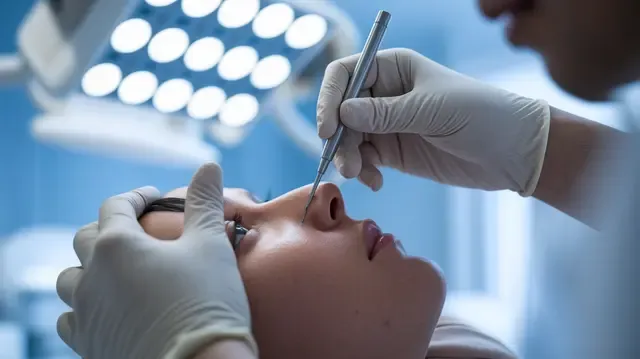
Nasal Polyps Treatment Options
Nasal polyps are a common issue affecting approximately 4% of the population, leading to symptoms like nasal congestion, loss of smell, and sinus infections. Fortunately, several effective treatment options have emerged recently to address this condition.
One of the most common treatments is corticosteroid nasal sprays. These sprays are often the first line of defense prescribed by doctors due to their ability to reduce inflammation and shrink polyps over time. Fluticasone and mometasone are two popular options available, offering significant relief for many patients.
However, when nasal sprays prove insufficient, oral corticosteroids may be the next step. These are generally prescribed for a short duration due to potential side effects, but they can quickly reduce severe inflammation. A recent study published in May 2023 highlights the efficacy of a short course of prednisone in significantly reducing polyp size in 75% of patients.
Innovative Relief Methods
For those seeking alternatives to steroids, biological therapy is gaining ground. Drugs like Dupixent (dupilumab), approved by the FDA in mid-2023, target specific immune pathways involved in polyps' growth. These therapeutics have been shown to not only alleviate symptoms but also improve the overall quality of life by addressing the root cause of inflammation with fewer side effects than traditional treatments.
In addition to these pharmaceutical options, some patients may benefit from surgical interventions. Endoscopic sinus surgery, a minimally invasive procedure, allows doctors to remove polyps and correct any anatomical issues contributing to their formation. Reports have shown a decrease in recurrence rates with postoperative care including saline irrigation and sometimes continued topical steroids.
Embracing complementary therapies such as saline nasal rinses can be a practical aspect of managing symptoms. This simple, at-home method helps to clear nasal passages of allergens and irritants, aiding in maintaining sinus health.
Managing Nasal Polyps Symptoms
In terms of day-to-day management, lifestyle alterations can play a pivotal role. Maintaining a humid environment at home or work can prevent the nasal lining from drying out, which potentially exacerbates polyp formation. Installing a humidifier and staying hydrated are simple steps toward this goal.
Diet and exercise can also influence your body's inflammatory response. Foods rich in vitamin C, like oranges and red peppers, are known for their immune-boosting properties. Meanwhile, regular exercise enhances overall well-being and reduces systemic inflammation, indirectly benefiting nasal health.
Combining these lifestyle changes with the right medical treatments can lead to a more comprehensive approach to managing nasal polyps successfully. As research advances, staying informed about new therapies and approaches remains crucial. Discussions with healthcare providers can help tailor treatment plans to individual needs.
It's essential for those affected by nasal polyps to understand their condition and seek medical guidance for an effective treatment plan. The complexities of nasal polyps require a balance of medical intervention and personal care strategies to manage symptoms effectively and improve quality of life. While the array of available treatments continues to expand, a combination of methods often delivers the best outcome for enduring relief and disease management.