A Gardener's Guide to the Most Popular Perennials of the Year
Facts:
- Perennials can live for more than two years.
- A major trend is creating pollinator-friendly perennial gardens.
Transform Your Garden with Enduring Beauty
Creating a vibrant, colorful garden that returns with life each year is a dream for many homeowners. The secret lies in selecting the right garden perennials. Unlike annuals, which last for only one season, these resilient plants come back year after year, often growing larger and more beautiful over time. Investing in a variety of perennial flowers means less planting work in the long run and a more established, sustainable garden. This guide will explore the most popular perennials that gardeners adore for their reliability, beauty, and low-maintenance nature, helping you design the perfect landscape.
Our Top Picks for the Most Popular Perennials
Choosing the right plants is the first step towards a stunning garden. The following list features a curated selection of the most popular perennials, celebrated for their spectacular blooms, hardiness, and ability to attract pollinators. These are tried-and-true favorites that perform reliably in a wide range of climates and soil conditions, making them excellent choices for both novice and experienced gardeners looking for beautiful perennial garden plants.
Coneflower (Echinacea)
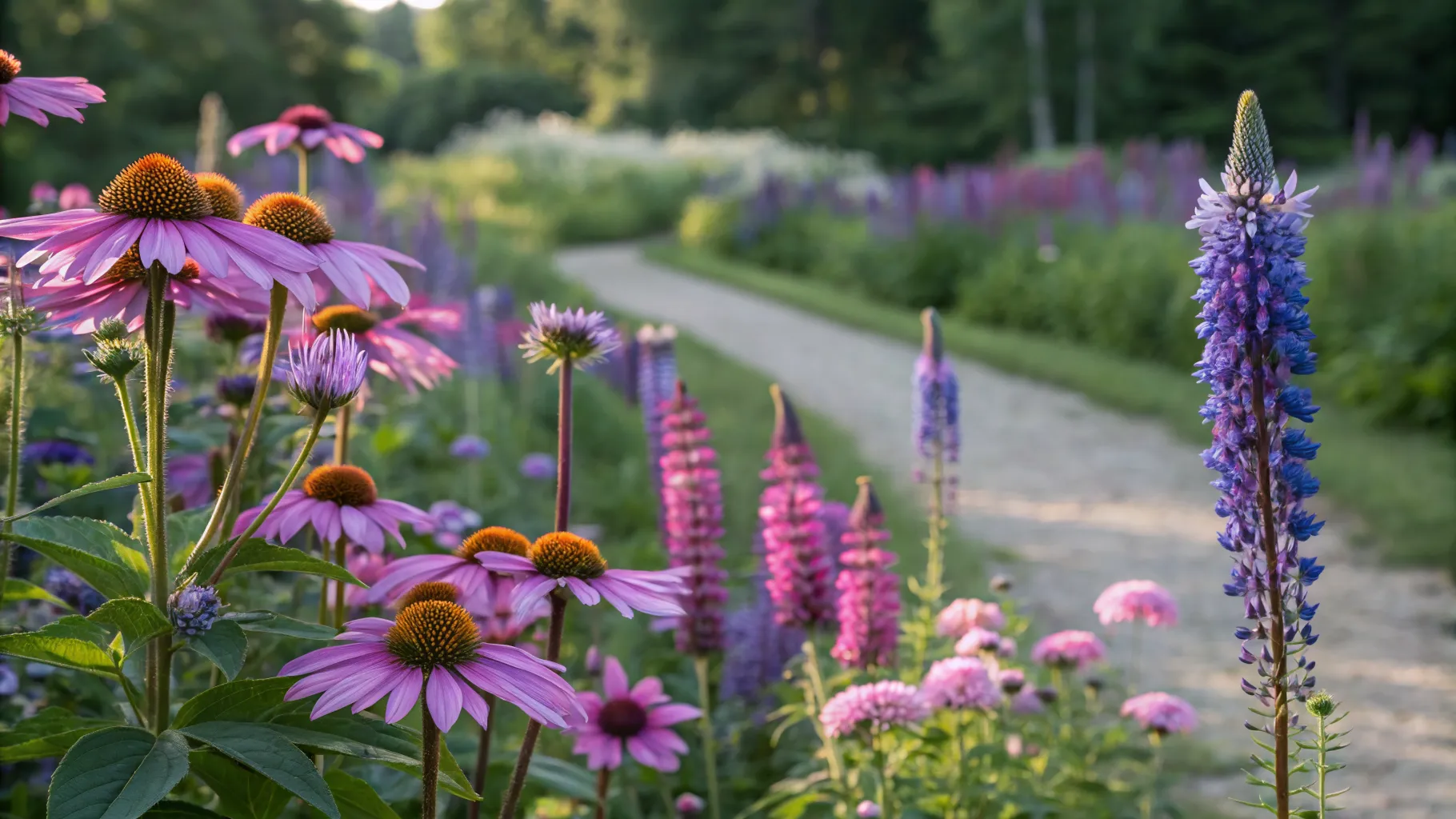
Coneflowers are a quintessential choice for any sunny garden. Known for their distinctive, daisy-like petals that surround a prominent central cone, they are not only beautiful but also incredibly tough. These long blooming perennials flower from mid-summer until the first frost, providing a consistent source of color. They are drought-tolerant once established and are a magnet for bees and butterflies. Purple coneflower is the classic variety, but you can find them in shades of pink, white, yellow, and orange.
Peony (Paeonia)
Peonies are renowned for their large, fragrant, and incredibly lush blossoms that appear in late spring and early summer. These perennial flowers are exceptionally long-lived, with some plants known to thrive for over a century. While their bloom time is shorter than some other perennials, the sheer spectacle of their flowers makes them one of the most popular perennials. They prefer full sun and well-drained soil and require very little care once they are established in your garden.
Daylily (Hemerocallis)
If you're looking for one of the most adaptable and easy-to-grow garden perennials, the daylily is an outstanding option. Each flower lasts for only a single day, but a single plant produces a succession of blooms over several weeks. Modern cultivars have been bred for reblooming, extending their season significantly. Daylilies come in nearly every color imaginable and can tolerate a wide variety of soil conditions, from clay to sand, making them a workhorse among perennial garden plants.
Hostas
While many perennials are prized for their flowers, Hostas are celebrated for their stunning foliage. They are the perfect solution for shady areas of the garden where other plants might struggle. Hostas offer a vast array of leaf colors, sizes, and textures, from deep blue-greens to vibrant chartreuses and variegated patterns. They produce spikes of lavender or white flowers in the summer, but it is their mound-forming leaves that truly define them as one of the most popular perennials for adding structure and texture to a shade garden.
Black-Eyed Susan (Rudbeckia)
For a cheerful and reliable splash of golden-yellow, Black-Eyed Susans are a must-have. These native North American wildflowers are incredibly low-maintenance and provide a burst of color from mid-summer through fall. They are excellent long blooming perennials that readily self-seed, creating beautiful drifts of color over time. Their classic sunny appearance makes them a staple in cottage gardens, wildflower meadows, and traditional borders, solidifying their status as popular perennial flowers.
Sun-Loving vs. Shade-Tolerant Perennial Flowers
Understanding the light requirements of your plants is crucial for a successful garden. The most popular perennials can be broadly categorized by their need for sun. Sun-loving plants like Coneflowers, Daylilies, and Black-Eyed Susans require at least six hours of direct sunlight per day to thrive and produce abundant blooms. They are perfect for open garden beds and borders. In contrast, shade-tolerant garden perennials like Hostas, Astilbe, and Ferns flourish in areas with filtered light or morning sun only. Planting the right perennial garden plants in the right location ensures they will be healthy, vigorous, and display their best colors and forms without struggling against their natural preferences.
Tips for a Thriving Perennial Garden
A successful garden of perennial flowers goes beyond just planting. Proper care and maintenance will ensure your plants return stronger each year. Follow these tips to help your garden thrive:
- Soil Preparation: Before planting, amend your soil with compost or other organic matter. Good drainage is key for most garden perennials, as waterlogged roots can lead to rot. A healthy soil structure provides the nutrients your plants need to establish strong root systems.
- Watering Wisely: New plants need consistent watering to get established. Once mature, most long blooming perennials are quite drought-tolerant. Water deeply but infrequently to encourage deep root growth, which makes plants more resilient during dry spells.
- Deadheading and Pruning: Deadheading, or removing spent flowers, encourages many perennial flowers to produce more blooms and extends their flowering season. It also keeps the plants looking tidy. Some perennials benefit from a light shearing after their first flush of blooms to promote a second wave of flowers.
- Dividing Plants: Every few years, it's a good idea to divide overgrown clumps of perennials like Hostas and Daylilies. This rejuvenates the plant, controls its size, and provides you with new plants to expand your garden or share with friends.
Frequently Asked Questions
What are the easiest perennial flowers for beginners?
For those new to gardening, some of the easiest and most forgiving perennial flowers include Daylilies (Hemerocallis), Hostas, and Coneflowers (Echinacea). These plants are adaptable to various soil types, are relatively drought-tolerant once established, and are not typically bothered by pests or diseases.
How do I ensure I have long blooming perennials all season?
To achieve continuous color, select a variety of long blooming perennials with different bloom times. Combine early spring bloomers like Peonies with mid-summer stars like Black-Eyed Susans and late-season bloomers like Sedum 'Autumn Joy'. This layered approach ensures there is always something in flower in your garden from spring until frost.
What makes a plant one of the most popular perennials?
A plant usually becomes one of the most popular perennials due to a combination of factors. These typically include exceptional beauty (striking flowers or foliage), reliability and hardiness across different climates, low maintenance requirements, a long blooming period, and resistance to common pests and diseases. They are the plants that consistently deliver great results for the average gardener.
References
- The Gardener's Encyclopedia of Plants and Flowers
- National Gardening Association Publications
- University Extension Office Horticulture Guides
- Royal Horticultural Society Journals