Discover the Most Popular Perennials for a Stunning Garden
Facts:
- The term "perennial" literally means "through the years".
- A key garden trend is using long blooming perennials for continuous color.
Choosing the Right Perennials for Year-Round Beauty
Creating a vibrant, enduring garden is a goal for many homeowners, and the secret often lies in selecting the right plants. This is where the magic of perennial flowers comes into play. Unlike annuals, which last for only one season, these resilient plants return year after year, growing stronger and more beautiful over time. Investing in the most popular perennials means you are building a garden foundation that provides reliable color, texture, and structure with less annual effort. This guide will walk you through the top choices that thrive in various conditions, ensuring your outdoor space is a stunning retreat for years to come.
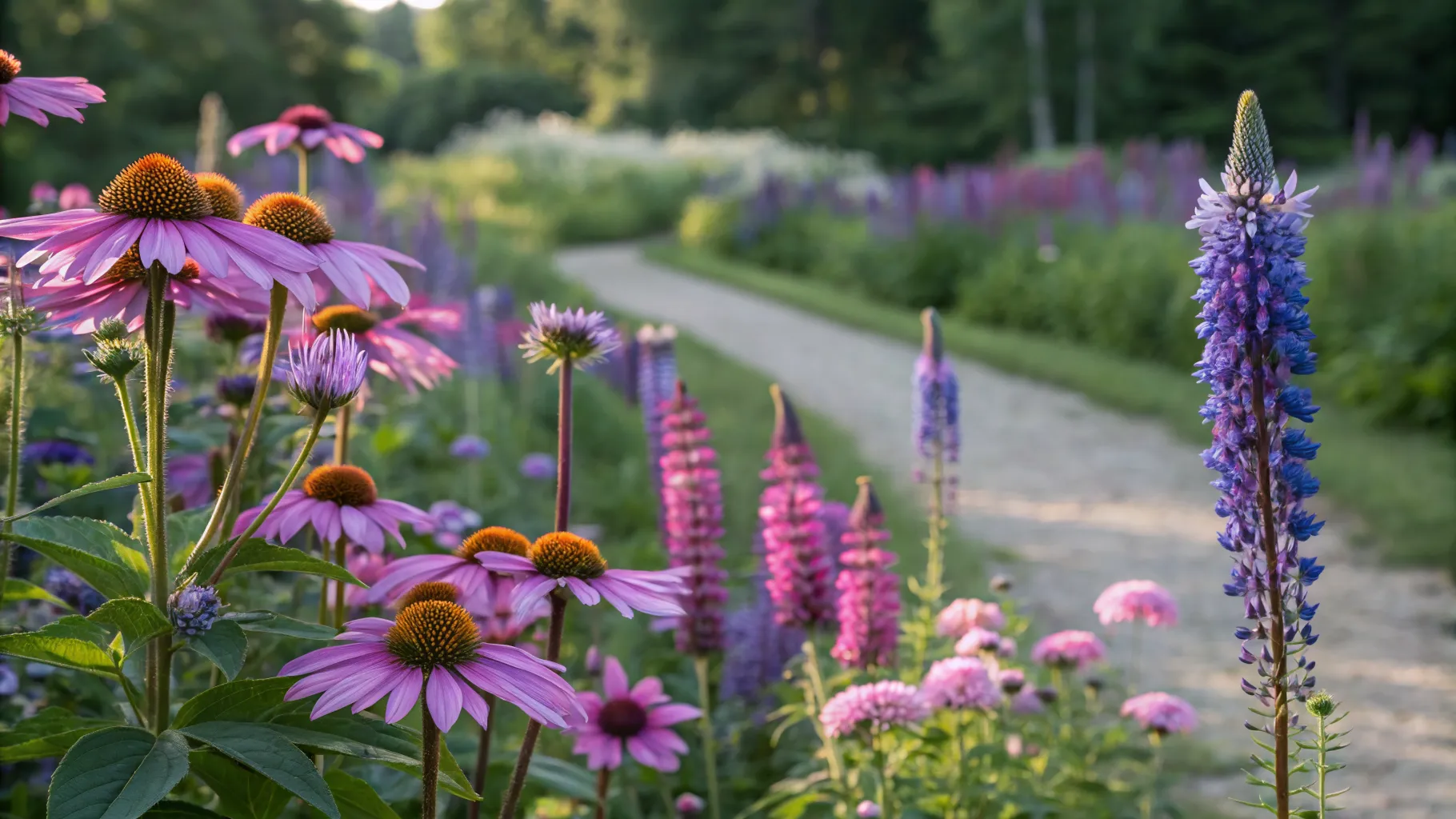
Top 10 Most Popular Perennials for Any Garden
When curating a list of the most popular perennials, several factors come into play: beauty, resilience, bloom time, and ease of care. These ten plants consistently rank as favorites among both novice and expert gardeners for their outstanding performance. They form the backbone of many stunning landscapes and offer a diverse range of colors, shapes, and sizes to fit any garden design.
Coneflower (Echinacea)
Coneflowers are an iconic American prairie plant celebrated for their daisy-like blooms and prominent central cone. They are exceptionally hardy, drought-tolerant, and attract a plethora of pollinators like bees and butterflies. Available in shades of purple, pink, white, and even orange, these garden perennials provide a long season of color from mid-summer until frost, making them a must-have for any sunny border.
Black-Eyed Susan (Rudbeckia)
With their cheerful golden-yellow petals and dark brown centers, Black-Eyed Susans are the embodiment of summer. These prolific bloomers are incredibly easy to grow and will readily self-seed, filling your garden with sunshine year after year. They are perfect perennial garden plants for creating a meadow-like feel and pair beautifully with other late-season bloomers.
Salvia
Salvia, particularly the 'May Night' and 'Caradonna' varieties, is prized for its spiky, deep violet-blue flowers that stand tall in the garden. These plants are magnets for hummingbirds and bees. As one of the premier long blooming perennials, Salvia often reblooms if deadheaded after its first flush, providing color from late spring through much of the summer.
Hosta
No shade garden is complete without the lush foliage of Hostas. While they do produce spikes of lavender or white flowers, Hostas are grown primarily for their stunning leaves, which come in a vast array of sizes, textures, and colors from deep green to chartreuse and variegated patterns. They are incredibly low-maintenance garden perennials for shady spots.
Daylily (Hemerocallis)
The ultimate easy-care perennial, Daylilies can tolerate a wide range of conditions, from full sun to part shade. Each flower lasts only a day, but a single plant produces an abundance of blooms over several weeks. Modern cultivars of these perennial flowers have been bred for extended bloom times and a rainbow of colors, ensuring there's a daylily for every garden.
Peony (Paeonia)
Peonies are renowned for their massive, fragrant, and romantic blooms in spring. These incredibly long-lived plants can thrive for decades with minimal care. Their lush, glossy foliage remains attractive all season long, making them excellent perennial garden plants for structure and spring drama. They are truly one of the most popular perennials for classic cottage gardens.
Russian Sage (Perovskia atriplicifolia)
For a touch of airy, silver-blue elegance, Russian Sage is unmatched. Its fine, silvery foliage and tall panicles of lavender-blue flowers create a cool, hazy effect in the mid-summer garden. It is extremely drought-tolerant and loves full sun, making it an excellent choice for hot, dry areas where other perennial flowers might struggle.
Catmint (Nepeta)
A true workhorse in the garden, Catmint offers billows of lavender-blue flowers for an exceptionally long period, often from late spring until fall. Its gray-green, fragrant foliage is deer and rabbit resistant. Nepeta is one of the best long blooming perennials for edging walkways or spilling over retaining walls, providing a soft, informal look.
Sedum (Stonecrop)
Autumn-blooming Sedums, like 'Autumn Joy', are invaluable for extending the garden season. Their succulent foliage looks good all year, and their large flower heads emerge in late summer, turning from pink to a rich, coppery red in the fall. They are incredibly tough garden perennials that thrive on neglect and are perfect for sunny, dry spots.
Phlox
Garden Phlox (Phlox paniculata) produces large, fragrant clusters of flowers in mid to late summer in a wide range of colors, including pink, purple, and white. It's a classic cottage garden plant that attracts butterflies. For a spring groundcover, Creeping Phlox (Phlox subulata) blankets the ground in a carpet of color, making it one of the most versatile perennial garden plants available.
Comparing Long Blooming Perennials vs. Short-Season Wonders
When planning a garden, it's crucial to understand the bloom cycle of your chosen plants. Long blooming perennials like Catmint and Salvia are invaluable for providing consistent color throughout the growing season. They act as the marathon runners of the garden, ensuring there's always something in flower. On the other hand, short-season wonders like Peonies and Irises provide a spectacular, high-impact show for a few weeks. The best garden designs incorporate both. The short-season bloomers create moments of peak excitement, while the long blooming perennials bridge the gaps between these shows, maintaining visual interest and providing a steady source of nectar for pollinators.
Essential Tips for a Thriving Perennial Garden
Maintaining a beautiful collection of garden perennials is straightforward with a few key practices. Following this advice will help your plants establish quickly and flourish for years, ensuring your garden remains a healthy and vibrant space.
- Soil Preparation: Most perennials thrive in well-drained soil rich in organic matter. Amend heavy clay or sandy soils with compost before planting to improve texture and fertility.
- Proper Spacing: Pay attention to the mature size of your perennial garden plants. Giving them adequate space from the start prevents overcrowding, improves air circulation, and reduces the risk of fungal diseases.
- Watering Wisely: Water new plants regularly to help them establish strong root systems. Once established, most most popular perennials are quite drought-tolerant, but will benefit from a deep watering during extended dry spells.
- Mulching: Apply a 2-3 inch layer of mulch around your plants to conserve moisture, suppress weeds, and regulate soil temperature. Keep mulch away from the plant's crown to prevent rot.
- Deadheading and Pruning: Removing spent flowers (deadheading) from many long blooming perennials encourages a second flush of blooms. Some plants may also benefit from a light shearing mid-season to promote bushier growth.
Frequently Asked Questions
What are the easiest perennial flowers to grow for beginners?
For beginners, some of the most forgiving and rewarding perennial flowers include Daylilies (Hemerocallis), Hostas (for shade), Coneflowers (Echinacea), and Black-Eyed Susans (Rudbeckia). These plants are adaptable to a wide range of conditions and require minimal maintenance once established.
How often do I need to divide my garden perennials?
Most garden perennials benefit from being divided every 3 to 5 years. You'll know it's time when the center of the clump starts to die out or the plant produces fewer flowers. Dividing rejuvenates the plant and is a great way to get more plants for free.
Which are the best long blooming perennials for full sun?
Some of the top-performing long blooming perennials for full sun include Catmint (Nepeta), Salvia, Coneflower (Echinacea), and Coreopsis. These sun-lovers provide a continuous display of color from late spring through fall with very little fuss.
References
- The Royal Horticultural Society Plant Guides
- University Extension Office Gardening Publications
- Perennial Plant Association Archives
- National Gardening Association Resources