Mobility Aids for Seniors Enhancing Independence at Home
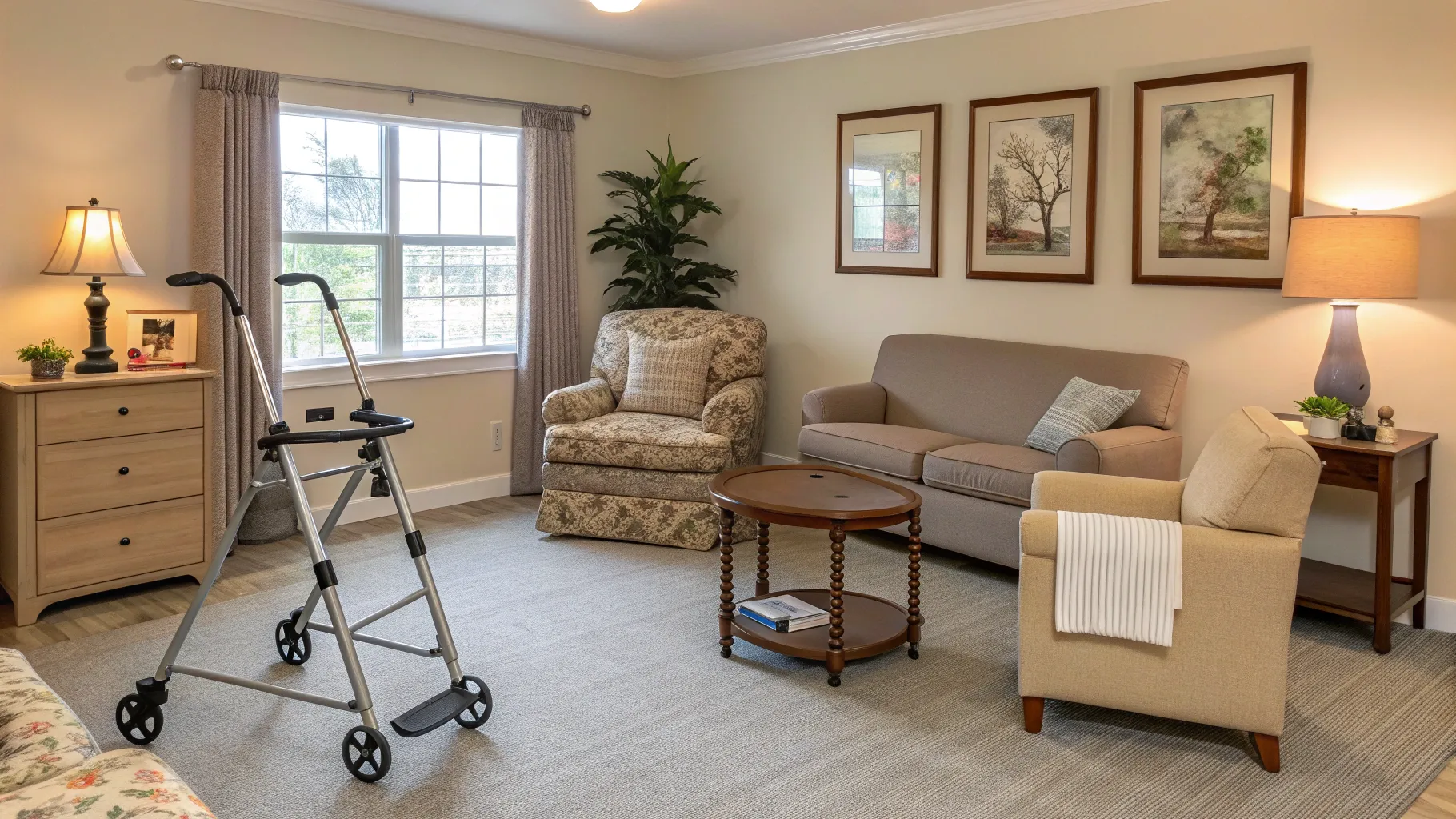
Mobility Aids That Support Seniors at Home Explained
As we age, maintaining independence within the comfort of our own homes becomes increasingly important. Mobility aids play a significant role in this. They are designed not only to assist seniors in navigating their living spaces but also to enhance their overall quality of life. This article delves into various mobility aids that support seniors at home, highlighting their purposes, benefits, and practical applications within daily living.
What to Know About Home Mobility Devices for Older Adults
Understanding the landscape of home mobility devices is crucial for older adults and their families. Here are the key points to consider:
- Types of Mobility Aids: Mobility aids range from simple tools, like canes and walkers, to more complex devices, like powered scooters and stairlifts. Each type serves a specific purpose and caters to different mobility challenges.
- Safety Features: Many modern mobility aids come equipped with safety features, such as anti-slip grips and stability support, making them safer choices for elderly users.
- Installation and Maintenance: Some aids, like grab bars or wheelchair ramps, require installation. Ensure proper installation to maximize safety and effectiveness. Regular maintenance checks can prolong the lifespan of these devices.
- Personalization: Mobility aids can often be personalized to suit individual needs. For example, adjustable walkers can accommodate various heights, and scooters can be customized with accessories.
Examples of Common Mobility Aids for Daily Living
There are several common mobility aids that can make daily activities easier for seniors. Here are a few:
1. Walkers
Walkers are one of the most popular mobility devices among seniors. They provide additional support and stability while walking. With a variety of types available, including standard walkers, rollators with wheels, and seated walkers, seniors can choose what best fulfills their needs. According to recent studies, the use of walkers can often reduce fall rates among seniors by up to 45%.
2. Canes
Canes offer a simpler solution for those who need just a little extra balance. They are lightweight and portable, making them easy to use at home or on the go. To maximize their effectiveness, users are encouraged to choose the correct height and grip type.
3. Mobility Scooters
For seniors with limited endurance or long-distance mobility challenges, mobility scooters are excellent options. They provide a comfortable means to travel longer distances, both indoors and outdoors. Recent trends show that the use of mobility scooters has increased by 30 percent within the last year, reflecting the growing awareness of accessible options available to seniors.
4. Stairlifts
Stairlifts can significantly enhance mobility in multi-level homes by enabling seniors to navigate stairs comfortably and safely. These devices can be installed on various stair types and are often customizable to fit individual needs. The technology has advanced tremendously, with newer models offering smooth rides and enhanced safety features, such as seat belts and sensors that prevent collisions.
5. Grab Bars
Installing grab bars in key areas of the home—like bathrooms and staircases—can provide crucial support. They allow seniors to move more freely and safely, reducing the risk of falls. A survey conducted earlier this year found that homes with safety features like grab bars had a 20% lower incidence of accidents among elderly residents.
Educational Guide to Accessibility Tools for Seniors
Accessibility tools and mobility aids can be daunting, especially with all the options available. Here are a few tips to help navigate this space:
- Assess Individual Needs: Each person has unique mobility challenges. A thorough assessment can help determine which aids are required for safety and comfort.
- Consult Healthcare Professionals: Always consult with a doctor or physical therapist who can recommend appropriate mobility devices suited to the individual’s health status.
- Trial and Error: Don’t hesitate to try different options before making a purchase. Many facilities offer rental programs that allow seniors to test mobility aids.
How Seniors Use Mobility Aids to Improve Independence at Home
The primary goal of mobility aids is to enhance independence for seniors. Studies indicate that when seniors utilize these devices, they experience a 70% increase in daily activities, enhancing their engagement with family and friends and improving their overall well-being. Here’s how these tools contribute:
First, mobility aids can help seniors complete daily activities like cooking, cleaning, or simply moving through their homes with increased confidence. For example, a senior using a rollator can walk to their kitchen unaided, preparing meals and participating in family gatherings—something that may have felt daunting before.
Second, these devices encourage physical activity. Even the simplest aids like canes or walkers promote mobility, allowing seniors to move about their homes and engage in light exercises, which are critical for their health.
Lastly, mobility aids foster social interaction. Seniors who can navigate their homes more readily often feel less isolated, leading to stronger connections with family and community. Many community centers offer classes and groups for seniors to engage in social activities, supporting mental and emotional health.
In conclusion, mobility aids serve as invaluable tools for seniors striving to maintain their independence at home. With the right devices, seniors can enjoy enhanced safety, increased mobility, and a better quality of life. Embracing these aids not only helps in daily living tasks but also revitalizes a sense of autonomy that is essential as we age.