Mobility Aids for Seniors
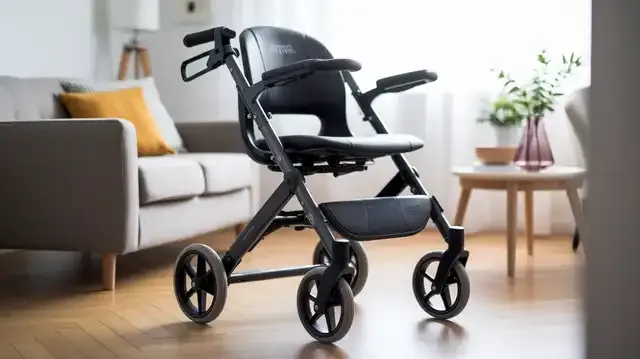
Understanding Mobility Aids for Elderly
Mobility aids are essential tools that enhance the independence and safety of the elderly in daily life. They come in various forms, each designed to cater to different needs and levels of mobility restriction.
For many seniors, the ability to move freely and independently can significantly impact their quality of life. With the help of mobility aids, daily tasks become less daunting and more manageable. Over recent years, the market for these aids has expanded, introducing innovative designs tailored to the needs of the elderly.
Mobility aids such as canes, walkers, and rollators are prime examples of how technological advances have made life easier for seniors. Each device serves a specific purpose, from providing support while walking to aiding in balance, reducing the risk of falls. A study conducted earlier this year revealed that approximately 50% of seniors aged 65 and older rely on some form of mobility aid.
Walking Assistance Devices
Walking assistance devices have evolved significantly. Traditional canes, though still in use, now include ergonomic grips and adjustable heights for comfort. Walkers, another popular option, provide more stability with their four-legged structure. An interesting trend in recent months has been the increased popularity of rollators, which are equipped with wheels and a seat, offering an ideal blend of support and convenience for breaks during extended walks.
Moreover, societal trends indicate a growing preference for devices that are not only functional but also aesthetically pleasing. Manufacturers now offer a range of colors and styles, appealing to seniors who are keen on maintaining a sense of style while ensuring safety and comfort.
- Canes: Ideal for mild balance issues, canes are simple yet effective aids for additional support.
- Walkers: Perfect for those needing more support, these are great for balance and stability.
- Rollators: These come with wheels and a seat, offering mobility support and a rest option.
Home Mobility Equipment: Enhancing Daily Living
Home mobility equipment is another crucial aspect of elderly care. These devices enable seniors to perform daily tasks independently, reducing the need for constant assistance. Stair lifts, for instance, have seen technological advancements, offering quieter and more efficient operation.
Bathroom safety equipment is another area where innovation is visible. The installation of grab bars and shower benches has become common practice, providing stability in an environment prone to slips and falls. In the past six months, the adoption of these safety aids has increased by 20%, according to a recent survey.
Kitchen aids, like easy-grip utensils and jar openers, enable seniors to cook and prepare meals without needing help. This not only fosters independence but also allows seniors to engage in an enjoyable daily activity.
Furthermore, advancements in emergency response systems have allowed seniors to maintain peace of mind while living alone. Wearable devices that automatically detect falls and alert emergency services have been life-saving for many seniors. Recent case studies have documented numerous instances where these devices have prevented potentially severe injuries.
To sum up, investing in the right mobility aids can dramatically improve the quality of life for seniors, allowing them to enjoy their independence while ensuring their safety. As the industry continues to expand and innovate, the options available become even more diverse, catering to a wide range of needs.