Mesothelioma Symptoms and Treatments: A Comprehensive Guide
Facts:
- Mesothelioma is a rare cancer caused by asbestos exposure.
- Early diagnosis significantly improves outcomes for mesothelioma patients.
Understanding the Early Warning Signs and Advanced Therapies
Mesothelioma is a rare and aggressive form of cancer primarily caused by exposure to asbestos fibers. Recognizing the initial mesothelioma symptoms is crucial for an early diagnosis and for accessing the most effective mesothelioma treatment options available. This guide provides a comprehensive overview of what you need to know, from identifying the first signs to understanding the complex therapeutic landscape. A timely mesothelioma diagnosis can open the door to advanced treatments that may improve prognosis and quality of life. Understanding the full spectrum of asbestos cancer symptoms is the first step toward taking control of the situation and making informed decisions about care.
Identifying Common Mesothelioma Symptoms
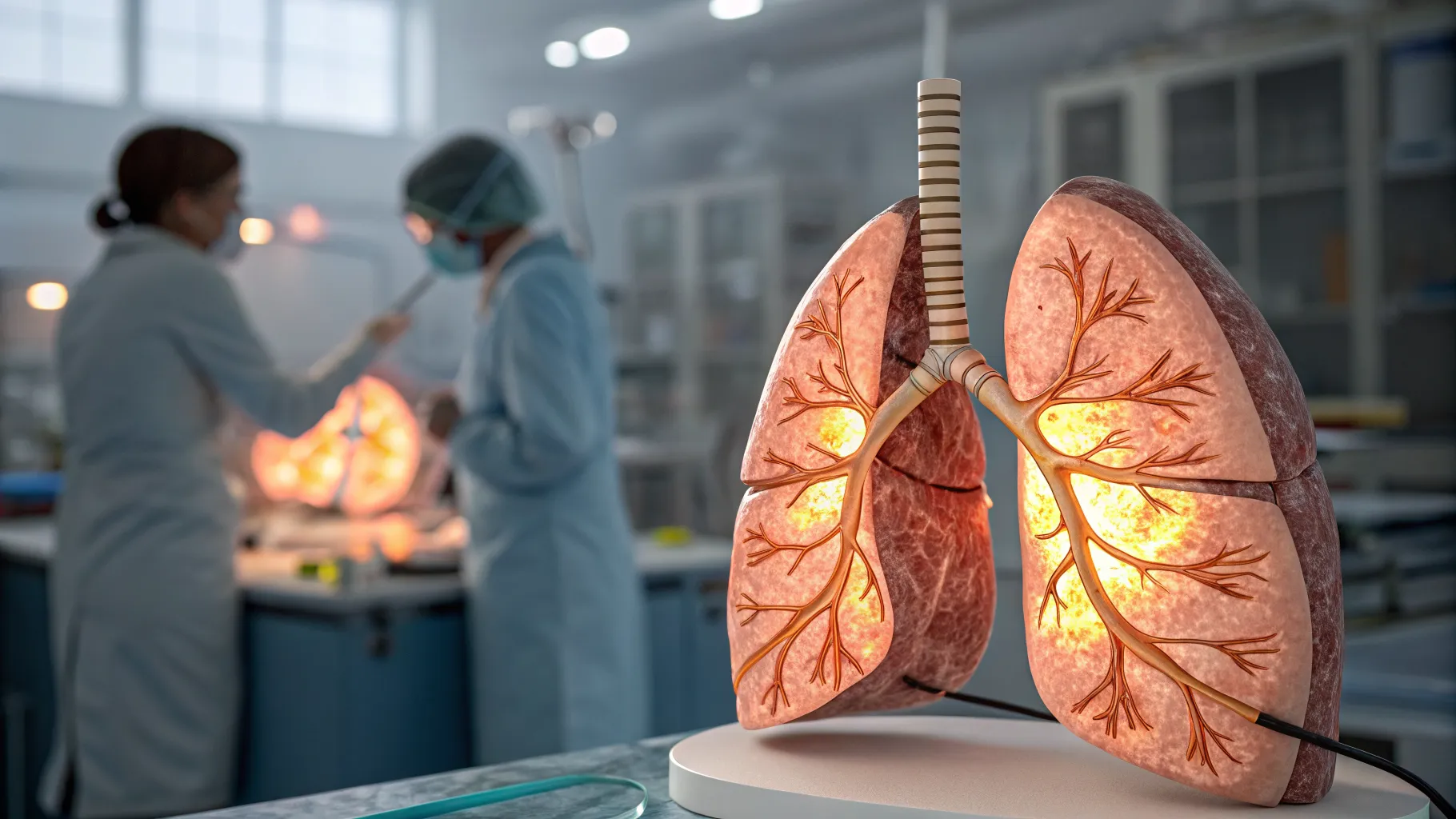
The signs of this disease can be subtle and often mimic less serious conditions, leading to delays in seeking medical help. The specific mesothelioma symptoms a person experiences largely depend on where the cancer is located. The most common type is pleural mesothelioma, which forms in the lining of the lungs (pleura), but it can also occur in the lining of the abdomen (peritoneum) or other organs. It is essential to be aware of these persistent symptoms, especially if there is a known history of asbestos exposure.
Pleural Mesothelioma Symptoms (Affecting the Lungs)
When tumors grow on the pleura, they can cause a buildup of fluid in the chest cavity, a condition known as pleural effusion. This puts pressure on the lungs, leading to a distinct set of asbestos cancer symptoms. These include persistent shortness of breath (dyspnea), chest pain under the rib cage, a dry, nagging cough, unexplained weight loss, and unusual lumps of tissue under the skin on the chest. Fatigue and fever are also common general symptoms that accompany this condition.
Peritoneal Mesothelioma Symptoms (Affecting the Abdomen)
This form of mesothelioma develops in the peritoneum, the lining of the abdominal cavity. The symptoms are often related to tumor growth and fluid buildup in the abdomen (ascites). Patients may experience abdominal pain, swelling or bloating of the abdomen, nausea, and changes in bowel habits such as constipation or diarrhea. Similar to the pleural type, significant and unexplained weight loss is a key warning sign among these specific mesothelioma symptoms.
The Path to a Mesothelioma Diagnosis
Obtaining an accurate mesothelioma diagnosis is a multi-step process that begins with a thorough physical examination and a review of the patient's medical and work history, particularly any potential asbestos exposure. If mesothelioma is suspected, a doctor will order imaging tests like X-rays, CT scans, or PET scans to look for tumors or fluid buildup. However, these tests cannot definitively confirm the disease. The only way to achieve a conclusive mesothelioma diagnosis is through a biopsy, where a small tissue sample is removed from the affected area and examined under a microscope by a pathologist. This tissue analysis confirms the presence of cancer cells and determines the specific cell type, which is critical for planning the most effective mesothelioma therapy.
Exploring Modern Mesothelioma Treatment Options
Once a diagnosis is confirmed, a team of specialists will develop a personalized treatment plan. The available mesothelioma treatment options depend on factors like the cancer's stage, location, cell type, and the patient's overall health. The standard approach is often multimodal, meaning it combines two or more therapies to achieve the best possible outcome. Traditional treatments include surgery to remove as much of the tumor as possible, chemotherapy to kill cancer cells throughout the body, and radiation therapy to target and destroy localized cancer cells. Each of these core mesothelioma treatment options comes with its own set of benefits and potential side effects that must be carefully considered.
Innovative and Emerging Mesothelioma Therapy Approaches
The field of oncology is constantly evolving, and new forms of mesothelioma therapy are offering hope to patients. Immunotherapy, which helps the body's own immune system fight cancer, has shown significant promise and is now a frontline treatment for some patients. Targeted therapy is another innovative approach that uses drugs to attack specific vulnerabilities in cancer cells, often with fewer side effects than traditional chemotherapy. Patients may also consider enrolling in clinical trials, which provide access to cutting-edge treatments that are not yet widely available. These emerging therapies represent the future of care and are expanding the range of effective mesothelioma treatment options.
How to Manage Symptoms and Side Effects of Treatment
Living with mesothelioma and undergoing treatment can be challenging. Palliative care, which focuses on providing relief from symptoms and stress, is an essential part of the treatment journey. Here are some actionable steps to manage the condition and treatment side effects:
- Pain Management: Work closely with your medical team to develop a pain control plan. This can include medications, nerve blocks, or other procedures. Communicating your pain levels is crucial for effective management.
- Breathing Support: For pleural mesothelioma, procedures like thoracentesis can drain fluid from the chest to relieve pressure and improve breathing. Oxygen therapy and breathing exercises can also help manage shortness of breath.
- Nutritional Guidance: Cancer and its treatments can affect your appetite and lead to weight loss. Consulting with a dietitian can help you maintain your strength and weight with a tailored nutrition plan.
- Emotional and Mental Health Support: A diagnosis of mesothelioma can be emotionally overwhelming. Seeking support from counselors, support groups, or therapists can help you and your family cope with the psychological stress of the disease.
Frequently Asked Questions
What are the earliest asbestos cancer symptoms?
The earliest asbestos cancer symptoms are often mild and can be mistaken for common respiratory or gastrointestinal issues. For pleural mesothelioma, this may include a persistent dry cough, shortness of breath during physical activity, or mild chest pain. For peritoneal mesothelioma, early signs might be slight abdominal bloating or a vague sense of discomfort.
How is a definitive mesothelioma diagnosis made?
A definitive mesothelioma diagnosis can only be made through a biopsy. While imaging scans can identify suspicious areas, a pathologist must examine a tissue sample of the tumor to confirm the presence and type of mesothelioma cells. This is the gold standard for diagnosis.
Are there mesothelioma treatment options that can cure the disease?
Currently, a complete cure for mesothelioma is very rare, especially in its later stages. However, modern mesothelioma treatment options, particularly multimodal approaches combining surgery, chemotherapy, and immunotherapy, can significantly extend life expectancy and improve the quality of life for many patients. The goal of treatment is often to manage the cancer as a chronic disease.
References
- American Cancer Society - Mesothelioma Information
- National Cancer Institute - Mesothelioma Patient Guide
- Mesothelioma Applied Research Foundation Publications
- Asbestos Disease Awareness Organization (ADAO)