Mesothelioma Symptoms and Treatments: A Comprehensive Guide
Facts:
- Mesothelioma is primarily caused by asbestos exposure.
- Survival rates are improving with new mesothelioma therapy innovations.
Understanding the Signs and Pathways to Recovery
Receiving a diagnosis of malignant mesothelioma can be overwhelming, but understanding the disease is the first step toward managing it. This rare and aggressive cancer is almost exclusively linked to asbestos exposure, affecting the thin lining of tissues surrounding internal organs, most commonly the lungs. Recognizing the initial mesothelioma symptoms is crucial for early intervention, which can significantly impact the effectiveness of various mesothelioma treatment options. This guide will provide a comprehensive overview of what to look for, how a diagnosis is reached, and the therapeutic avenues available to patients.
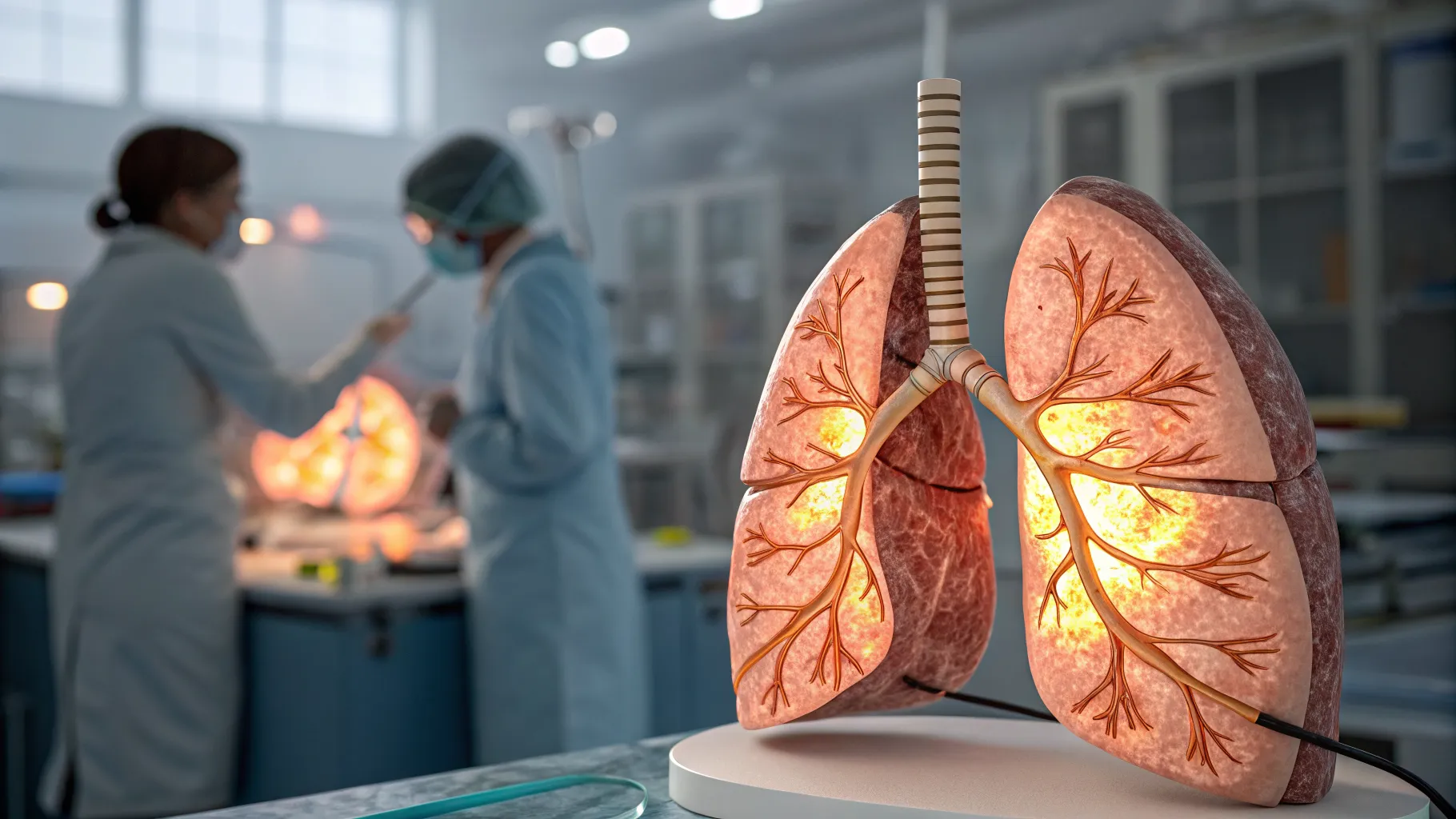
Recognizing Early and Advanced Mesothelioma Symptoms
The latency period for mesothelioma can be decades long, meaning asbestos cancer symptoms may not appear for 20 to 50 years after exposure. Early mesothelioma symptoms are often subtle and can be mistaken for more common, less serious ailments. These can include a persistent dry cough, shortness of breath (dyspnea), and unexplained pain in the chest or abdomen. As the disease progresses, these symptoms can become more severe and may be accompanied by weight loss, fever, fatigue, and difficulty swallowing. It is vital for individuals with a known history of asbestos exposure to be vigilant and report any of these signs to their doctor promptly for an accurate mesothelioma diagnosis.
The Process of Reaching a Mesothelioma Diagnosis
A definitive mesothelioma diagnosis is a multi-step process that begins with a thorough physical examination and a review of the patient's medical and exposure history. If mesothelioma is suspected, imaging tests like X-rays, CT scans, and PET scans are ordered to identify tumors or fluid buildup. However, the only way to confirm the diagnosis is through a biopsy. During a biopsy, a small sample of tissue is removed from the affected area and examined under a microscope by a pathologist. This procedure not only confirms the presence of cancer but also determines the cell type (epithelioid, sarcomatoid, or biphasic), which is critical for planning the most effective mesothelioma therapy.
Navigating Modern Mesothelioma Treatment Options
The landscape of mesothelioma treatment options has evolved significantly, offering more hope to patients than ever before. Treatment is typically multimodal, meaning a combination of therapies is used to achieve the best outcome. The standard approaches include surgery, chemotherapy, and radiation therapy. Surgery aims to remove as much of the tumor as possible. Chemotherapy uses powerful drugs to kill cancer cells throughout the body, while radiation therapy uses high-energy rays to target and destroy cancer cells in a specific area. The choice of treatment depends heavily on the stage of the cancer, its location, the cell type, and the patient's overall health. Each patient's plan for mesothelioma therapy is highly personalized.
Choosing the Right Mesothelioma Therapy for You
Making informed decisions is paramount when confronting this disease. When exploring your mesothelioma treatment options, it is essential to work with a team of specialists who have experience with this specific cancer. Here are key steps to consider:
- Seek a Second Opinion: Given the rarity of mesothelioma, getting a second opinion from a specialist at a dedicated cancer center can confirm your mesothelioma diagnosis and provide new perspectives on treatment.
- Discuss Clinical Trials: Ask your doctor about clinical trials. These research studies test new treatments, such as immunotherapy and targeted therapy, which may offer significant advantages over standard care for some patients.
- Consider Palliative Care: Palliative care focuses on relieving mesothelioma symptoms and improving quality of life. It can be administered alongside curative treatments at any stage of the disease.
- Understand the Goals of Each Therapy: Clearly understand whether the goal of a proposed mesothelioma therapy is curative (to eliminate the cancer) or palliative (to manage symptoms and extend life). This helps set realistic expectations.
Frequently Asked Questions
What are the most common mesothelioma symptoms?
The most common mesothelioma symptoms include shortness of breath, chest pain, a persistent cough, and unexplained weight loss. Depending on the location of the cancer, abdominal pain and swelling can also occur. These are often considered key asbestos cancer symptoms.
How is a mesothelioma diagnosis confirmed?
While imaging scans can suggest the presence of mesothelioma, a definitive mesothelioma diagnosis is only confirmed through a biopsy, where a tissue sample is examined by a pathologist to identify cancerous cells.
What are the primary mesothelioma treatment options?
The main mesothelioma treatment options are surgery, chemotherapy, and radiation therapy, often used in combination. Newer treatments like immunotherapy are also becoming more common as a form of advanced mesothelioma therapy.
References
- National Cancer Institute
- American Cancer Society
- Mesothelioma Applied Research Foundation
- Asbestos Disease Awareness Organization