Mastering Your Male Pelvic Floor Trainer: A Comprehensive Guide to Pelvic Health
Facts:
- Pelvic floor muscle strength supports bladder control.
- Growing awareness of male pelvic health for better quality of life.
Understanding the Essentials of Male Pelvic Floor Trainers
Operating male pelvic floor trainers effectively is a vital step toward enhancing overall pelvic health and addressing various concerns such as urinary incontinence, erectile dysfunction, and even lower back pain. These specialized devices are designed to help men identify, isolate, and strengthen the muscles of their pelvic floor, often referred to as the pubococcygeus muscles. Unlike traditional freehand Kegel exercises for men, trainers provide biofeedback or resistance, making the practice more targeted and measurable. This guided approach ensures that users are activating the correct muscles, preventing compensatory movements from other muscle groups like the abs or glutes, which can render exercises ineffective. A deep understanding of how these devices work and the anatomy of the urogenital diaphragm is crucial for maximizing their benefits and achieving sustainable improvements in pelvic function and quality of life.
Choosing the Right Male Pelvic Floor Trainer for You
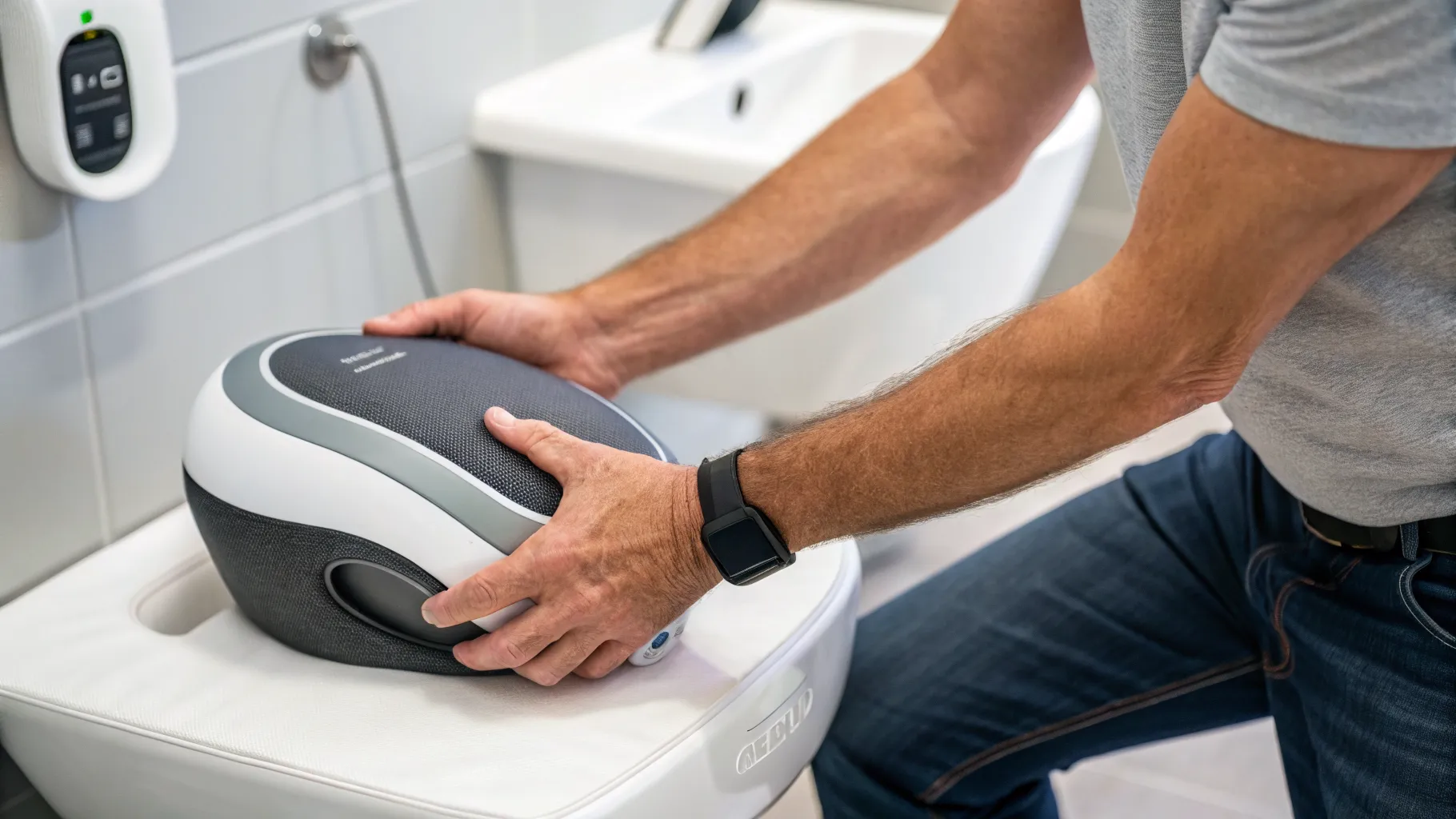
Selecting the appropriate male pelvic floor trainer is paramount for a successful training regimen. The market offers a range of options, each with unique features and mechanisms. Some trainers utilize biofeedback technology, often connecting to a smartphone app, which provides real-time data on muscle contractions, intensity, and duration. This visual feedback is invaluable for learning proper technique and tracking progress over time. Other trainers are weighted devices, designed to provide resistance that builds strength similar to how weights are used in traditional gym workouts. Manual trainers, while simpler, still offer guidance through tactile feedback. When making your choice, consider your specific needs, comfort level, and budget. It is often beneficial to consult with a healthcare professional or a physical therapist specializing in pelvic health to determine the most suitable type of trainer for your individual circumstances. Factors like the device's material, ease of cleaning, and discreetness for regular use should also be weighed, ensuring that the chosen trainer aligns with your lifestyle and encourages consistent engagement with your pelvic floor exercises.
Step-by-Step Guide to Operating Your Pelvic Floor Trainer
Operating a male pelvic floor trainer correctly is key to achieving optimal results and ensuring your efforts are productive. First, read your device's specific instructions thoroughly, as features can vary. Generally, the process begins with proper hygiene: ensure both you and the device are clean. Next, find a comfortable and private position, typically lying down or semi-reclined, where you can focus without distraction. Insert the trainer according to its design – some are external, placed against the perineum, while others might involve internal insertion. The critical step is to identify your pelvic floor muscles. Imagine stopping the flow of urine or preventing yourself from passing gas. This sensation isolates the muscles of your urogenital diaphragm. Once identified, gently contract these muscles around the trainer, holding the contraction for a few seconds (as recommended by your device or therapist) and then fully relaxing. It's crucial not to clench your buttocks, thighs, or abdominal muscles; the focus must remain solely on the pelvic floor. Many trainers provide visual or auditory feedback, guiding you through the intensity and duration of each Kegel exercise for men. Consistency and correct form are far more important than intensity when starting, gradually increasing the challenge as your strength improves. Adhering to a structured routine will significantly enhance your pelvic health over time.
Common Mistakes and How to Avoid Them in Pelvic Floor Exercises
Even with a dedicated male pelvic floor trainer, common mistakes can hinder progress and reduce the effectiveness of your pelvic floor exercises. One of the most frequent errors is using accessory muscles such as the glutes, abs, or inner thighs instead of isolating the pelvic floor. This not only makes the exercises ineffective but can also lead to strain or discomfort. To avoid this, pay close attention to the sensation during contraction and relaxation; if you feel tension elsewhere, reset and try again with a lighter squeeze. Another mistake is breath-holding. Proper breathing, typically exhaling during contraction and inhaling during relaxation, is essential for optimal muscle function and preventing unnecessary pressure. Overdoing it in the beginning is also a common pitfall; starting with too many repetitions or too long contractions can lead to muscle fatigue and discourage consistency. Begin with shorter sessions and fewer repetitions, gradually increasing as your strength and endurance improve. Finally, neglecting the relaxation phase is a significant error. Full relaxation after each contraction is as important as the contraction itself, allowing muscles to recover and preventing chronic tension. A mindful approach to each Kegel exercise for men, combined with the biofeedback from your trainer, will help you avoid these pitfalls and maximize your journey to improved pelvic health.
Integrating Pelvic Floor Training into Your Daily Routine
Making pelvic floor training a consistent part of your daily life is crucial for long-term success and maintaining optimal pelvic health. Rather than viewing it as a chore, try to integrate the use of your male pelvic floor trainer into existing habits. For example, you might perform your pelvic floor exercises while brushing your teeth, during your morning coffee, or while watching television. The key is finding a time and place where you can consistently dedicate a few minutes without interruption. Many modern trainers come with apps that offer reminders and track your progress, making it easier to stay accountable. Starting with short, manageable sessions – perhaps 5-10 minutes, three times a week – can build momentum without feeling overwhelming. As your pelvic floor strength improves and you become more comfortable with your trainer, you can gradually increase the duration or frequency. Remember that consistency is more important than intensity in the initial stages. Regular engagement ensures that the muscles of your urogenital diaphragm remain strong and responsive, leading to sustained improvements in bladder control, sexual function, and overall well-being. By seamlessly weaving these exercises into your routine, you transform them from a temporary intervention into a lifelong habit for superior pelvic health.
Benefits Beyond the Bladder: Enhancing Pelvic Health and Well-being
While often associated with bladder control, the benefits of consistently using male pelvic floor trainers and performing pelvic floor exercises extend far beyond urinary continence. Strengthening the pelvic floor muscles contributes significantly to overall pelvic health, impacting various aspects of a man's life. For instance, a strong pelvic floor plays a crucial role in erectile function. By enhancing blood flow to the area and improving muscle control, Kegel exercises for men can lead to firmer erections and better ejaculatory control, thereby improving sexual health and confidence. Furthermore, these exercises can alleviate chronic pelvic pain, which can manifest as discomfort in the lower back, groin, or perineum. The pelvic floor muscles act as a support system for internal organs and contribute to core stability. A well-conditioned urogenital diaphragm can also improve posture and reduce strain on the spine. By proactively engaging in this specialized training, men can experience a holistic improvement in physical comfort, sexual well-being, and overall quality of life. This comprehensive approach to strengthening the pelvic floor underscores its importance not just as a treatment for specific issues, but as a foundational element of men's health.
Optimizing Your Results: Actionable Advice for Pelvic Floor Exercises
- Stay Hydrated: Ensure adequate water intake throughout the day, but avoid excessive caffeine or alcohol, which can irritate the bladder and counteract pelvic floor training efforts.
- Maintain a Healthy Weight: Excess abdominal fat can put additional pressure on the pelvic floor, making it harder for the muscles to function effectively. Weight management supports your pelvic health goals.
- Incorporate Core Strengthening: While isolating the pelvic floor is key, integrating gentle core exercises can provide synergistic benefits, improving overall stability and muscle coordination around the urogenital diaphragm.
- Practice Good Posture: Proper posture reduces strain on the pelvic floor muscles. Be mindful of how you sit and stand, aligning your spine to support optimal muscle function during pelvic floor exercises.
- Seek Professional Guidance: If you're unsure about technique or not seeing desired results, consult a physiotherapist specializing in pelvic health. They can provide personalized advice and ensure you're getting the most out of your male pelvic floor trainer.
- Listen to Your Body: Avoid overtraining. Pelvic floor muscles, like any other, need rest. Pay attention to signs of fatigue or discomfort and adjust your routine accordingly to prevent strain.
Frequently Asked Questions
How long until I see results from using a male pelvic floor trainer?
The timeline for seeing results can vary widely among individuals, but many men report noticeable improvements within 6-12 weeks of consistent and correct use of their male pelvic floor trainer. Factors such as the initial strength of your pelvic floor, the frequency and intensity of your pelvic floor exercises, and adherence to proper technique all play a role. Patience and consistency are key to achieving significant and lasting benefits for your pelvic health.
Are Kegel exercises for men different from women's?
While the underlying principle of contracting and relaxing the pelvic floor muscles is similar, the anatomical context for Kegel exercises for men differs slightly from women's. Men primarily focus on strengthening the muscles around the base of the penis and the anus, which support the bladder and aid in erectile function and continence. The trainers themselves may also have different designs to accommodate male anatomy. However, the goal for both genders remains the same: to improve the strength, endurance, and coordination of the pelvic floor for better pelvic health.
References
- National Institute of Diabetes and Digestive and Kidney Diseases. Pelvic Floor Muscle Exercises.
- American Physical Therapy Association. Pelvic Health Physical Therapy.
- International Continence Society. Guidelines for Male Pelvic Floor Muscle Training.