Managing Psoriasis Treatments with Effective Strategies
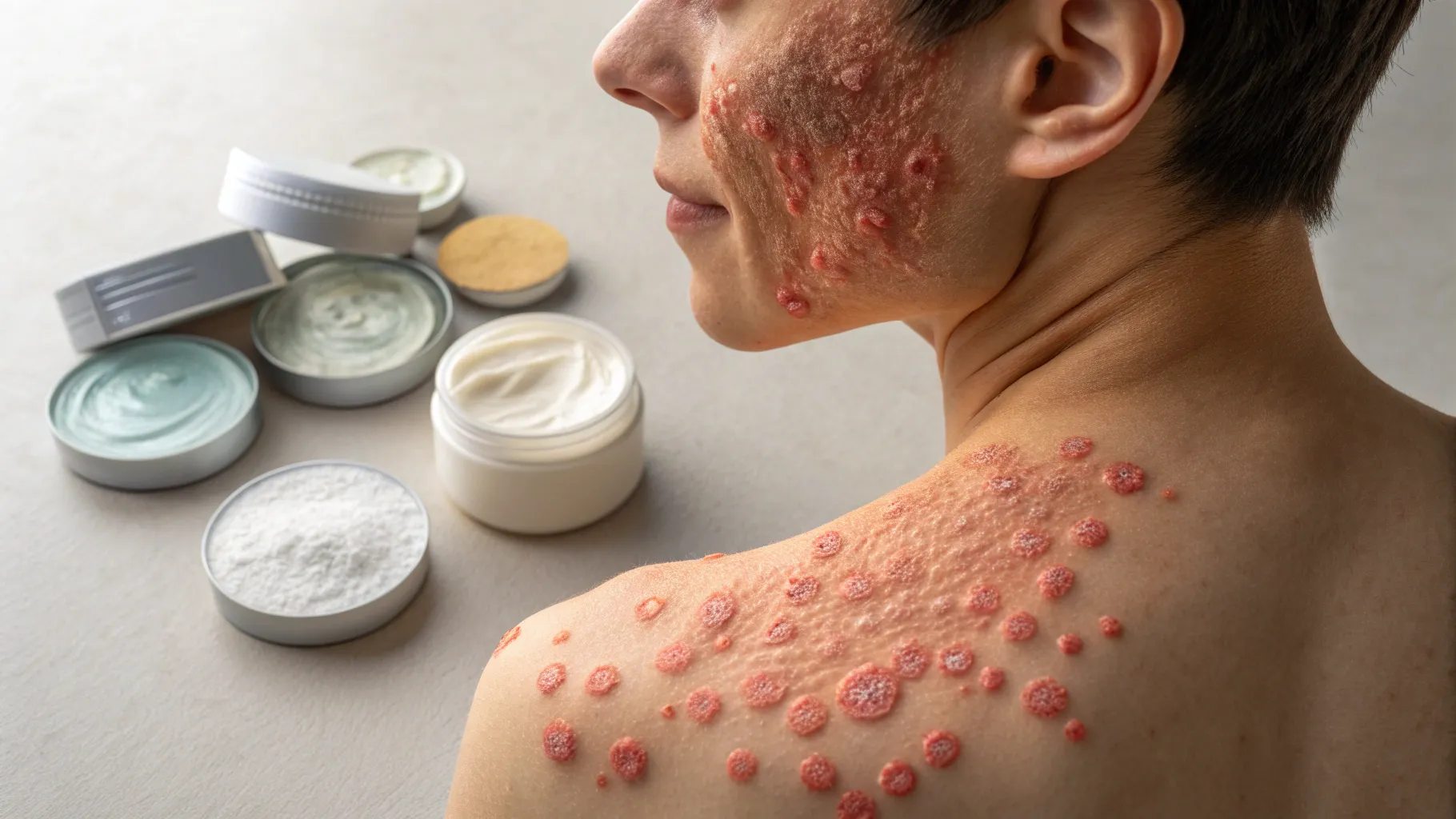
Understanding Psoriasis Treatments
Living with psoriasis can be a constant struggle. This common skin disorder, which affects around 2-3% of the world's population, can cause discomfort and emotional distress. Psoriasis often appears as red, flaky patches covered with silvery scales. However, effective management strategies are now available, allowing those affected by psoriasis to lead healthier and more fulfilling lives. It’s 2025, and advancements in treatment options mean a more tailored approach can be adopted, based on the severity and individual impact of the condition.
Medical Treatments for Psoriasis
- Topical Treatments: These creams and ointments are frequently the first line of defense against psoriasis. For instance, corticosteroids, vitamin D analogs, and retinoids have been staples in treating the condition. In recent years, newer topical options like calcineurin inhibitors and coal tar have gained attention for their efficacy. According to a study published in late 2024, nearly 70% of patients reported symptom relief when using a combination of topical therapies.
- Phototherapy: This treatment involves exposing the skin to ultraviolet (UV) light, monitored by medical professionals. Narrowband UVB therapy and PUVA (psoralen plus UVA) have become popular methods. Remarkably, many patients notice significant improvements within just 10 weeks of undergoing this therapy, making it a promising option.
- Systemic Medications: For those suffering from moderate to severe psoriasis that doesn't respond to topical treatments, systemic therapies may be necessary. These include oral medications such as methotrexate and biologic therapies like TNF-alpha inhibitors. Biologics, in particular, have gained traction due to their more targeted effects and fewer side effects. Recent statistics show that about 80% of patients see clinical improvements within six months of starting these medications.
Topical Creams for Psoriasis Management
Topical creams are essential in the ongoing battle against psoriasis, offering localized treatment that can significantly improve skin health. Here are some key options:
- Hydrocortisone Creams: These are popular for reducing both inflammation and itching. Regular application can make daily activities much more comfortable for those with psoriasis.
- Calcipotriene: As a vitamin D analog, calcipotriene aids in slowing down skin cell growth, which is crucial for controlling psoriasis flare-ups. Recent studies indicate that patients using this treatment have reported noticeable improvements in skin appearance and a decrease in scaling.
- Tazarotene: A topical retinoid, tazarotene helps normalize skin cell turnover. However, sensitive individuals should be cautious, as it can also produce irritation in some cases.
Interestingly, a survey conducted in January 2025 found that approximately 62% of respondents considered topical creams vital in their daily routines, highlighting the importance of balancing effective symptom control and skin integrity.
Lifestyle Changes for Psoriasis Management
While medical treatments are crucial, adopting lifestyle changes can have a profound impact on managing psoriasis. Here are some recommended strategies to consider:
- Diet: Nutrition plays a significant role in modulating inflammation. Embracing an anti-inflammatory diet—rich in Omega-3 fatty acids (found in fish like salmon and plant sources like flaxseeds), antioxidants, fruits, vegetables, and whole grains—could lead to better skin health. Notably, a survey from 2024 reported that 45% of participants with psoriasis experienced symptom improvements after dietary modifications.
- Stress Management: Stress is widely recognized as a trigger for psoriasis flare-ups. Practices such as yoga, meditation, and mindfulness can effectively help in managing stress levels, contributing to an overall reduction in skin symptoms.
- Regular Exercise: Staying active not only boosts general well-being but is also essential for weight management, which can affect psoriasis severity. A recent study from 2025 revealed that individuals who engaged in regular physical activity experienced a 30% reduction in psoriasis symptoms.
- Avoiding Triggers: It is important for sufferers to identify personal triggers such as extreme weather, alcohol, or certain medications. By avoiding these triggers, maintaining skin health becomes more manageable.
Non-Surgical Treatment for Psoriasis
Fortunately, most treatments for psoriasis are non-invasive. In fact, new options surfaced in 2025, improving the landscape for those looking to manage their symptoms more effectively:
- Injectable Biologics: These are often reserved for patients with moderate to severe cases. Biologics are designed to target specific components of the immune system, leading to effective relief. Innovative treatments released in late 2024 have yielded rapid responses with fewer side effects, offering hope to many suffering from severe psoriasis.
- Oral Treatments: The introduction of new oral therapies has enhanced treatment convenience considerably. Many of these medications can be taken weekly or even monthly, easing the burden of adherence that many patients experience with daily dosing.
Real-world case studies in early 2025 illustrate that patients started witnessing significant symptom relief shortly after beginning these treatments, underlining the necessity of personalized treatment plans and the importance of ongoing consultations with healthcare professionals.
Overall, effective psoriasis management is not solely reliant on medical treatments; instead, it comprises a holistic approach that combines professional guidance with personal commitment. By embracing cutting-edge therapies alongside vital lifestyle adaptations, individuals can navigate their psoriasis journey with greater confidence, ultimately leading to improved quality of life and enhanced skin health.